Laurens Wildlife Rescue
  • Home
  • I found a wild baby - what do I do?
  • How can I help?
  • Contact us
  • FAQ
  • This week in wildlife

Slow season??? HAH!

10/31/2016

6 Comments

 
​In the continuing record-breaking year, the intakes keep coming, hence the second fundraiser of the year. We currently have $355 in donations, $300 of which has already been spent on a small rodent order for the baby barnies. Please donate generously to keep these hungry and growing babies fed!

Powered by FundRazr
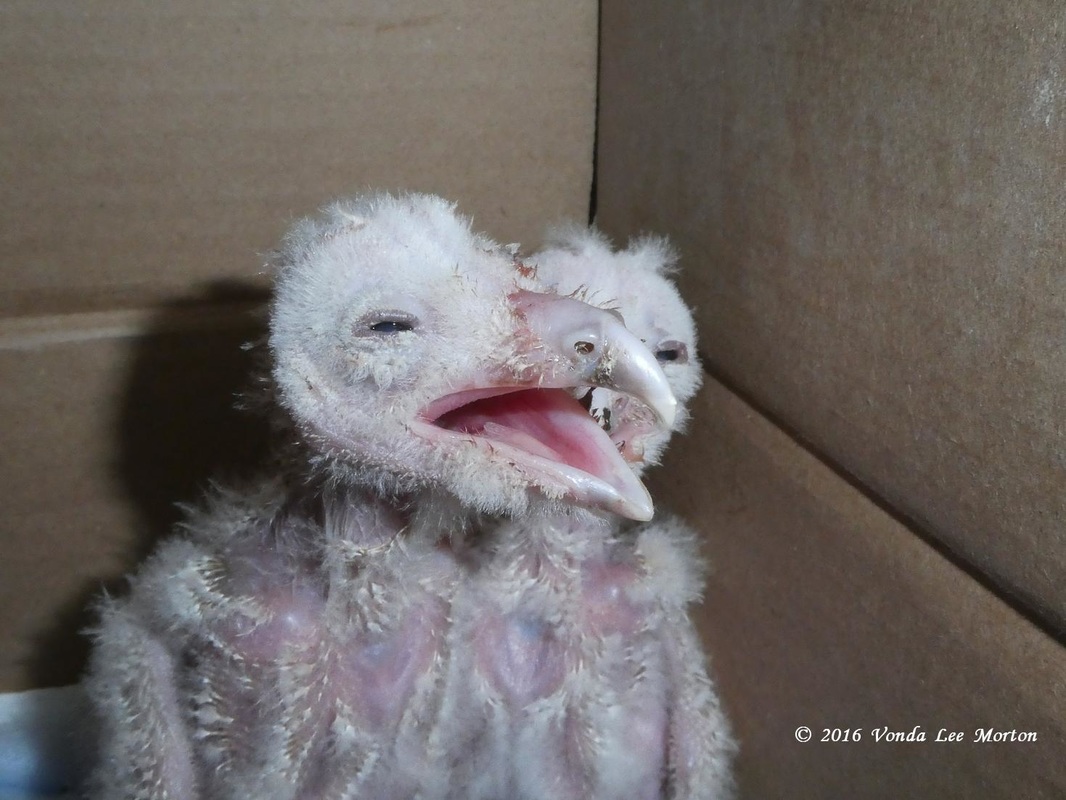
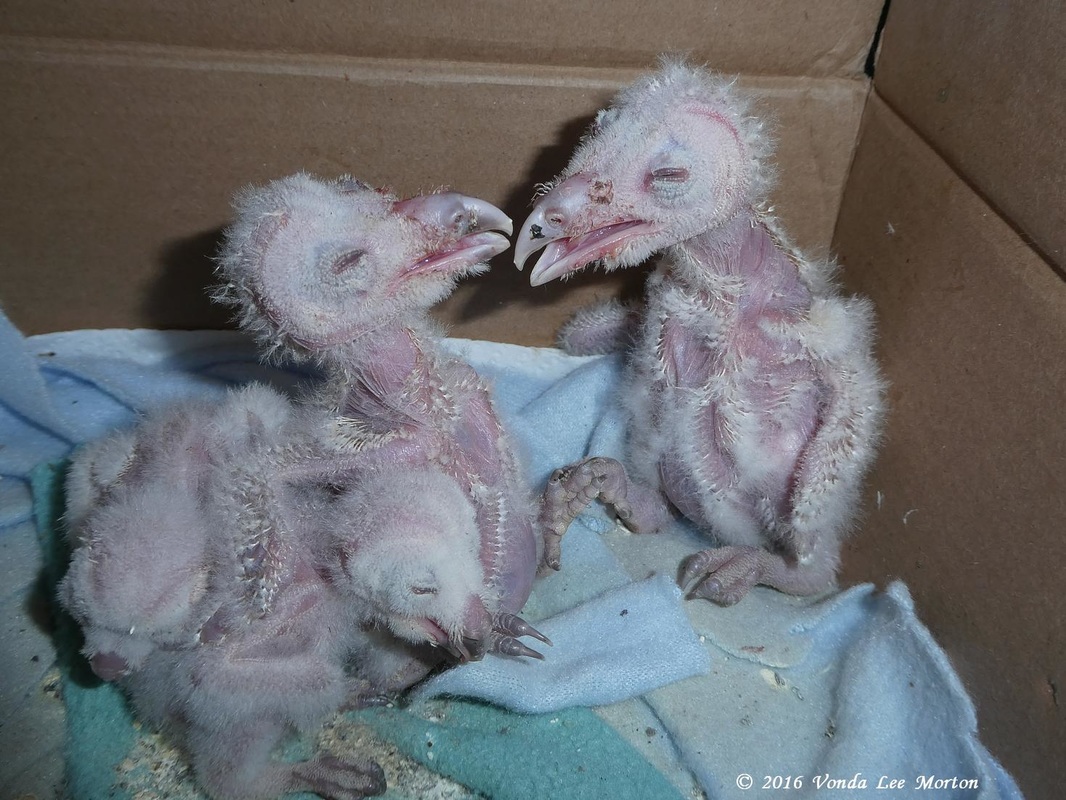
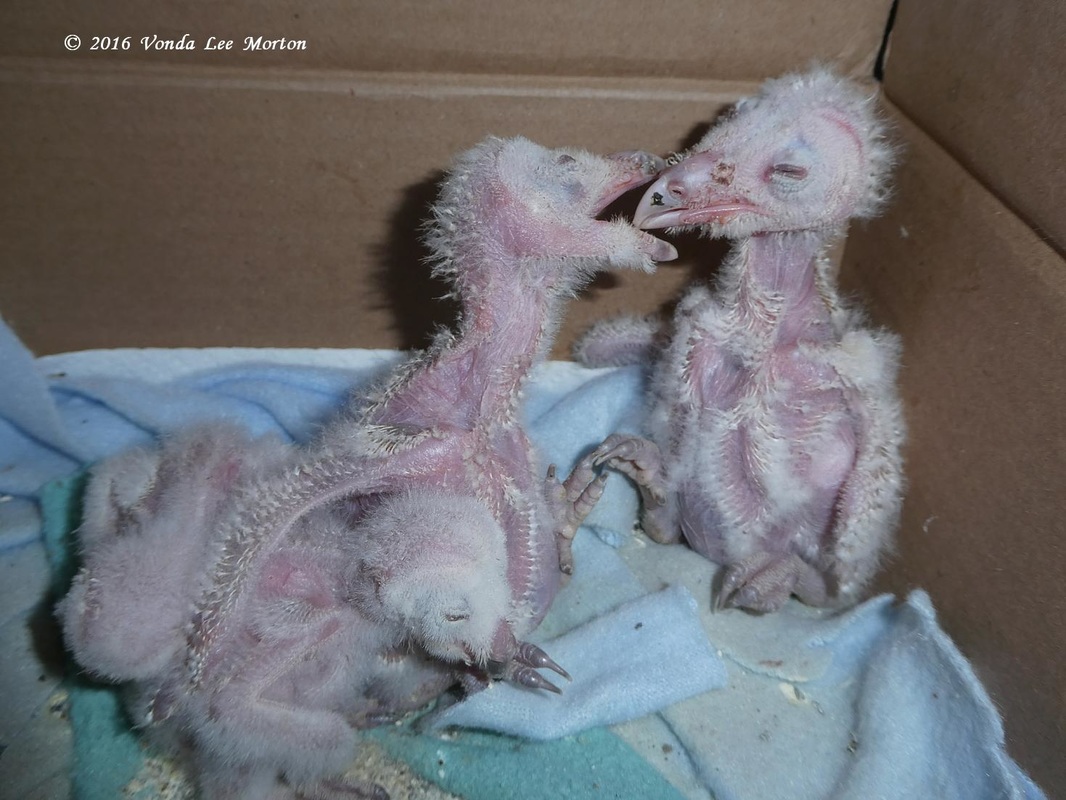
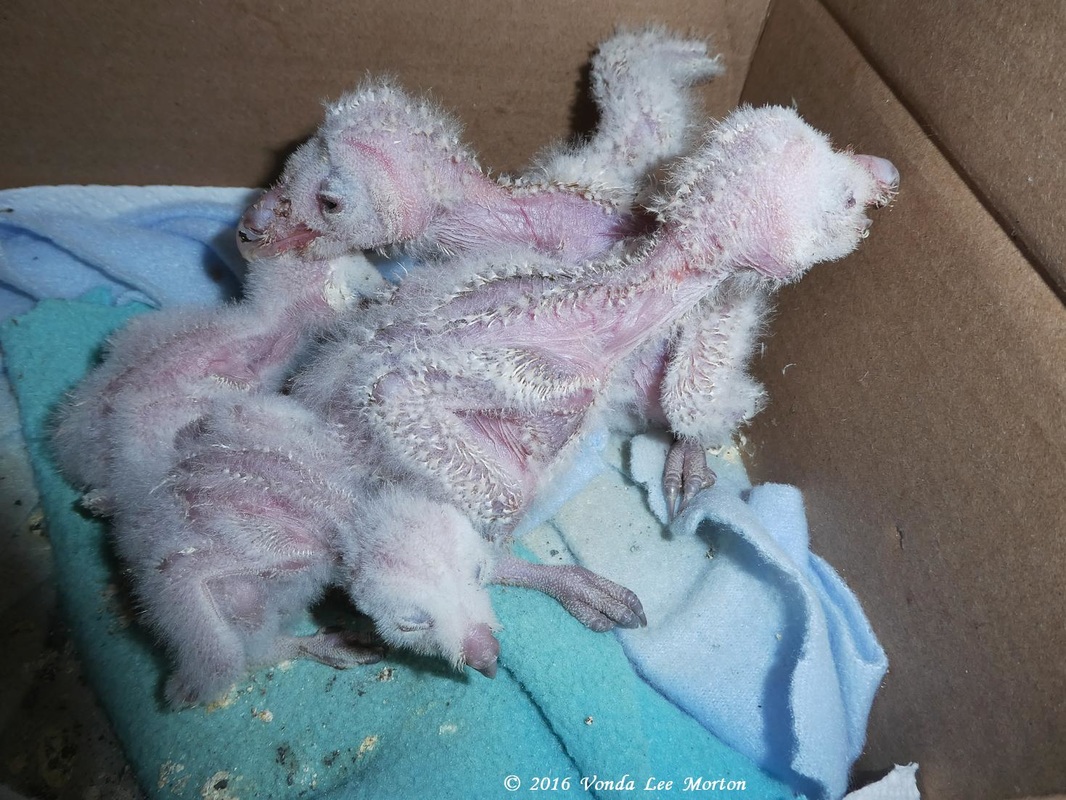
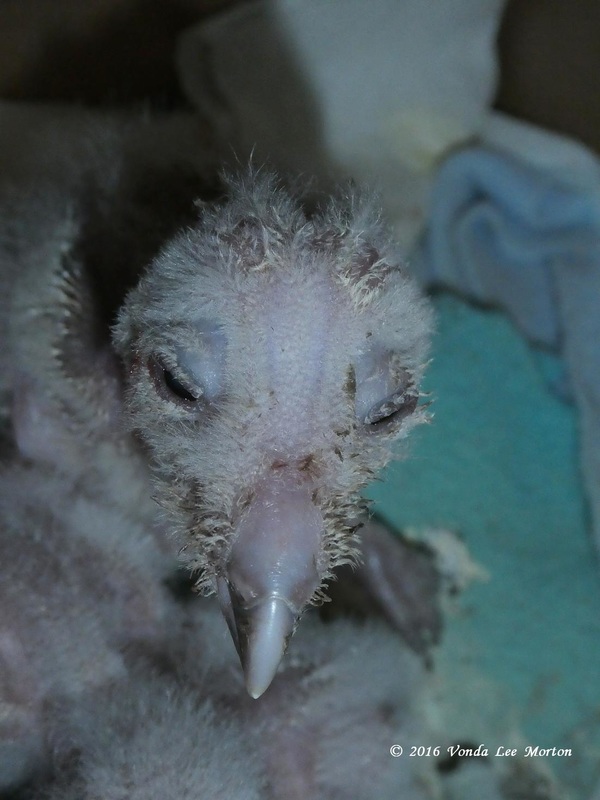
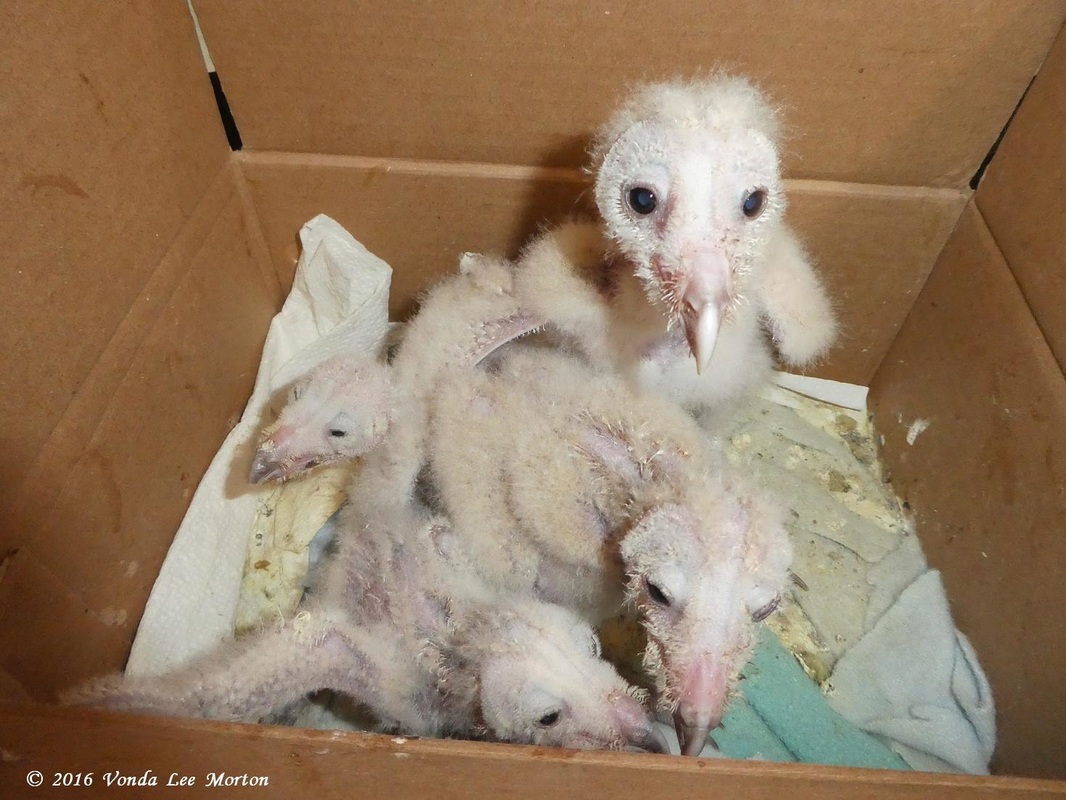
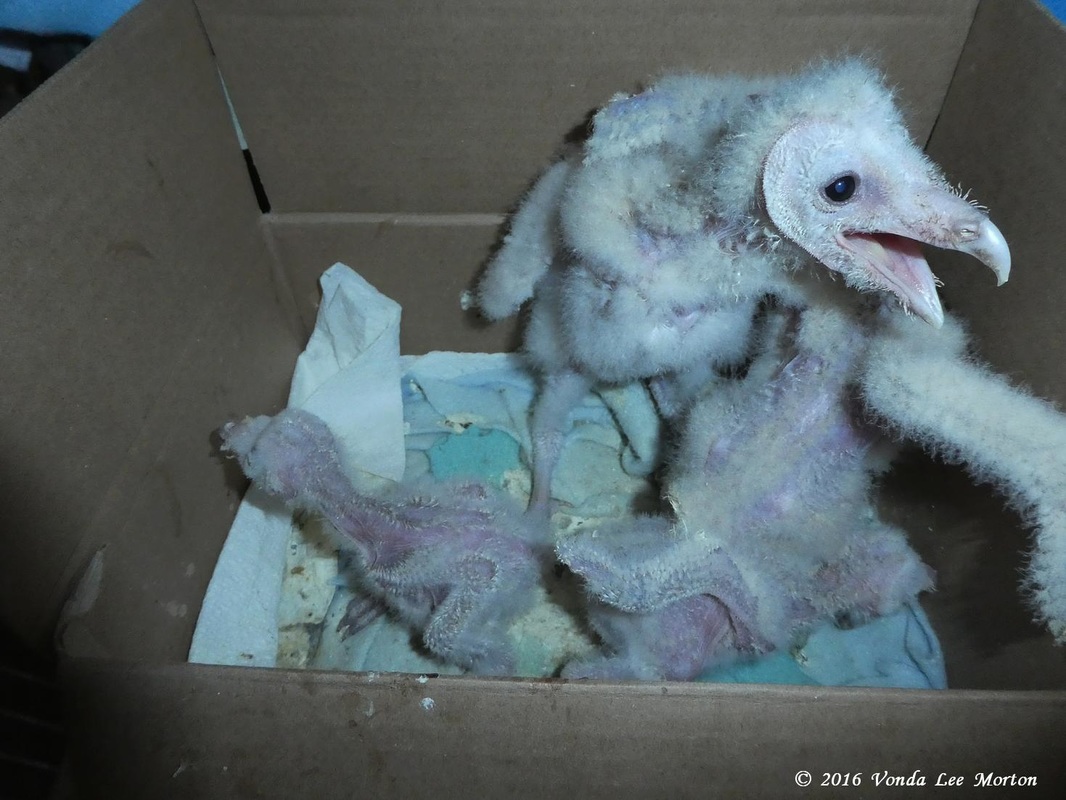
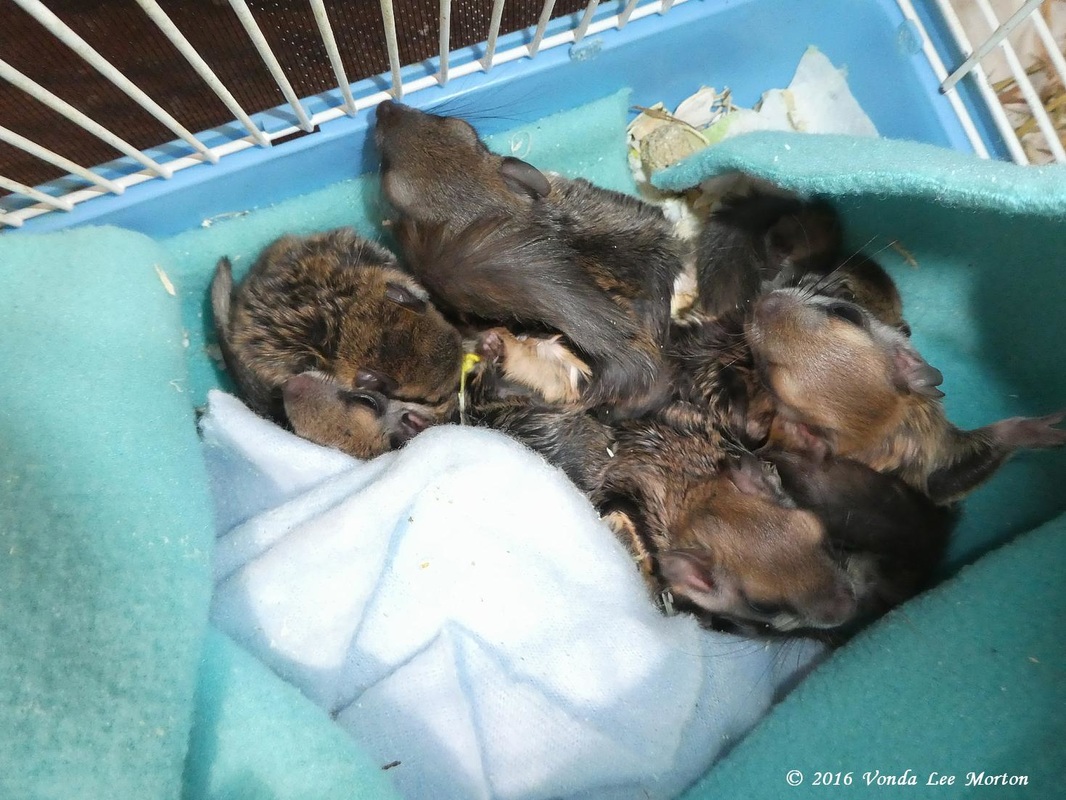
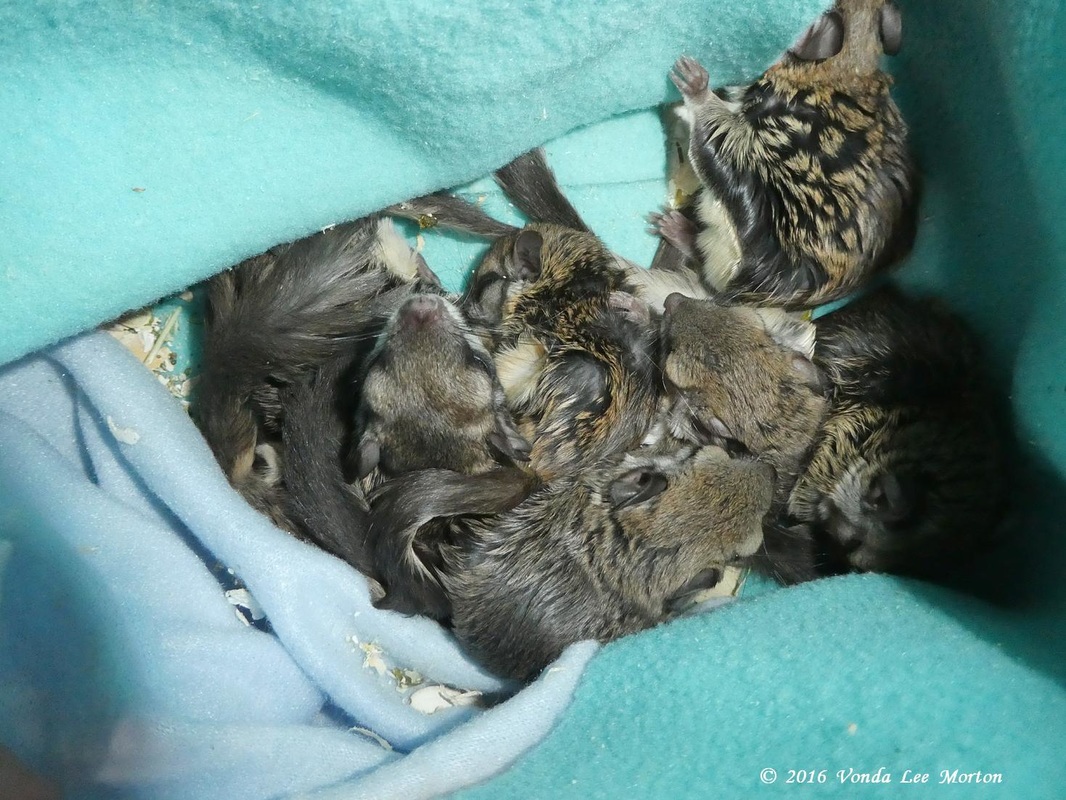
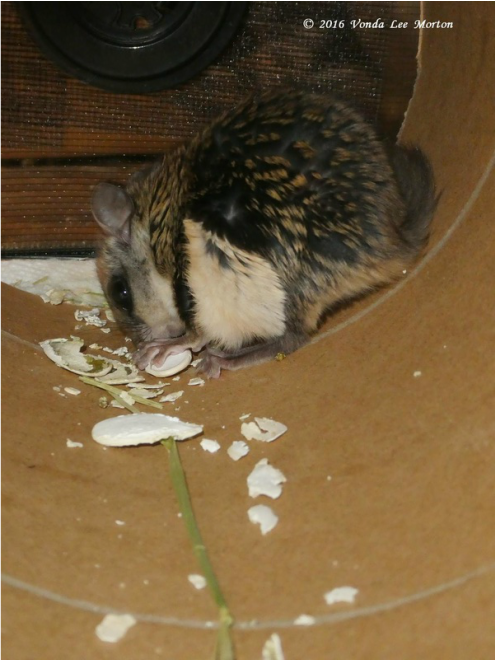
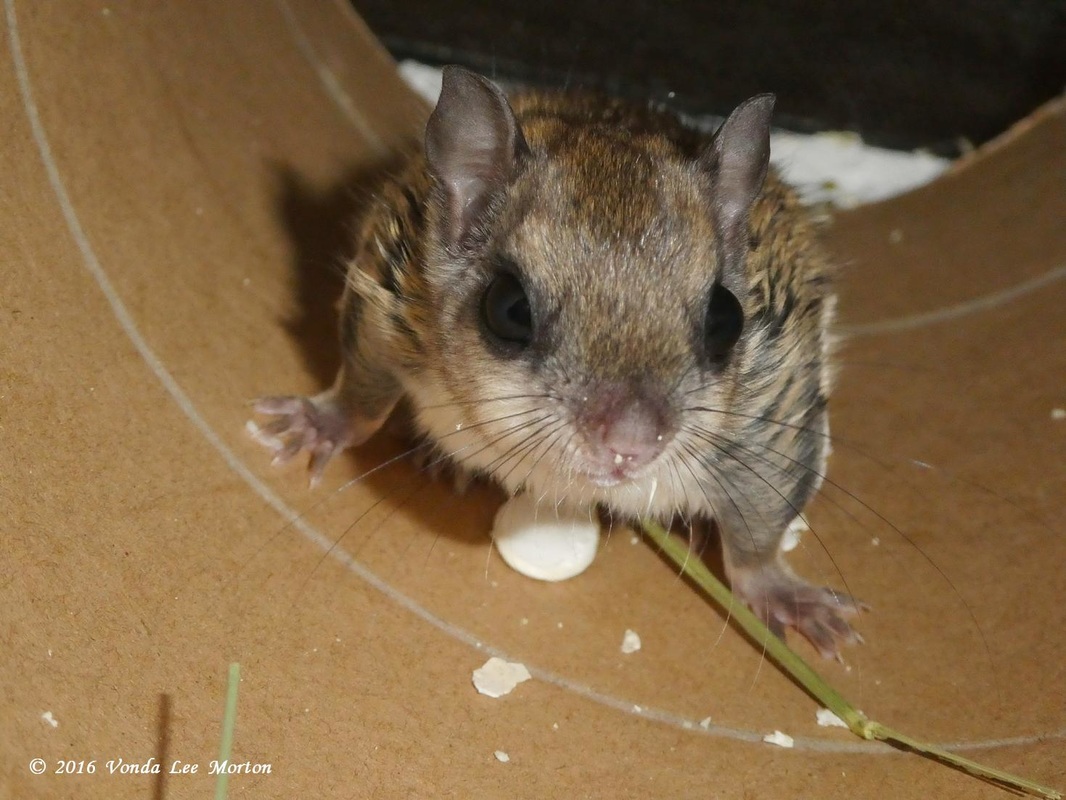
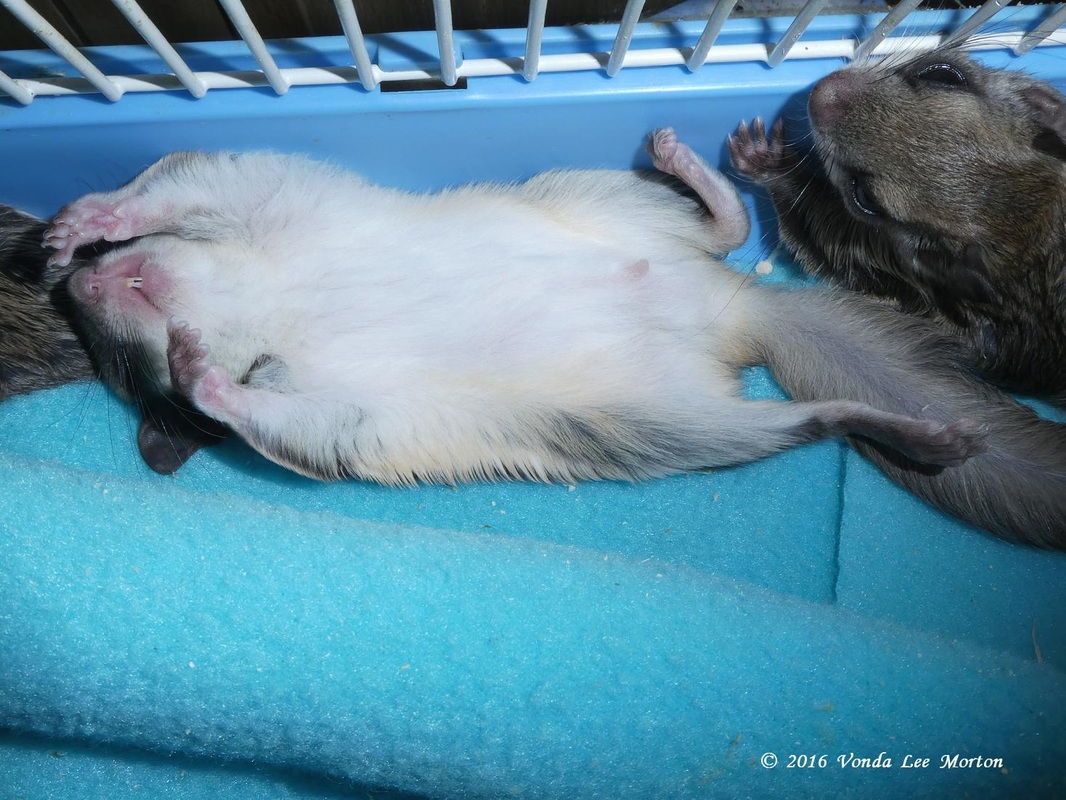
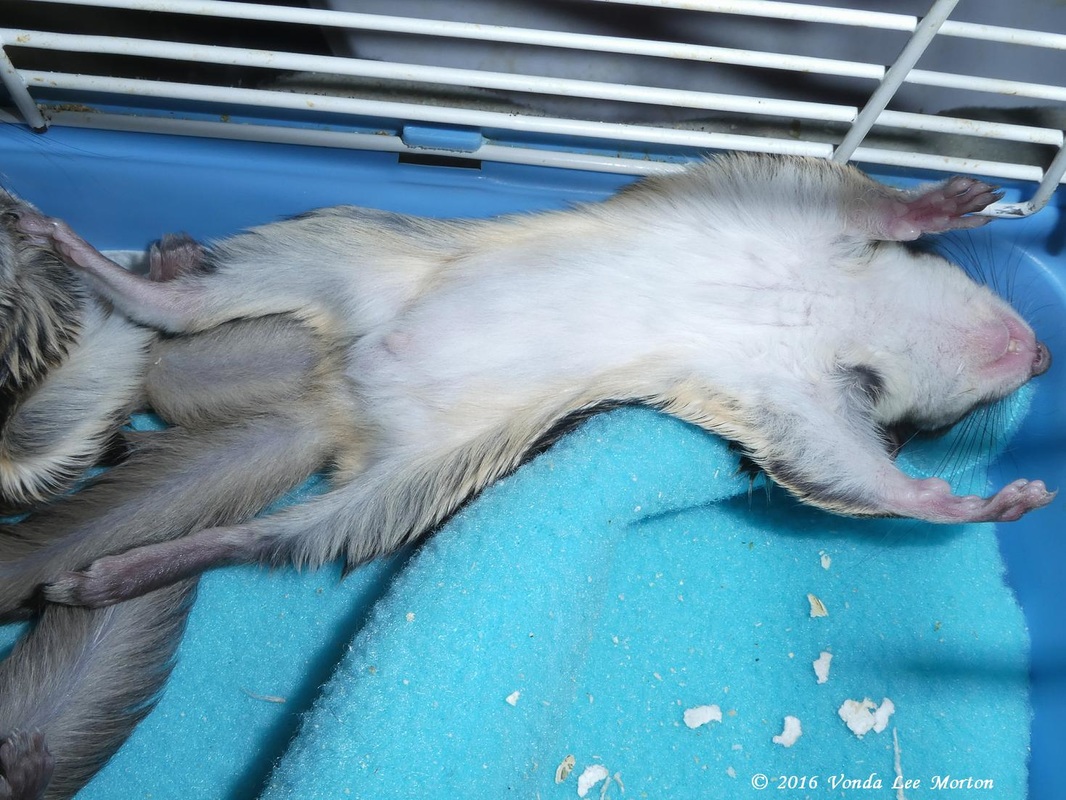
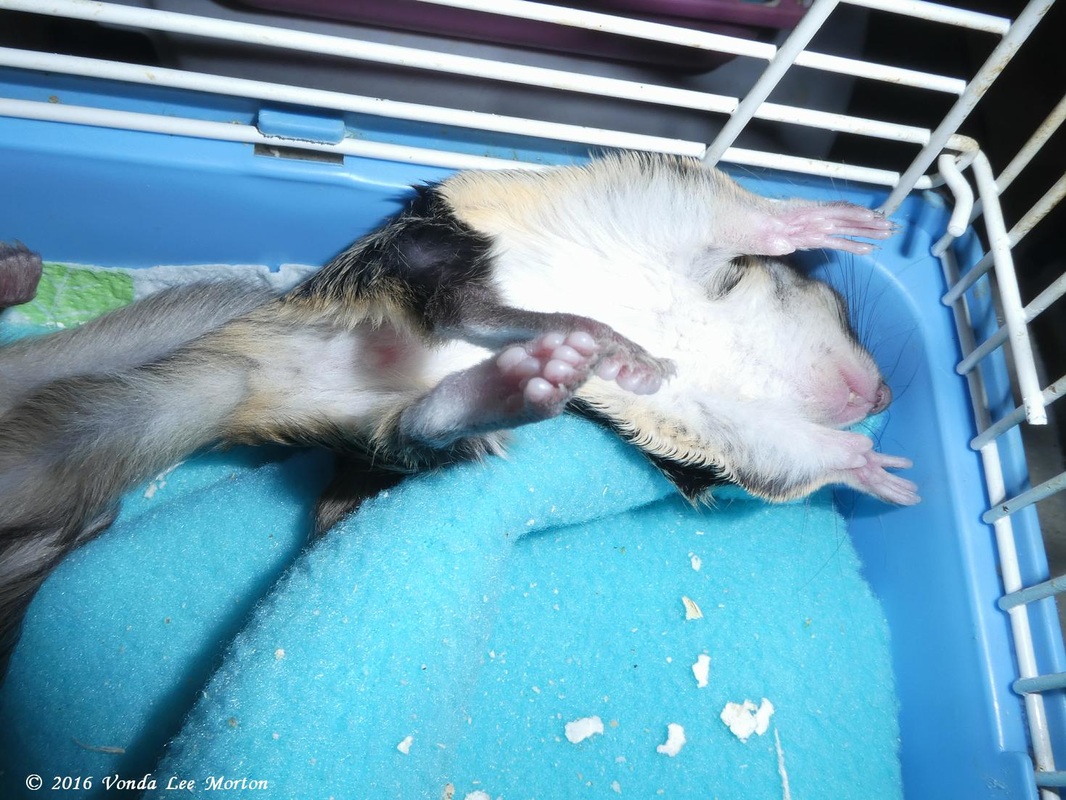
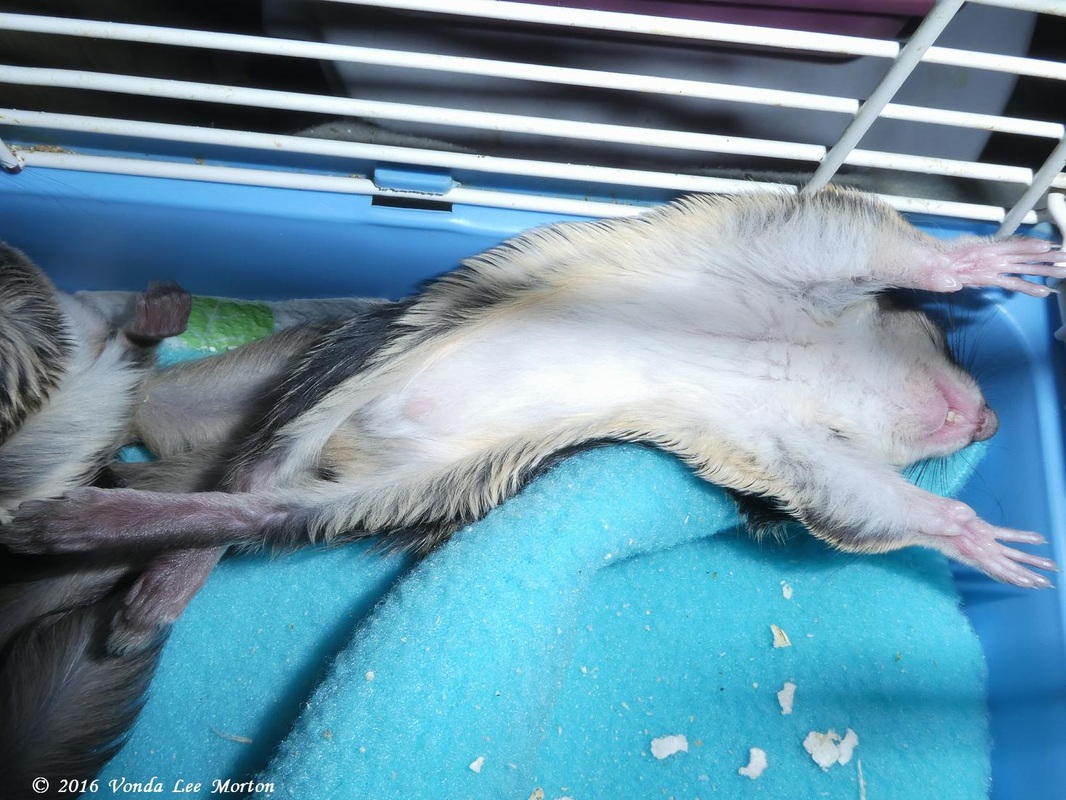
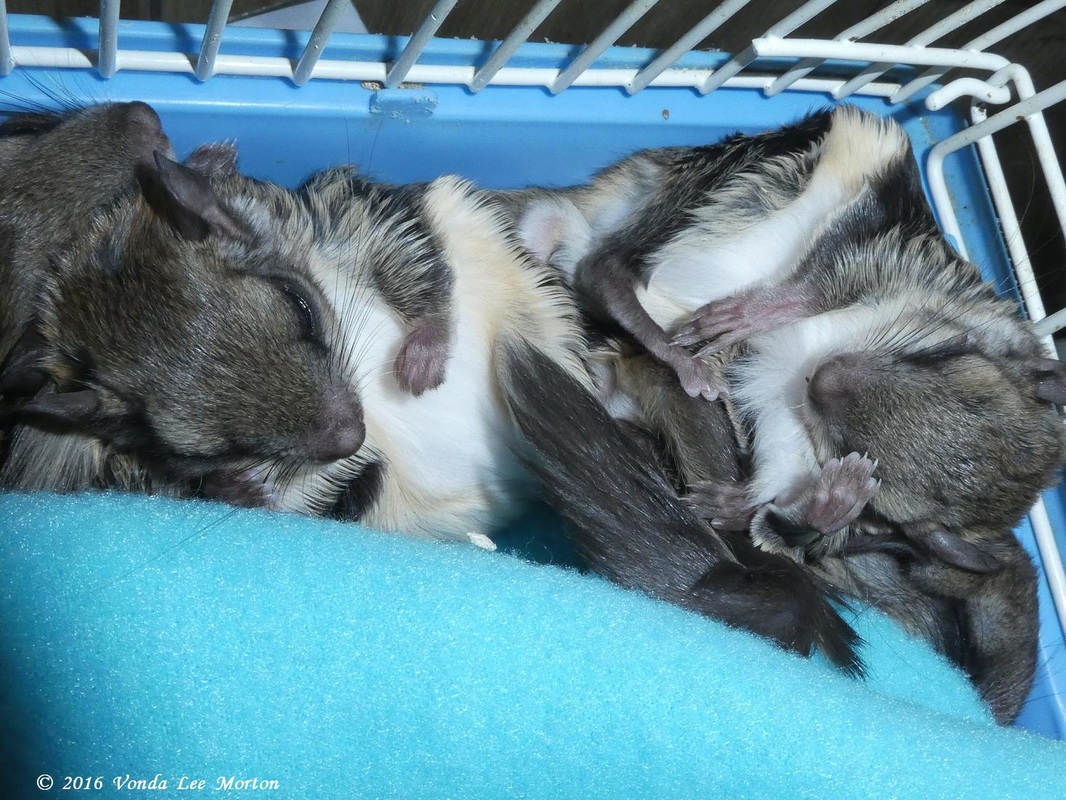
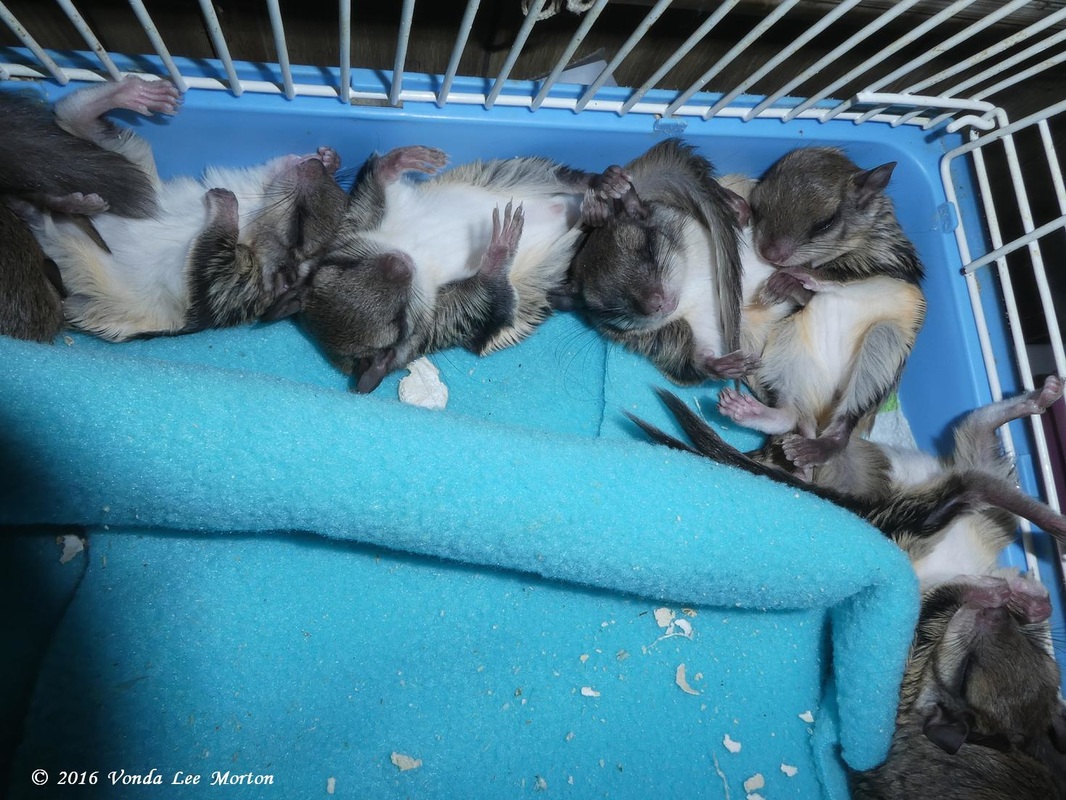
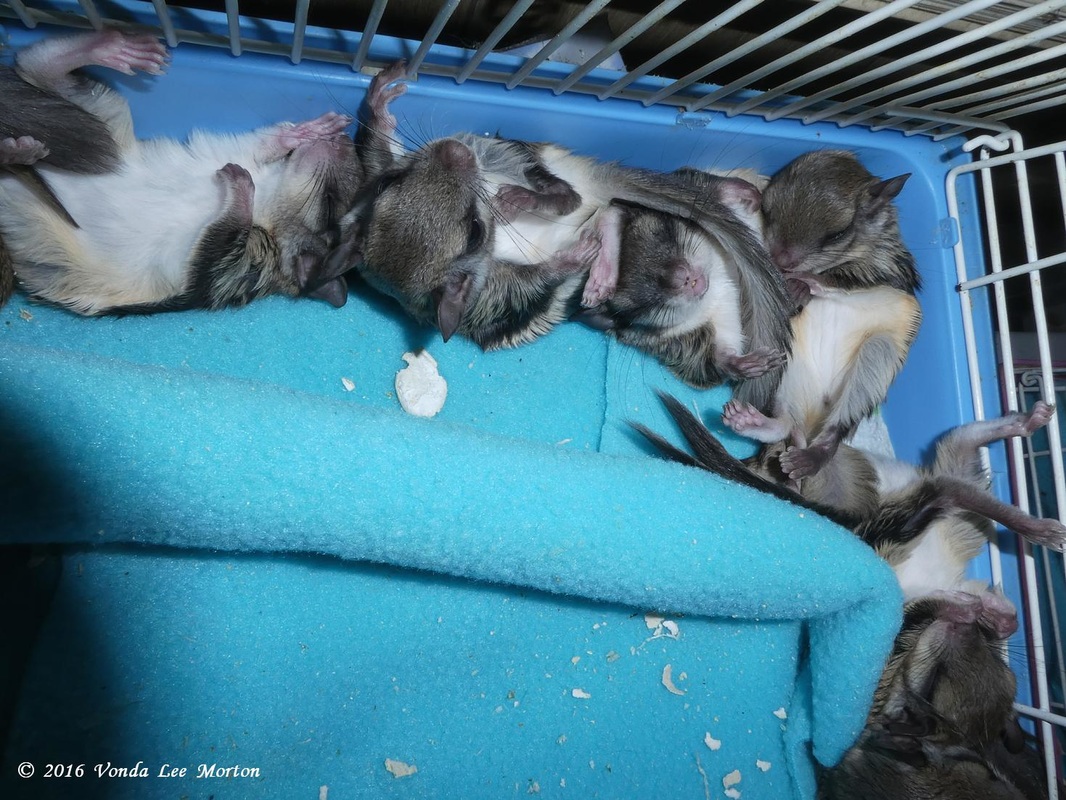
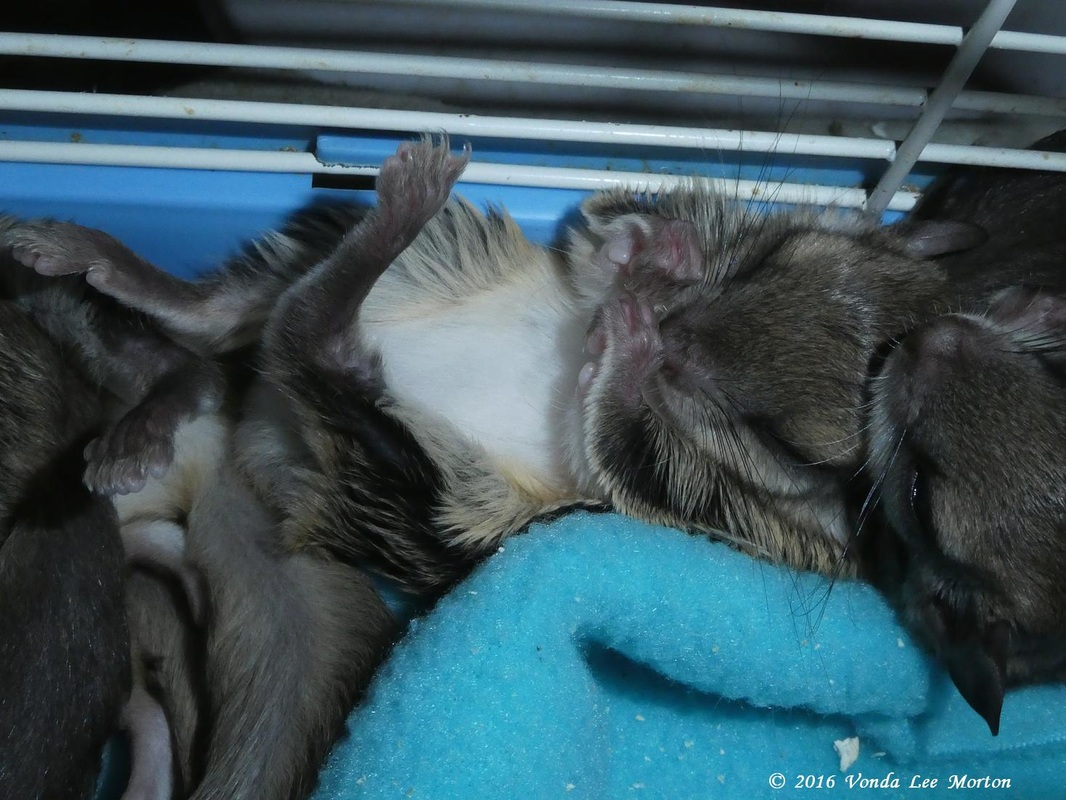
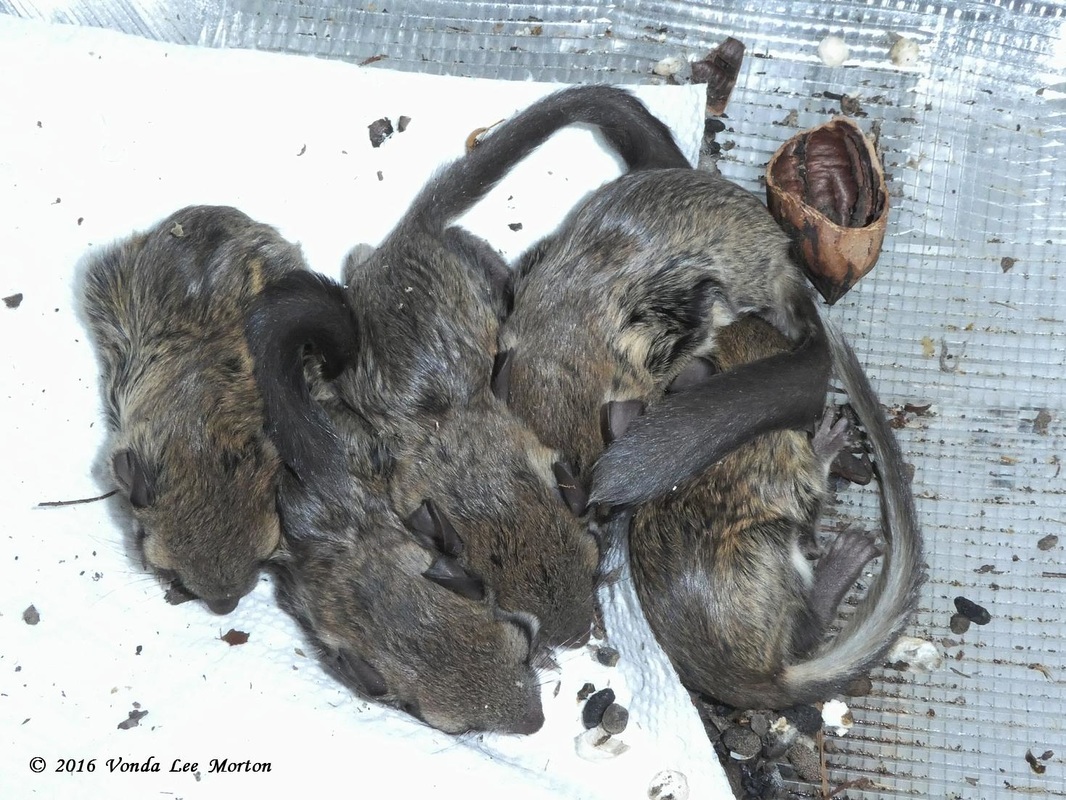
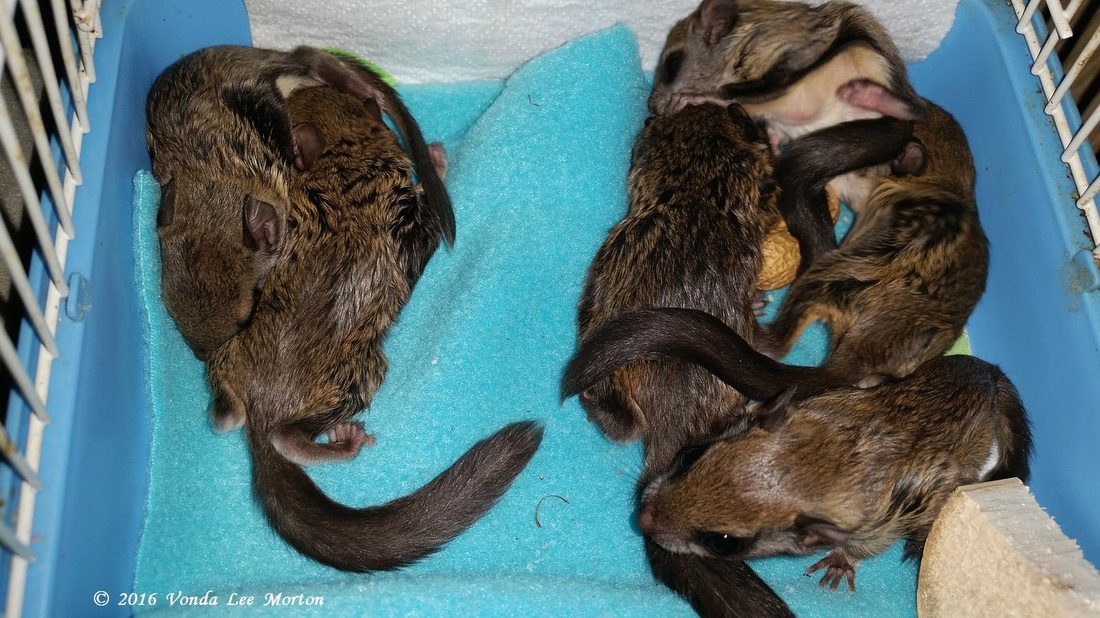
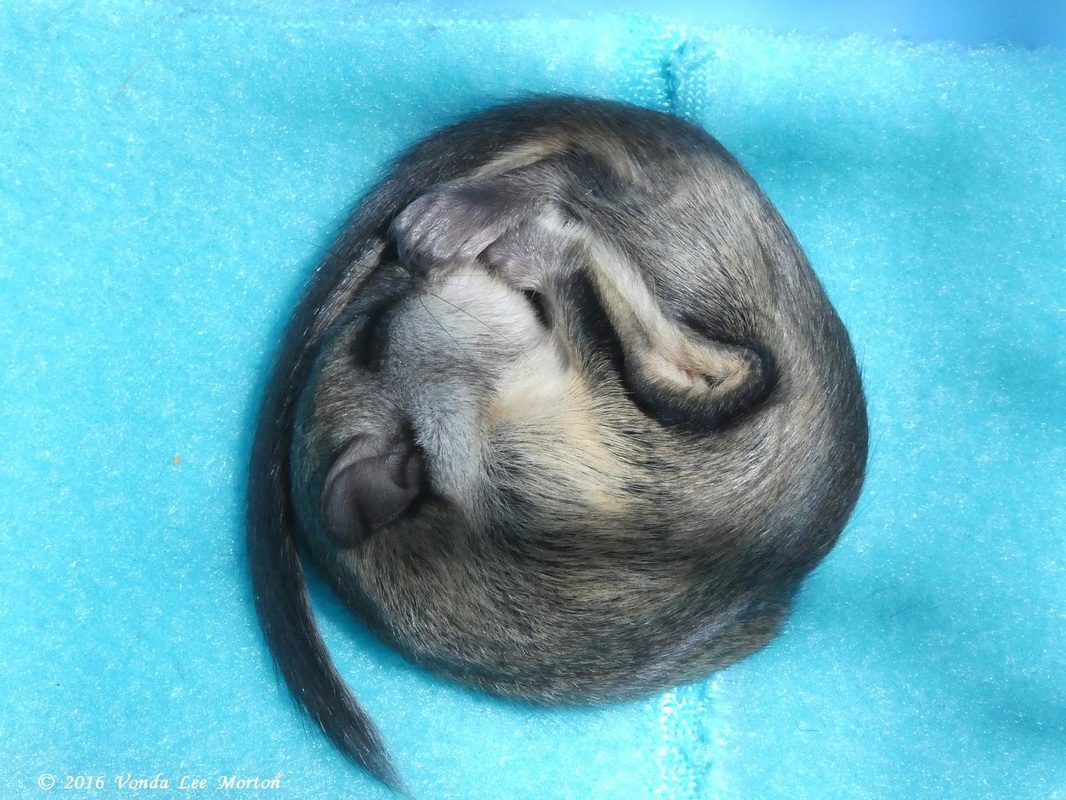
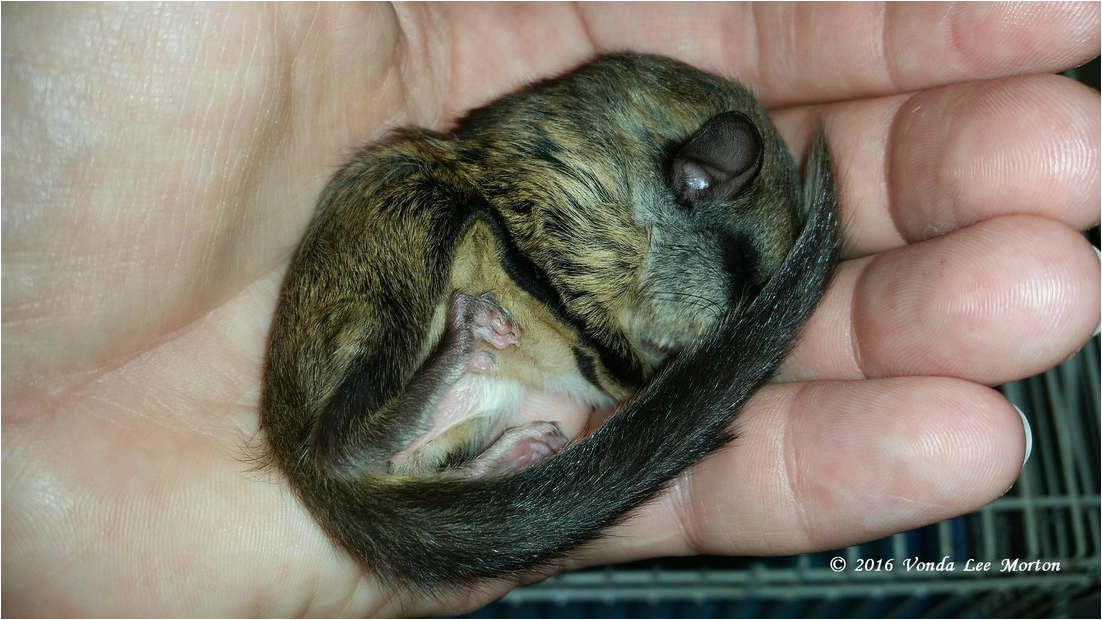
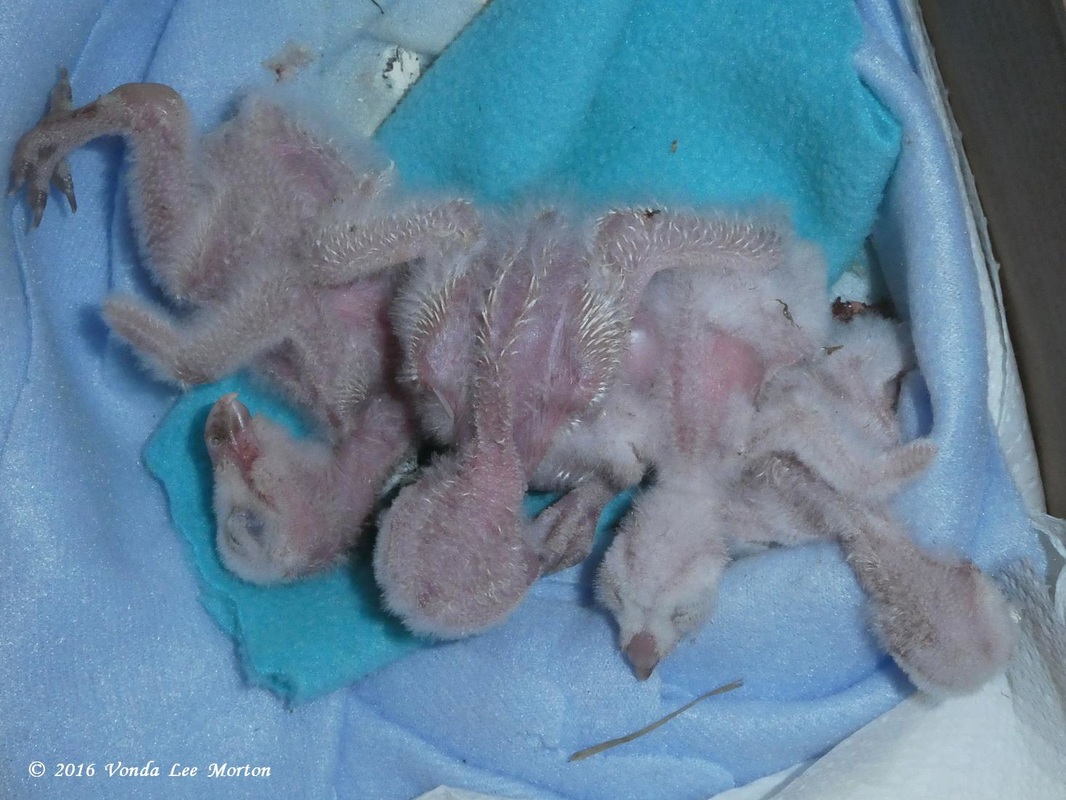
​Speaking of the barnies, they are indeed growing like weeds—just look at these adorable babies!
Picture
Picture
Picture
Picture
Picture
Picture
Picture
Picture
Picture
Picture
Picture
Yeah, I *may* have gone just a wee bit overboard with barnie stuff this week...I'm just ever so slightly besotted with the rascals!
We were briefly up to 10 flyers but sadly lost one last night, one of my runt females from the litter of 5 earlier in the month.  Runts can be iffy; they either do extremely well or extremely poorly. I thought this little girl was doing well, but apparently not.

Number 9 is from my own yard and all attempts to locate the nest to re-nest her were futile. I was SO sure I know where that nest was! She’s a strange little gal; she plays with the other flyers all night but refuses to sleep with them—has her own separate little cardboard box in the larger cage the remaining nine are in now. They’re like greased lightning with all that space to play in!
​
Number 10 is a cat-attack victim from several counties away who, luckily enough, had no injuries. We started antibiotics anyway, as cat saliva is toxic to wildlife and if she ingested any of the cat saliva on her fur, it could have had deadly results.
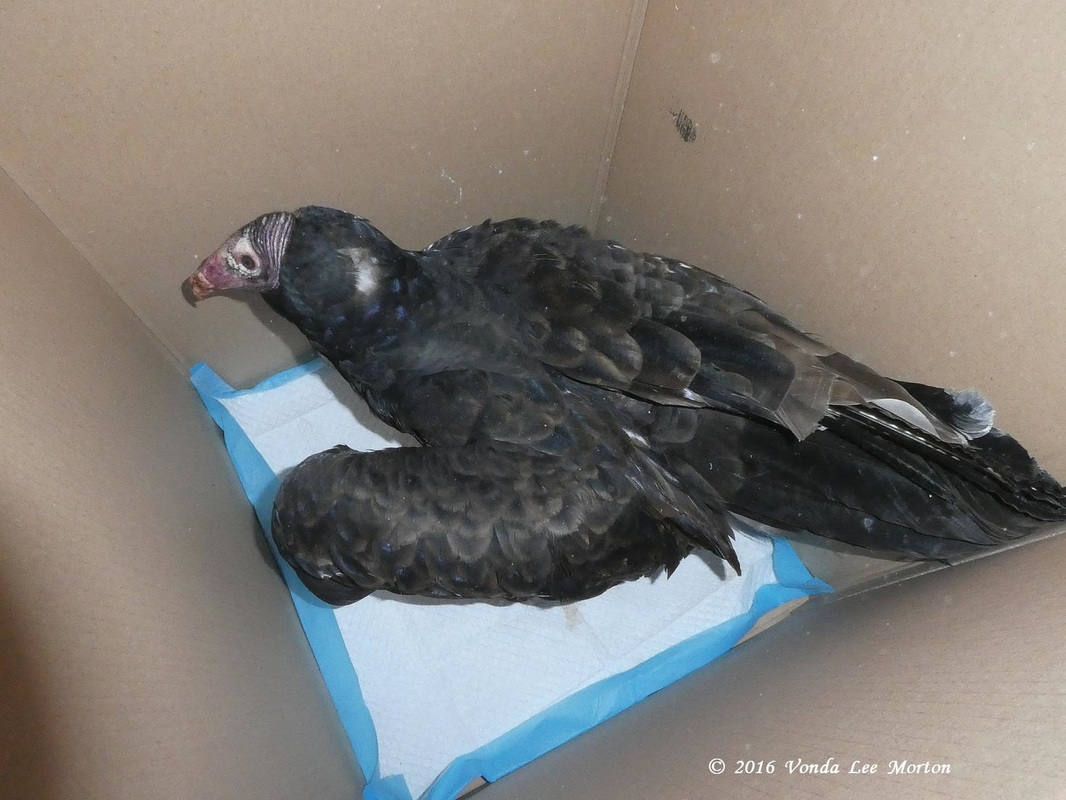
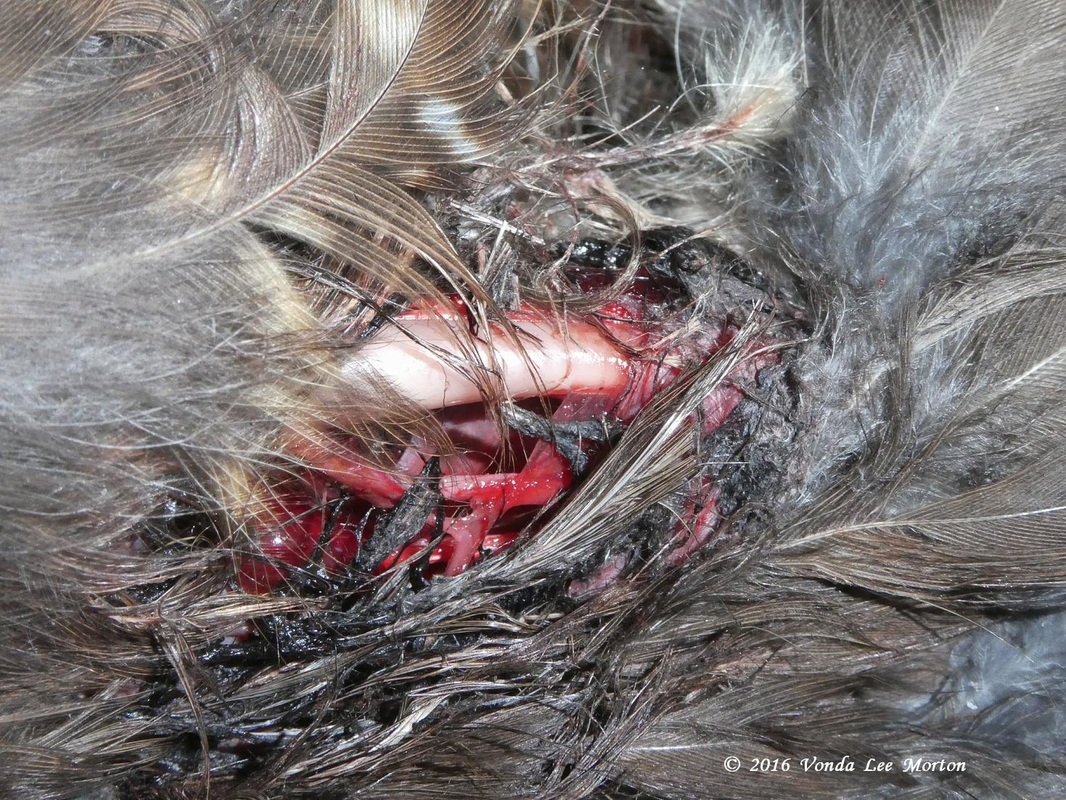
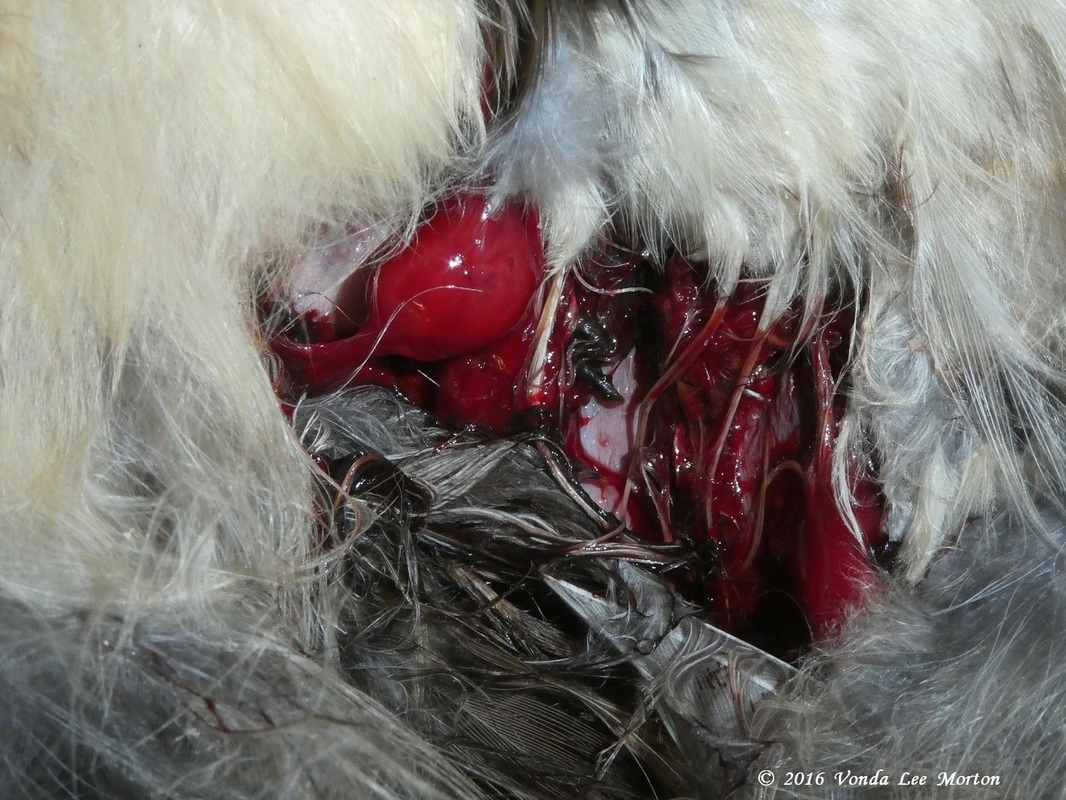
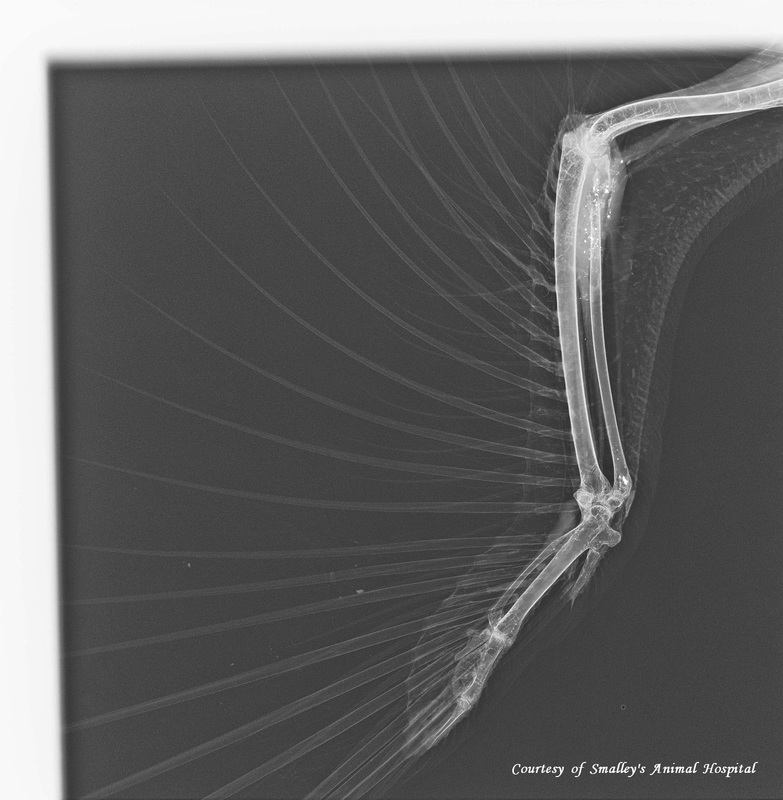
​Last week’s injured turkey vulture had indeed been shot and the wing was broken. Vets Richie Hatcher and Peggy Hobby of Smalley’s Animal Hospital agreed that given the location of the fracture and the extensive tissue damage to the entire wing, euthanasia was the kindest option. Of course, any time a non-game bird is shot, it must be reported to both Georgia Department of Natural Resources and US Fish & Wildlife Services. The sad thing is that without an actual eyewitness to the shooting, there’s very little that can be done to locate and prosecute the jackasses doing the shooting.
Picture
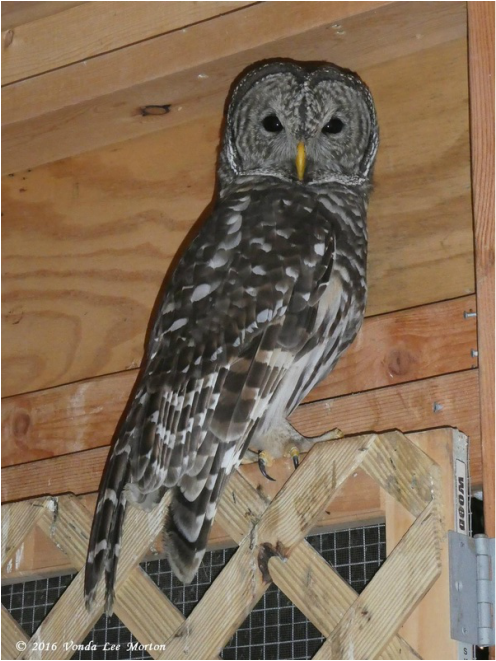
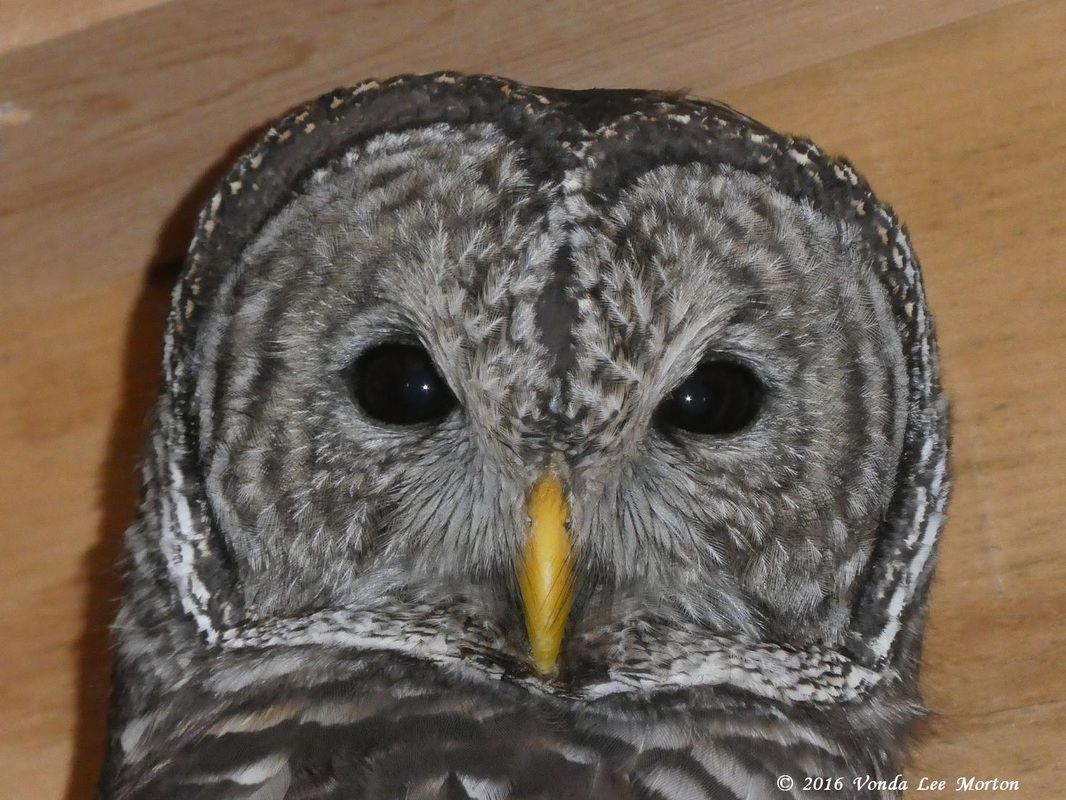
​The second barred owl from last week—the one with the suspected broken wrist—did indeed have a fracture right in the joint, which again necessitated euthanasia.
Picture
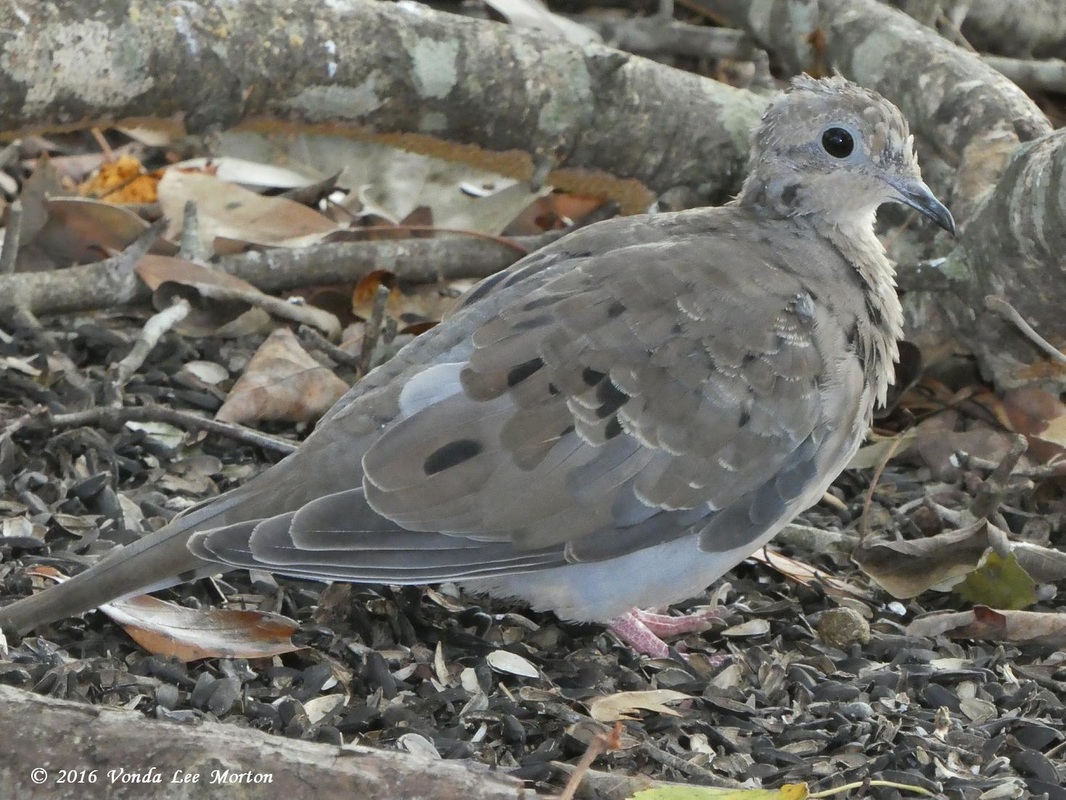
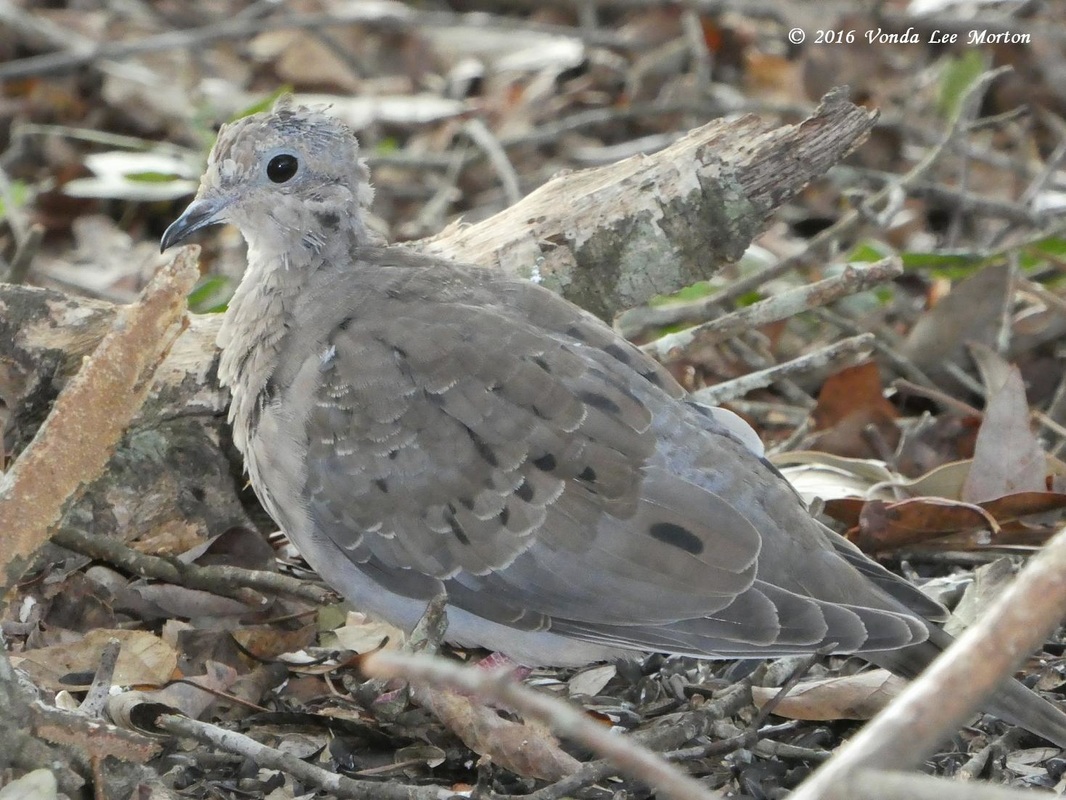
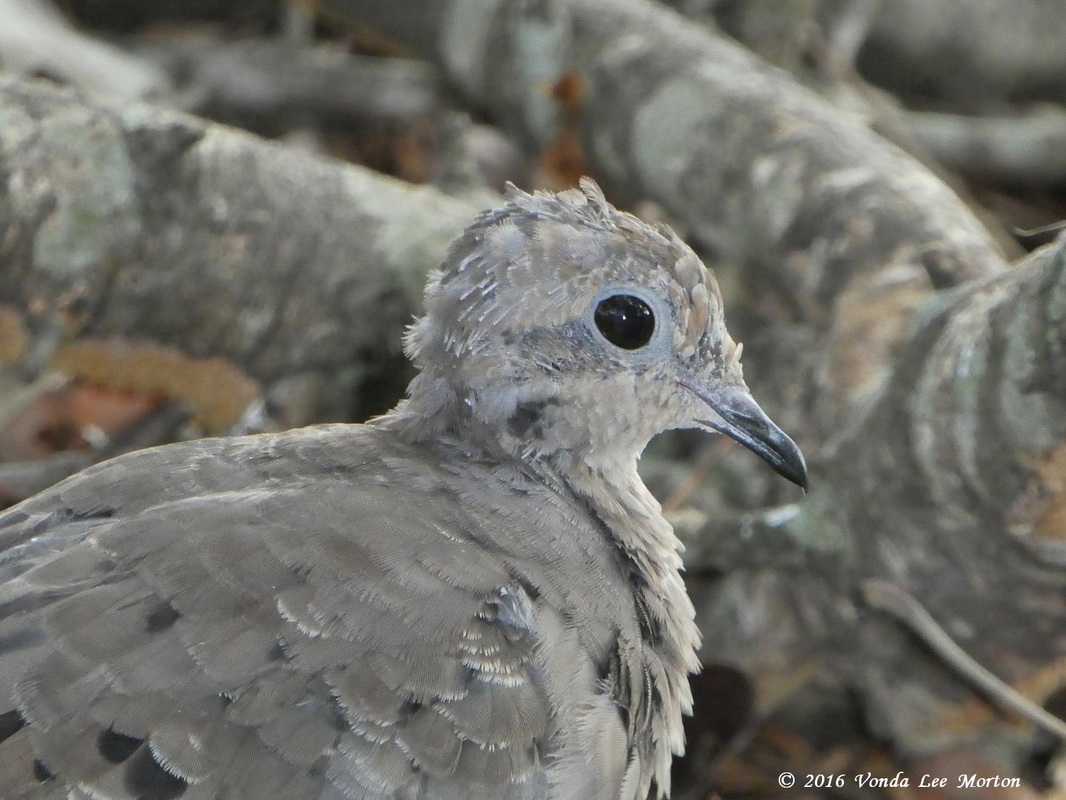
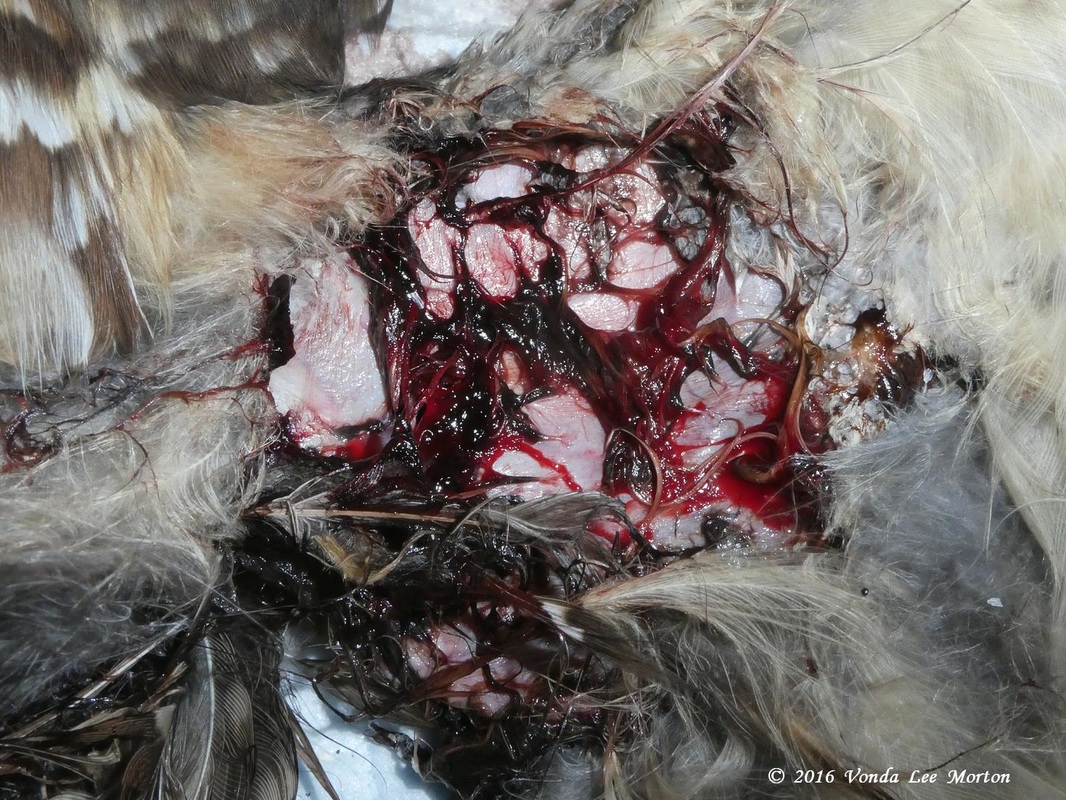
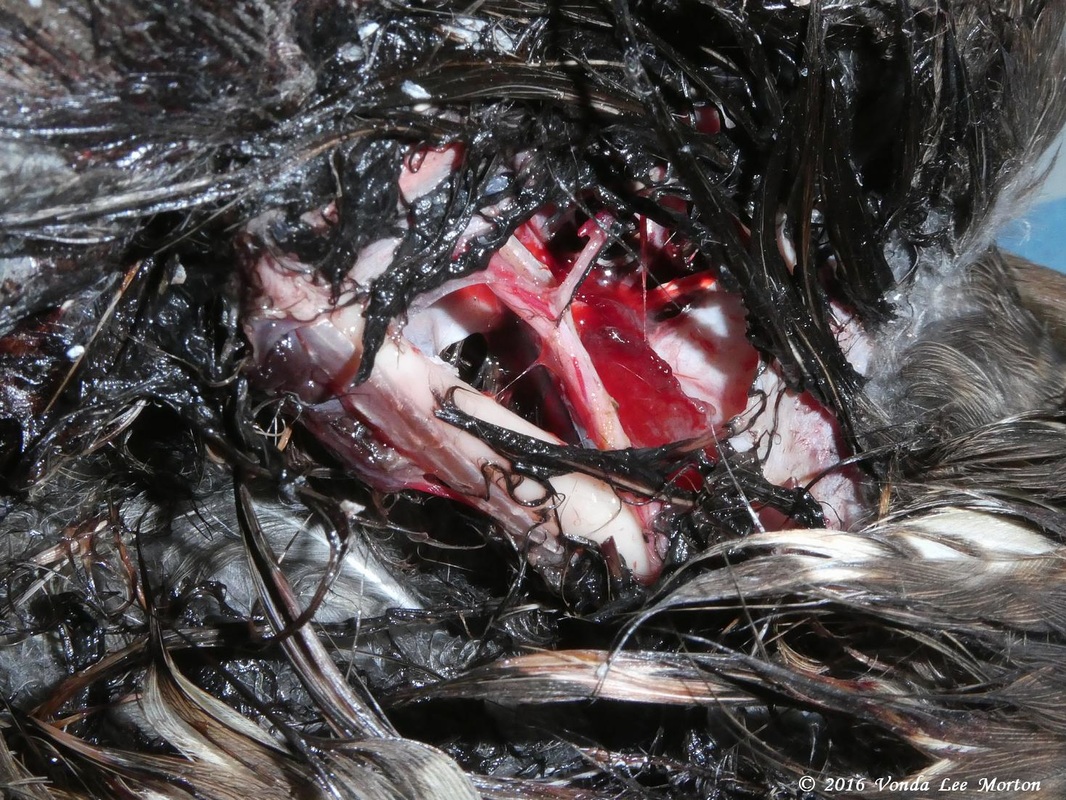
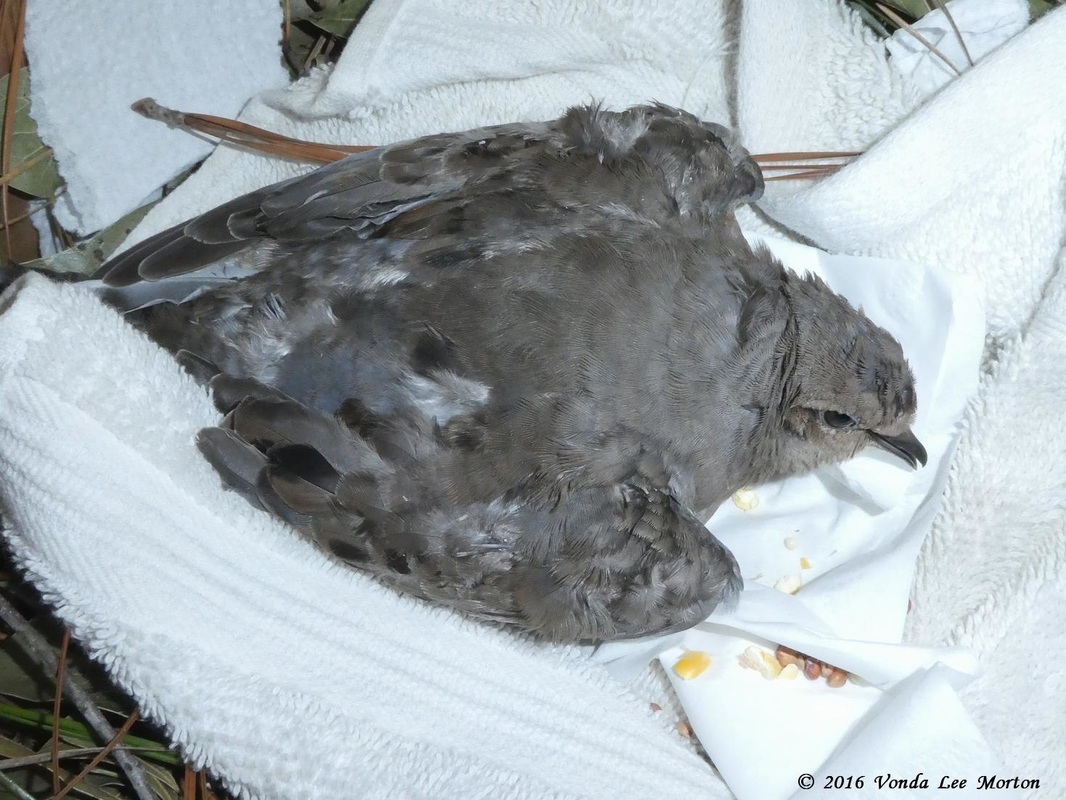
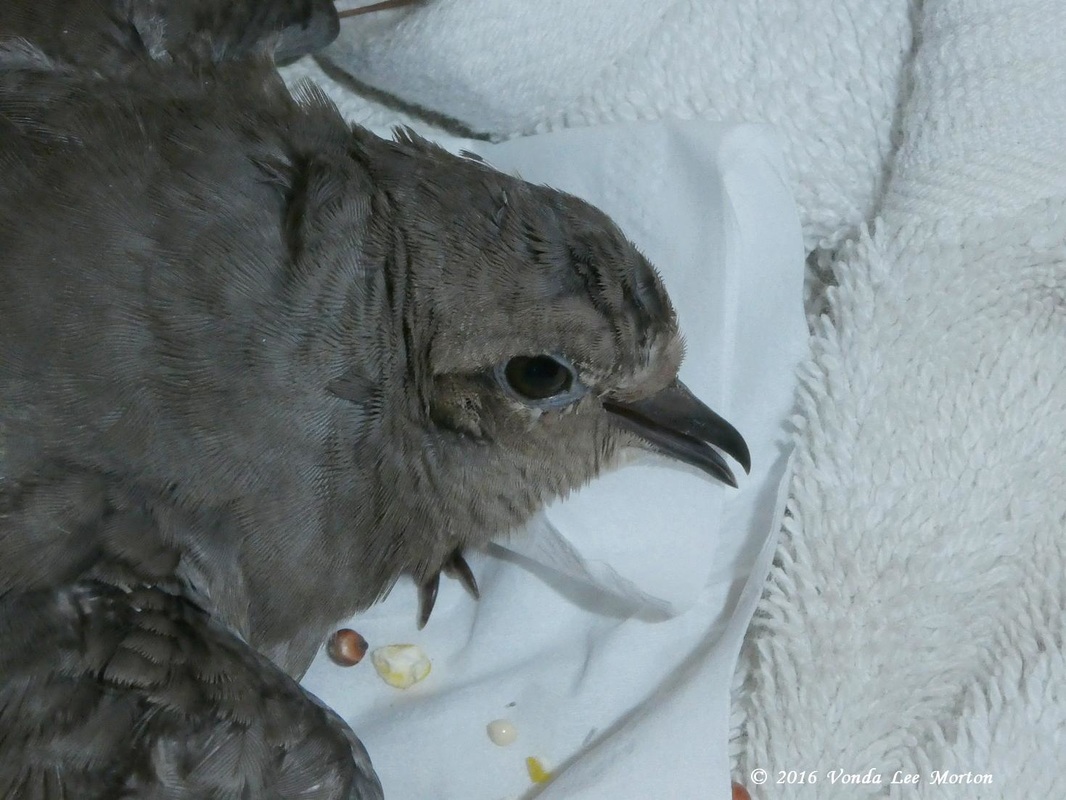
​This cat-attacked juvenile mourning dove didn’t even survive the night. The couple who took him from their cat claimed to be devastated by what the cat had done but my explanation that this would continue to happen as long as their cat was allowed outside and that their cat would be healthier and safer indoors fell on deaf ears; their eyes glazed over while I was talking.
Picture
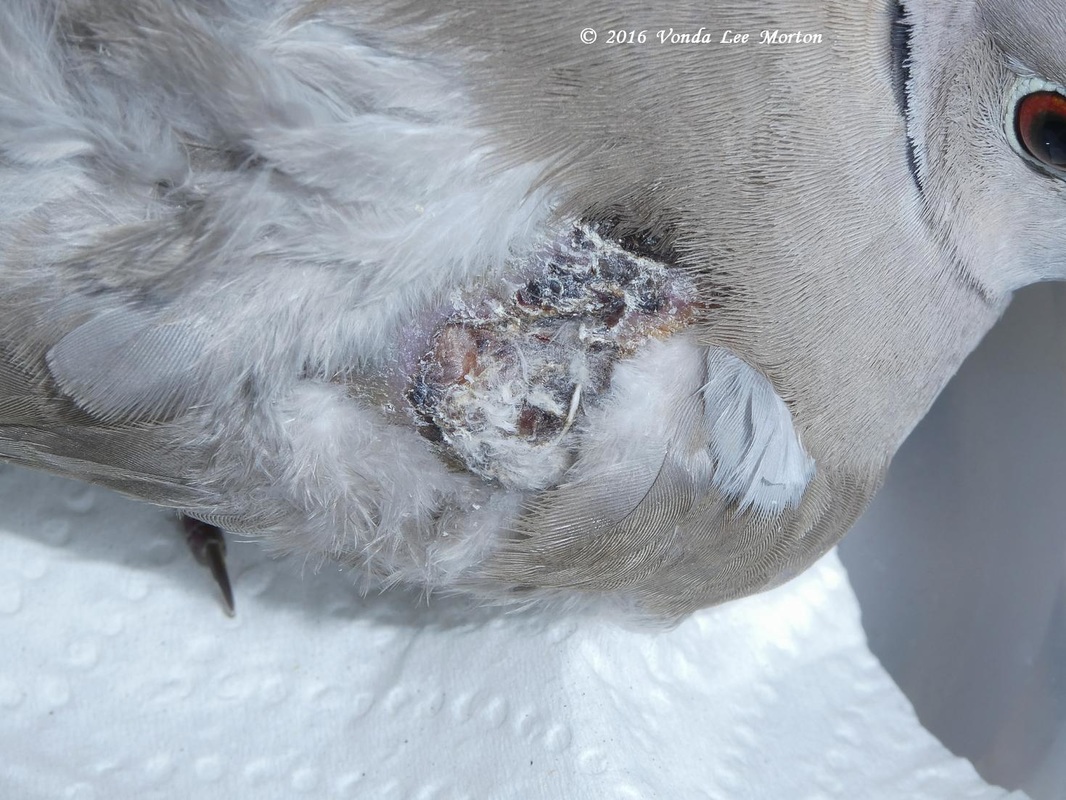
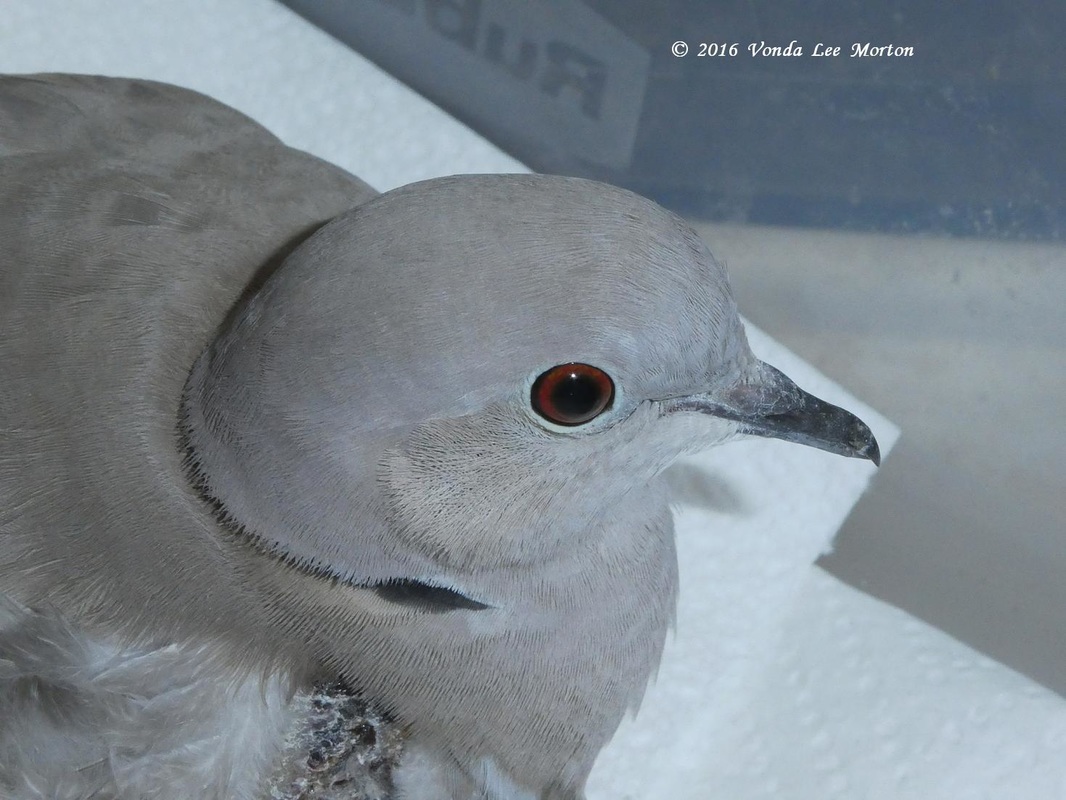
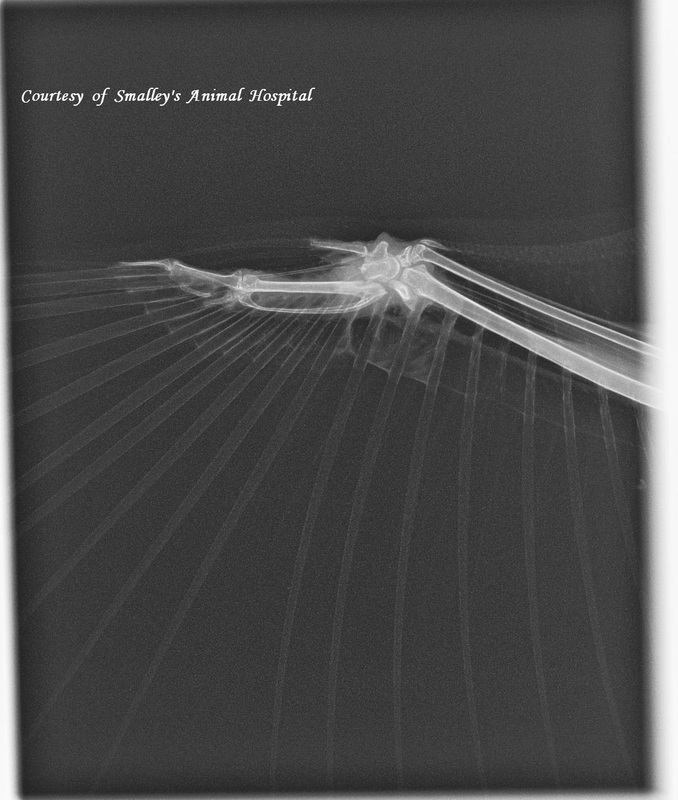
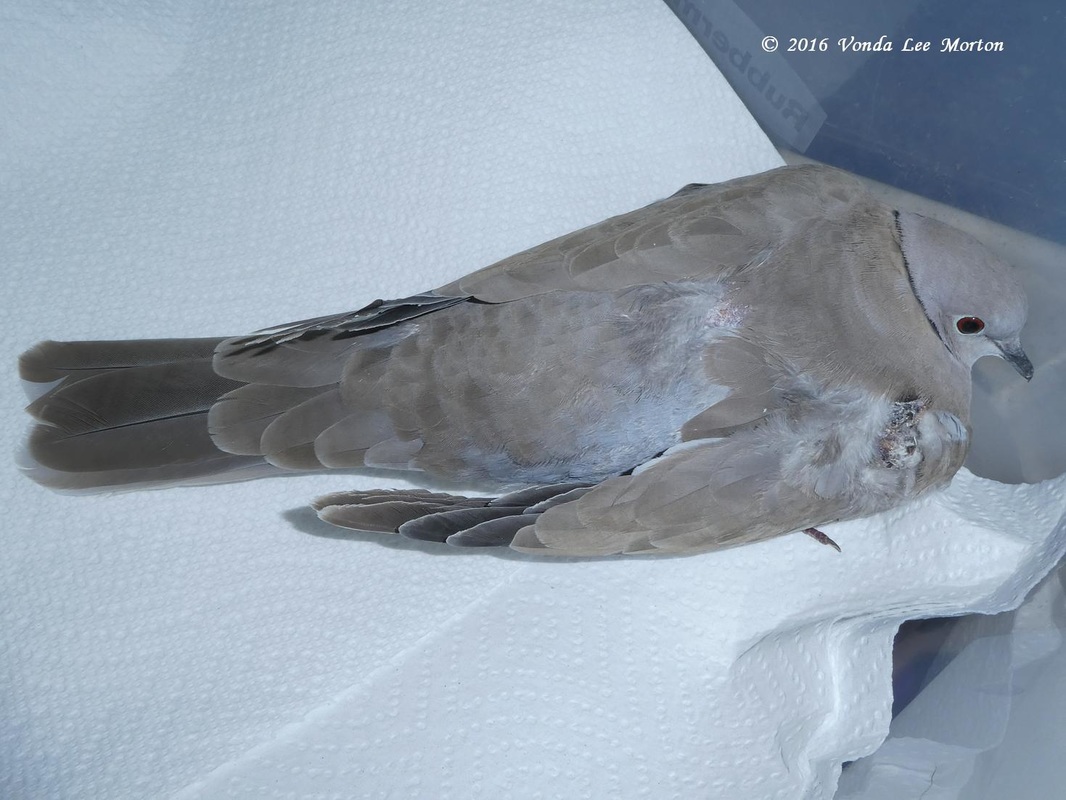
​Another couple found an adult Eurasian collared dove wandering around their yard, unable to fly. On intake at LWR, the bird had what appeared to be a shoulder fracture; he’ll go in for x-rays this week to confirm, and if it is indeed a shoulder fracture, he’ll require euthanasia as well.
Picture
Picture
Picture
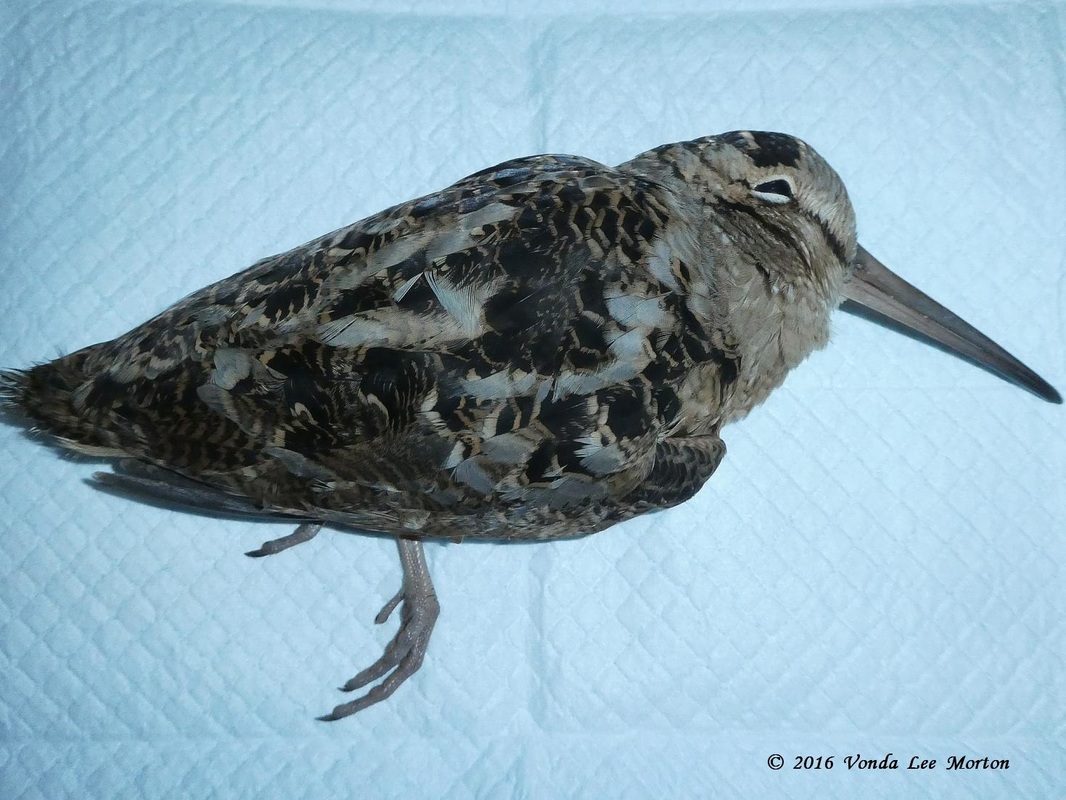
​Although they’re year-round residents of Georgia, woodcocks aren’t birds seen often in rehab. This woodcock was found in a neighboring county and brought to LWR the next day but died en route. A post-mortem exam revealed that both legs were broken and the poor bird was rail thin; he’d died of a combination of injury and starvation.
Picture
And we had not one but TWO releases!
​
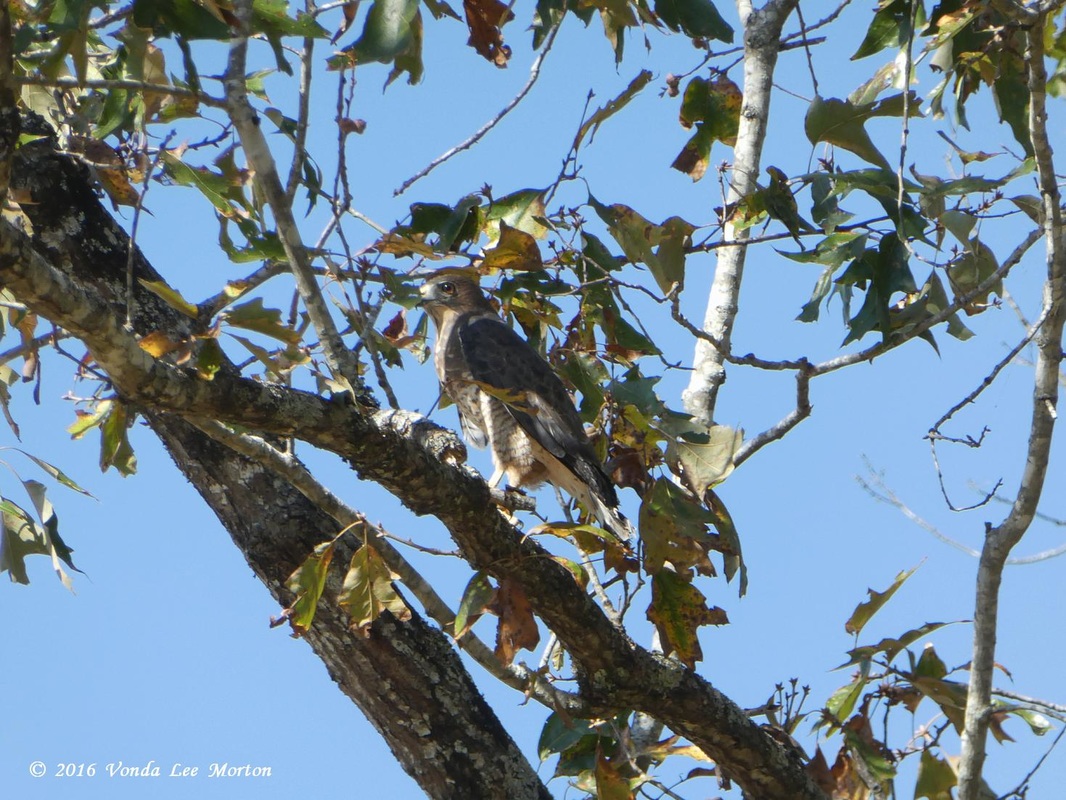
The Cooper’s hawk who came in back in mid-September with a minor wing fracture was released…
Picture
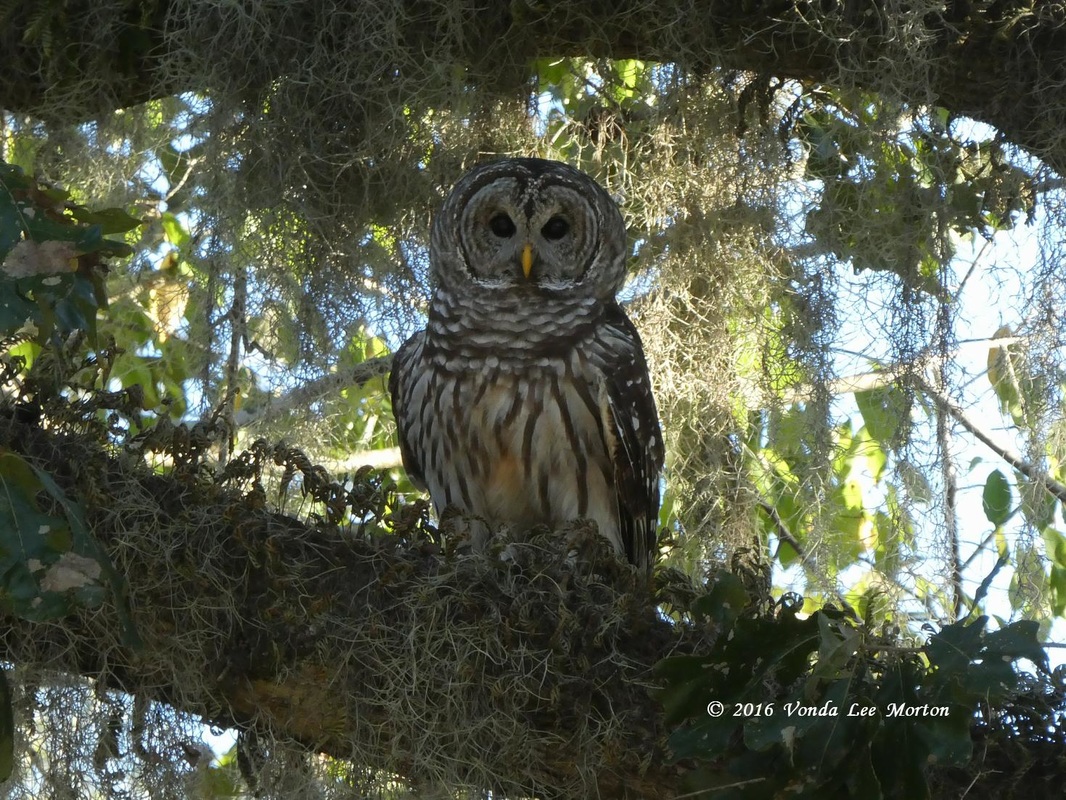
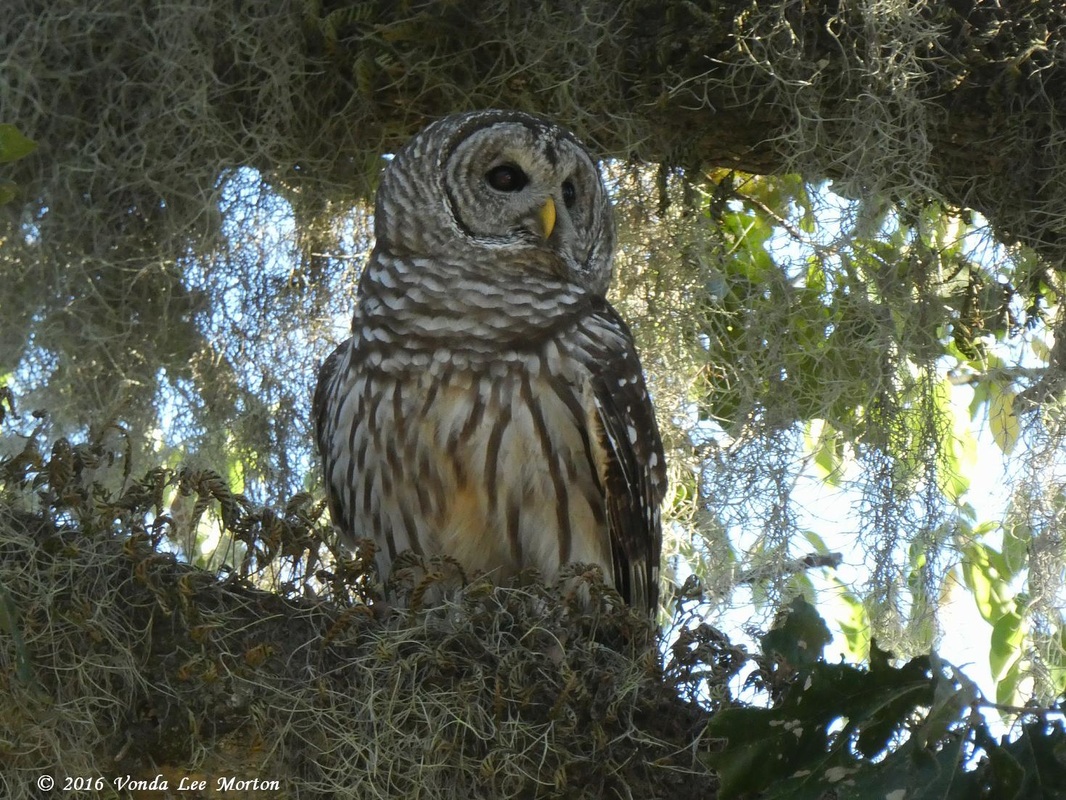
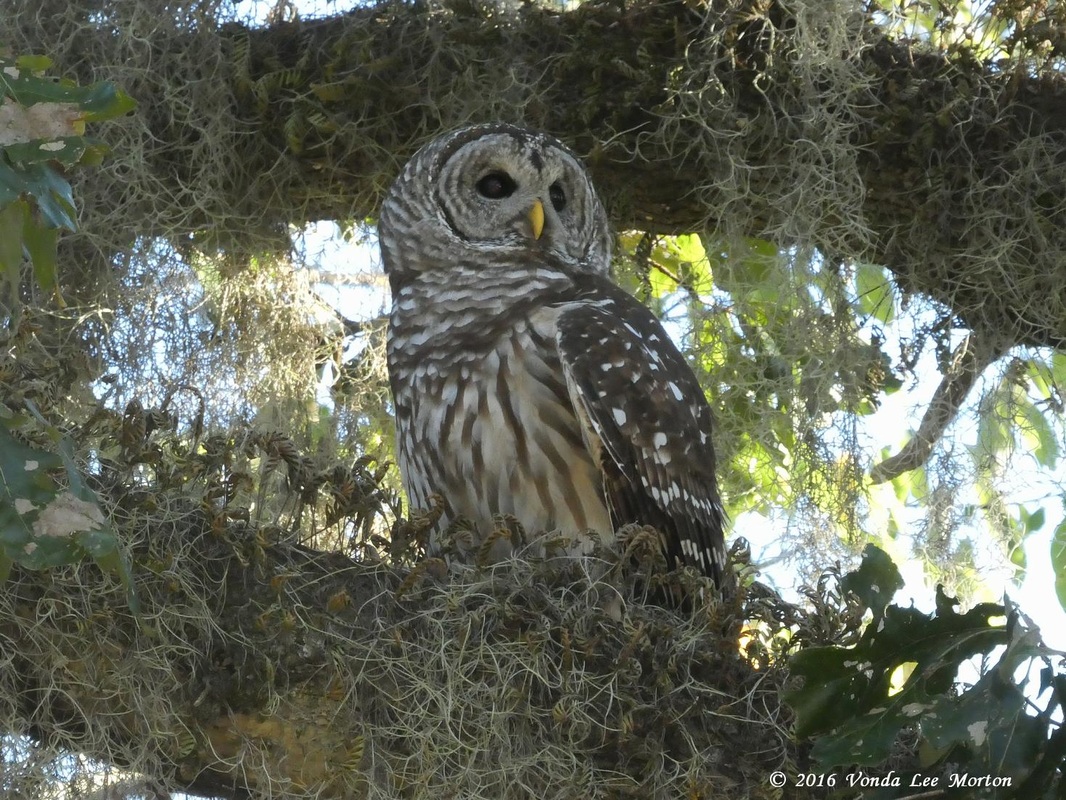
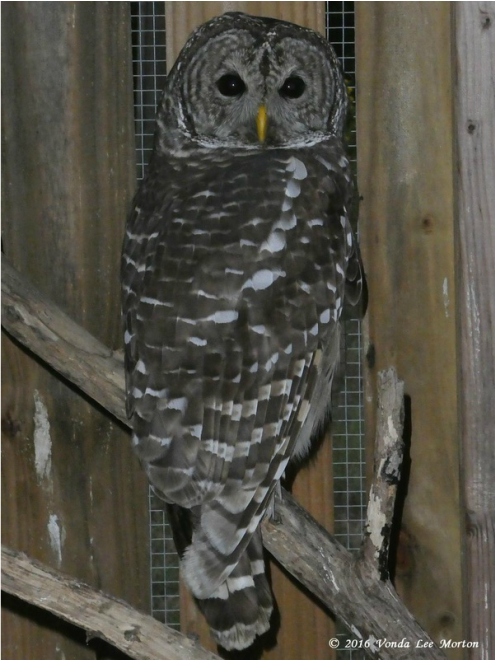
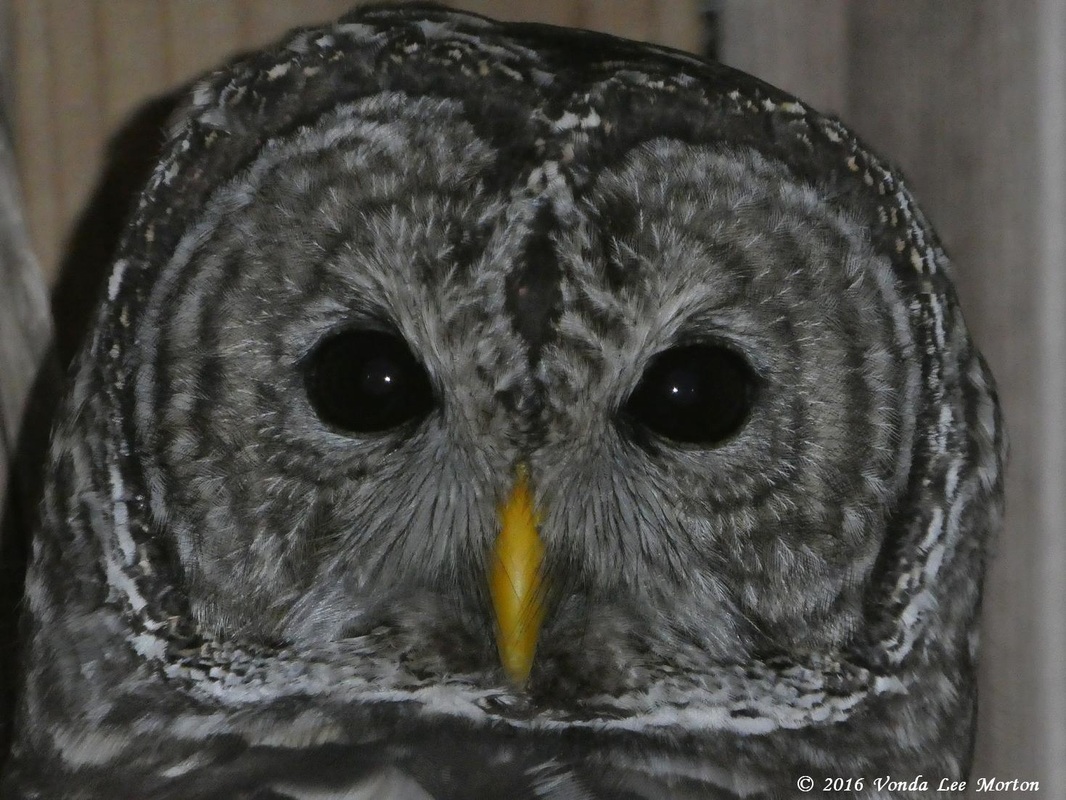
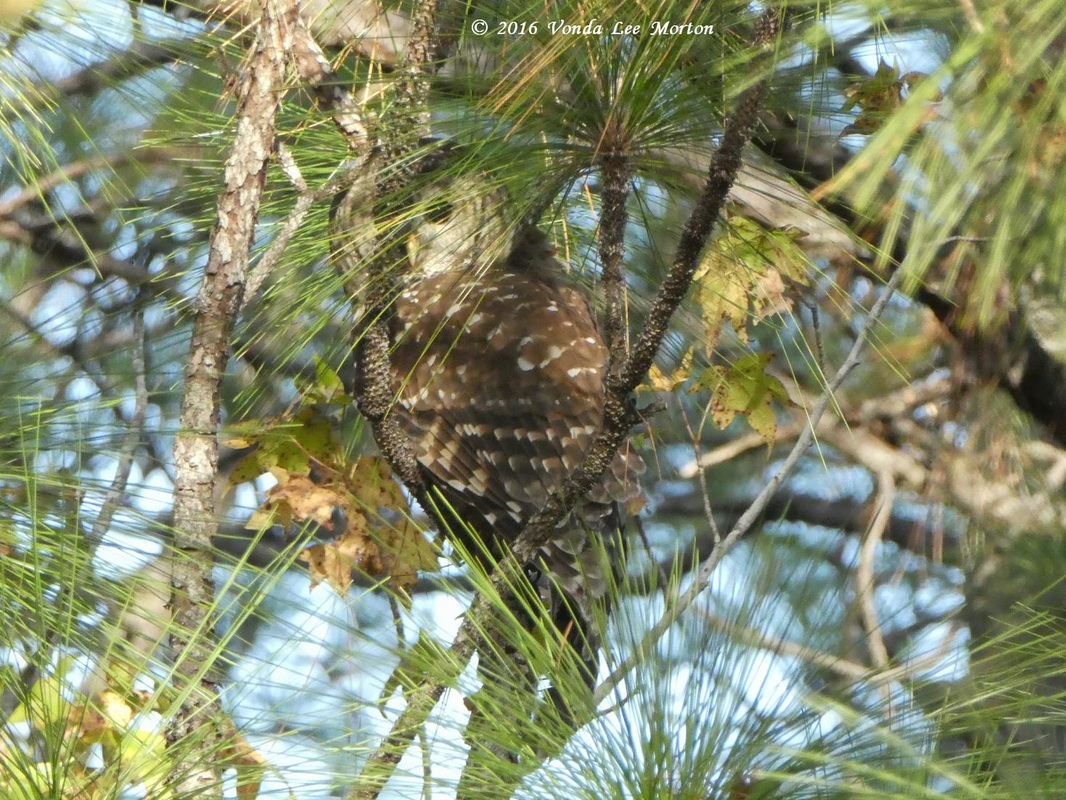
​…as was the barred owl whose wing had been tangled in fishing cord. Luckily, the feathers weren’t stripped, just mussed; once he’d had a chance to preen them well, aside from one broken feather, there was barely any noticeable damage and none that interfered with his flight capability.
Picture
Sorry for the less-than-ideal video and photos of their releases; neither bird was inclined to cooperate with the paparazzi.
​
And returning full-circle to the fundraiser, LWR has taken in 293 critters this year, nearly double the normal intakes for any given year. The barnies are up to 8 mice per feeding now, so that small order of rodents on its way won’t last long. Every donation, no matter how small, will help us care for the current “guests” at LWR and others that will come in between now and the end of the year—and remember, donations are tax-deductible! You can click on the Fundrazr link at the beginning of this update or on the PayPal link on this page to donate.
6 Comments

BABY BIRDS? In late October???

10/23/2016

2 Comments

 
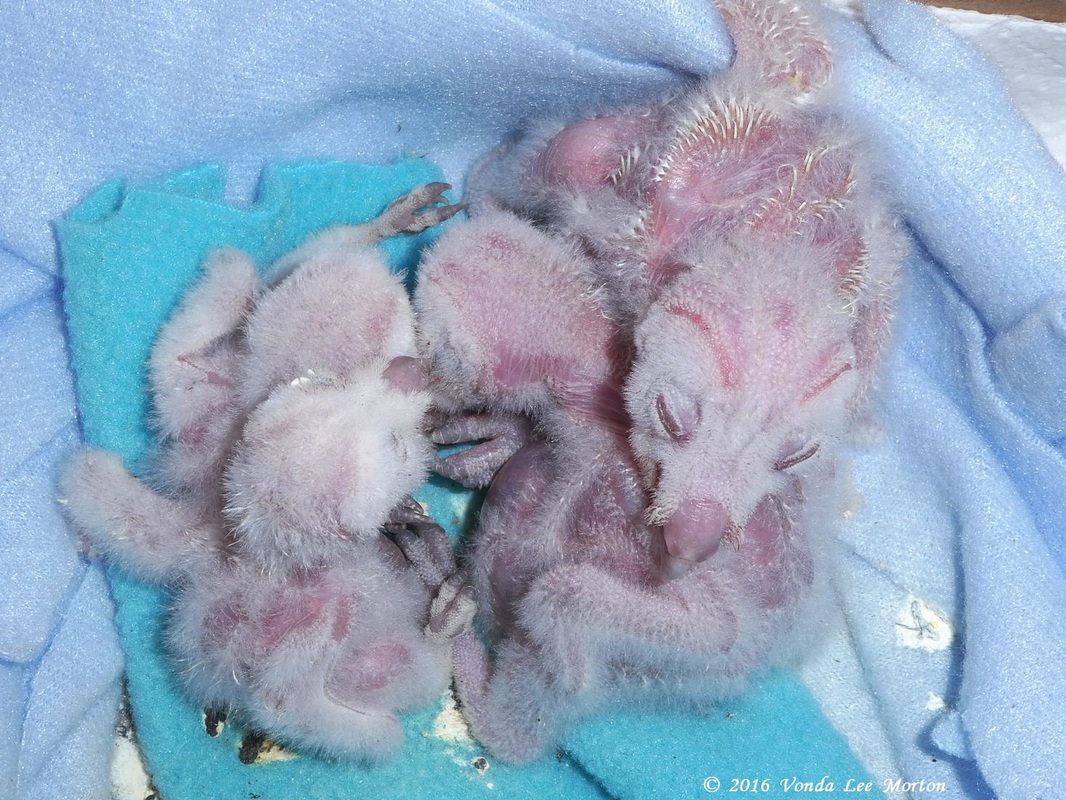
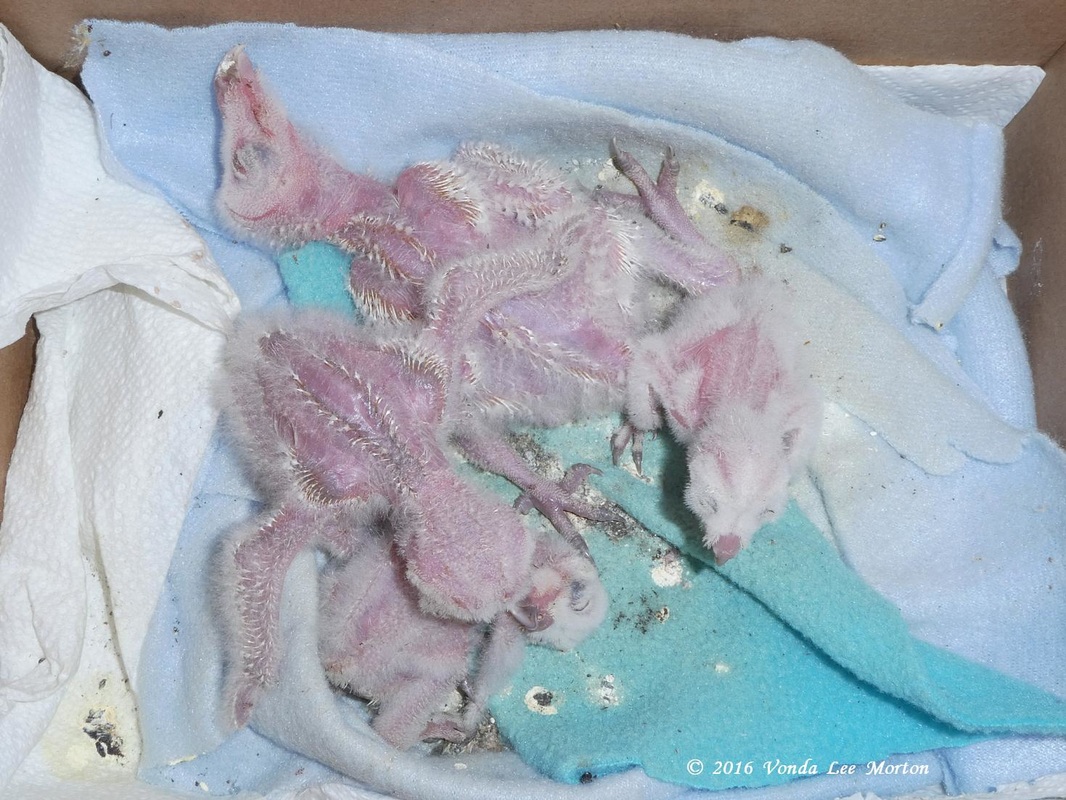
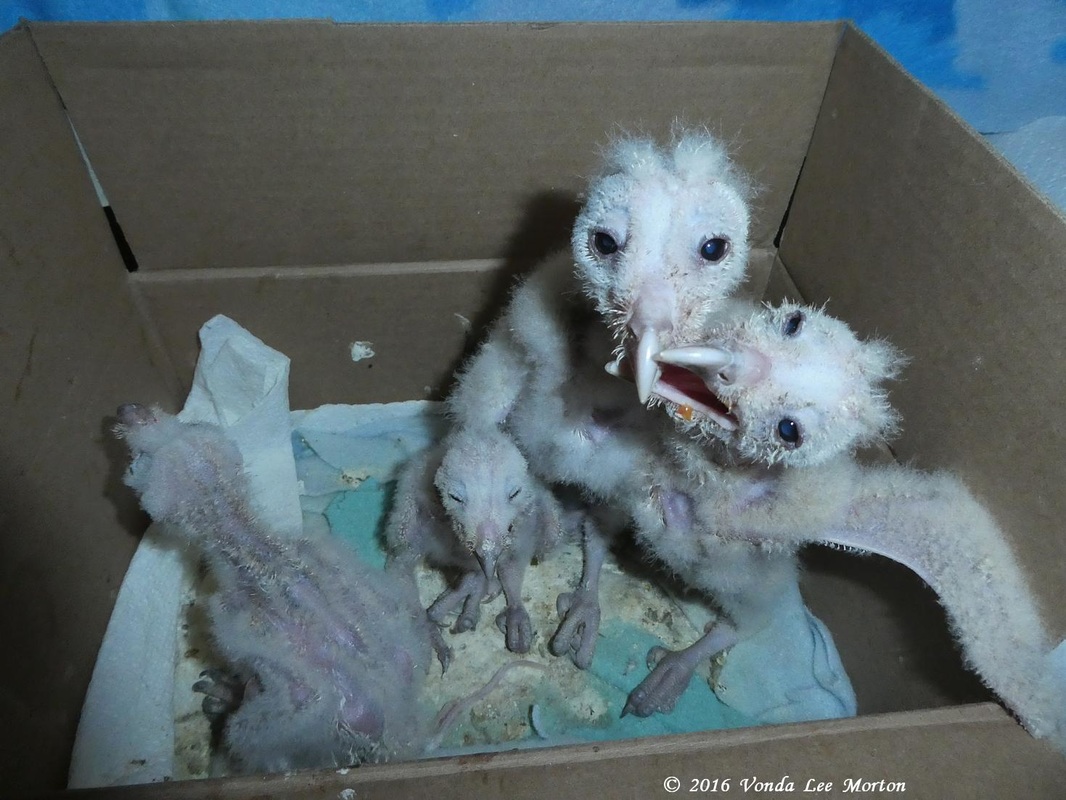
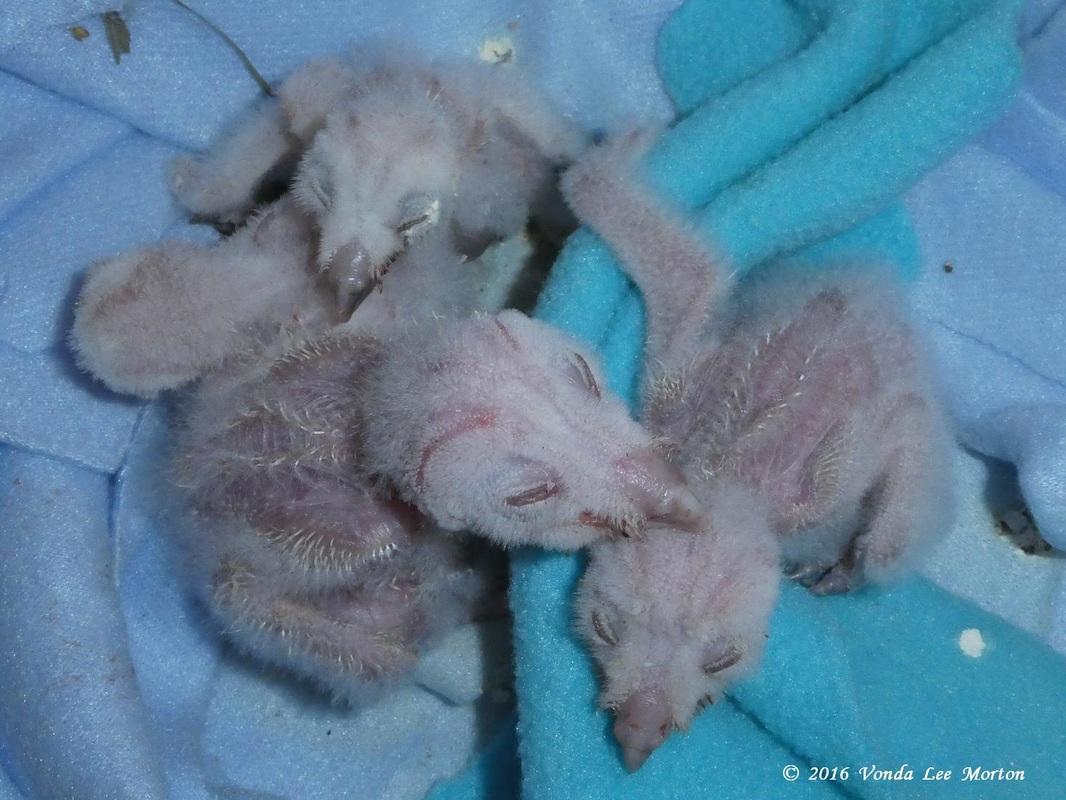
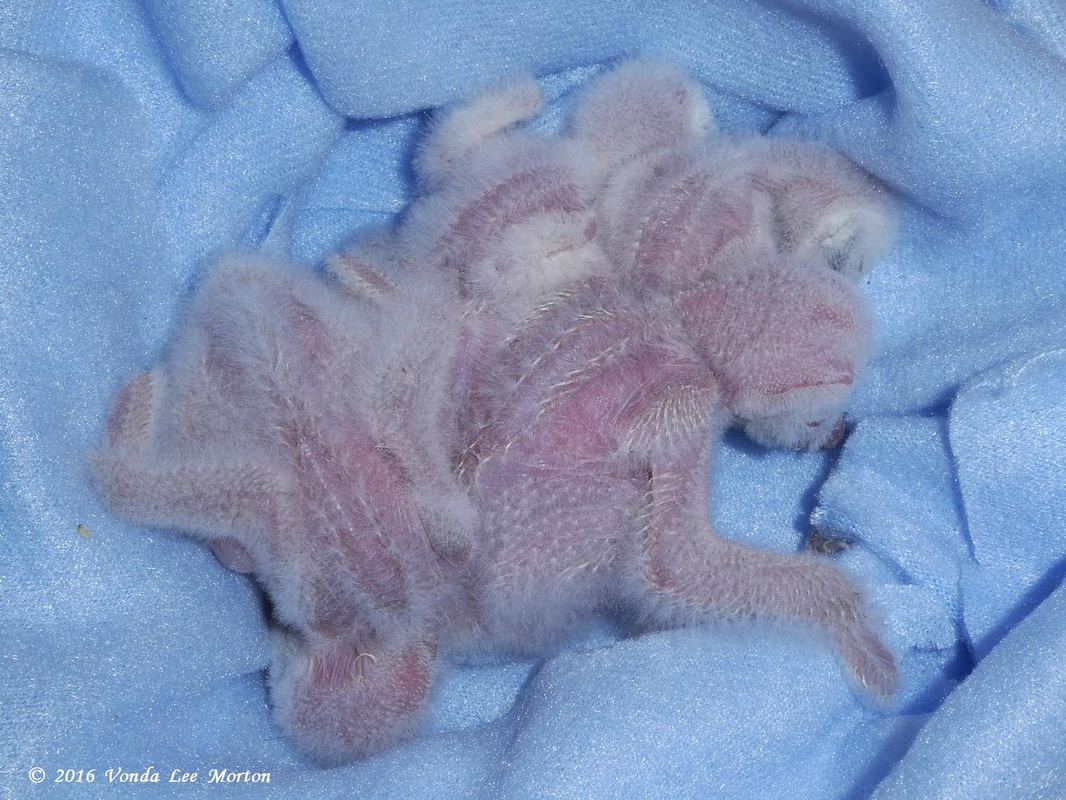
​Yep, there’s one species of bird—a raptor, specifically—that has no set breeding season; they breed based on food availability rather than length of day. So…yeah, as of late Saturday evening, it’s officially baby season, part 2. Four—FOUR!!—very recently hatched barn owls came in.
Picture
​Their finders said they were cleaning out around their deer stand and found these wee ones on the ground. Barnies don’t nest on the ground, so my best guess is the nest was in the deer stand and was blown out by the gusty winds we’ve experienced the past couple of days.
Picture
​(Again this week, no clue why a horizontally recorded video is flipped vertically…) As you can see, they’re all different sizes, which would, in other species, imply they’re not from the same clutch. BUT…unlike other birds, whose eggs all hatch within a 24-48 hour window no matter when they’re laid, barnie eggs hatch one at a time, one a day, in the order they were laid. So in this clutch, we have baby weights at intake of 16.7g, 21.4g, 48.1g and 62.8g. Nobody’s eyes are open yet, and even the 62-grammer still has a little scab where his yolk sac was, so they’re VERY young. 
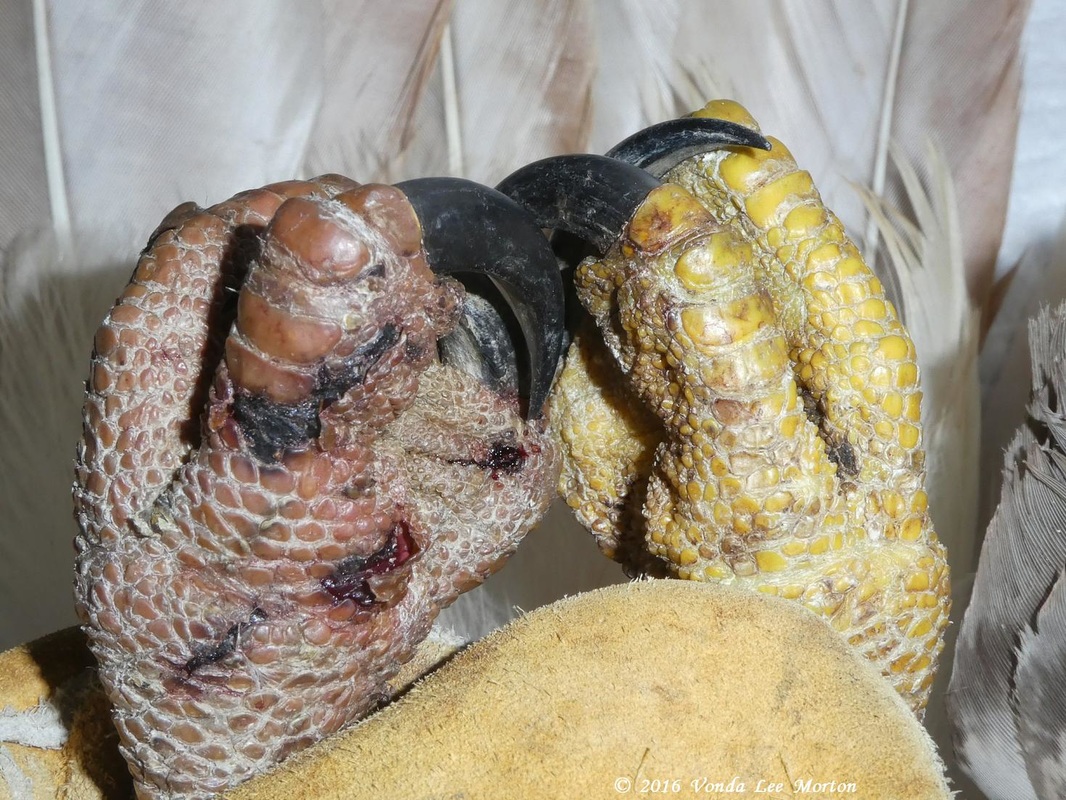
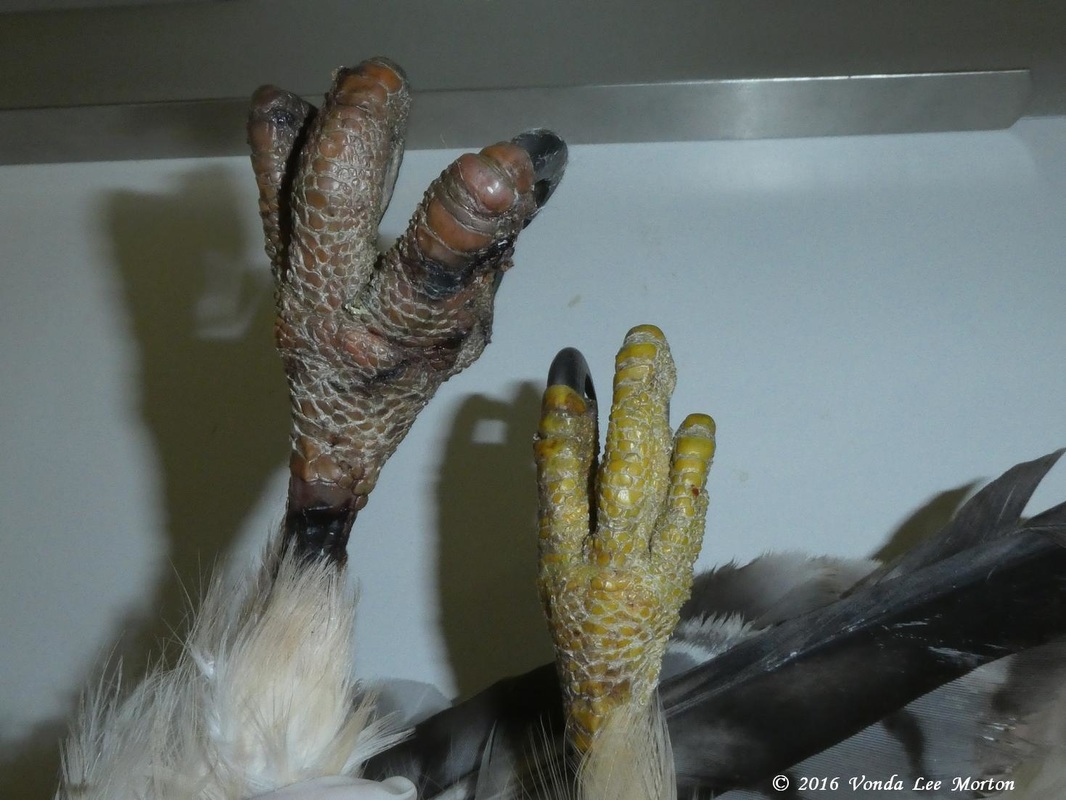
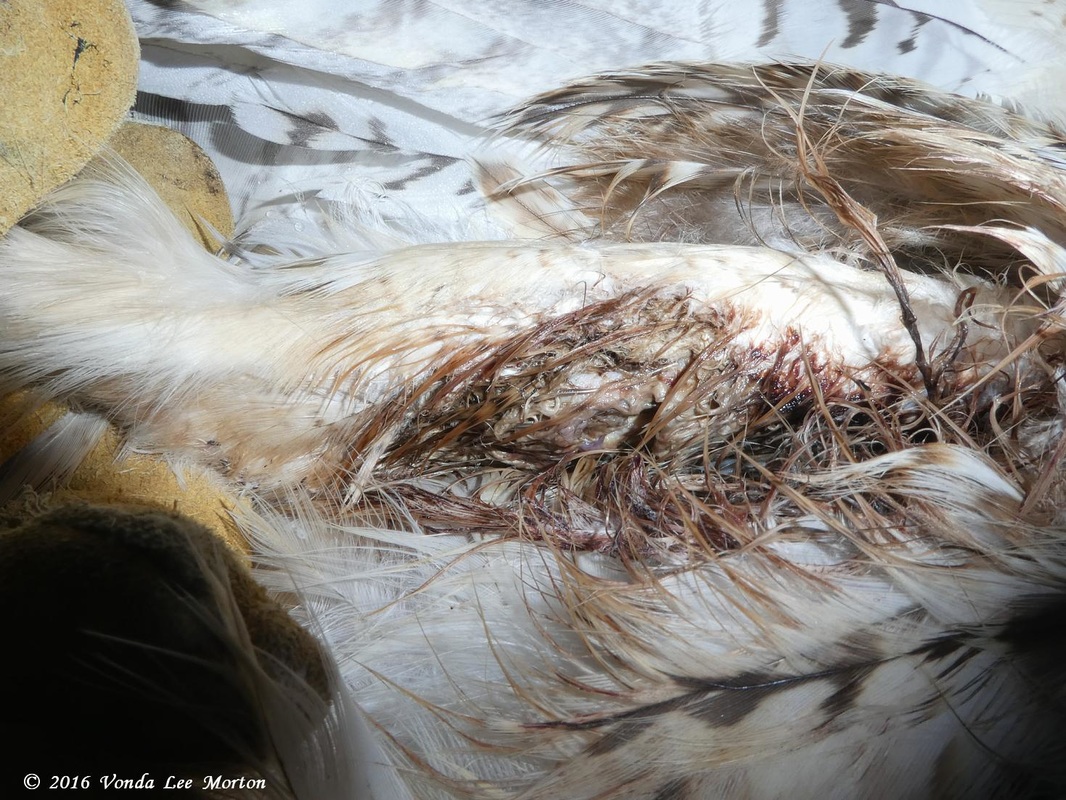
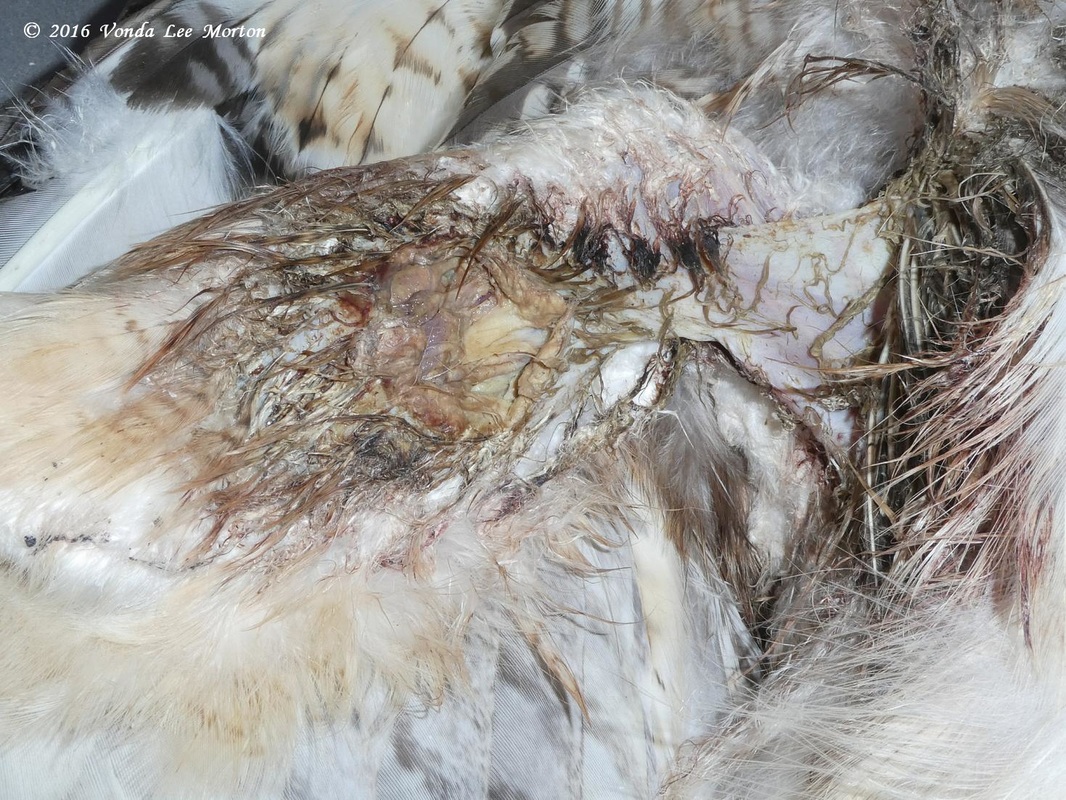
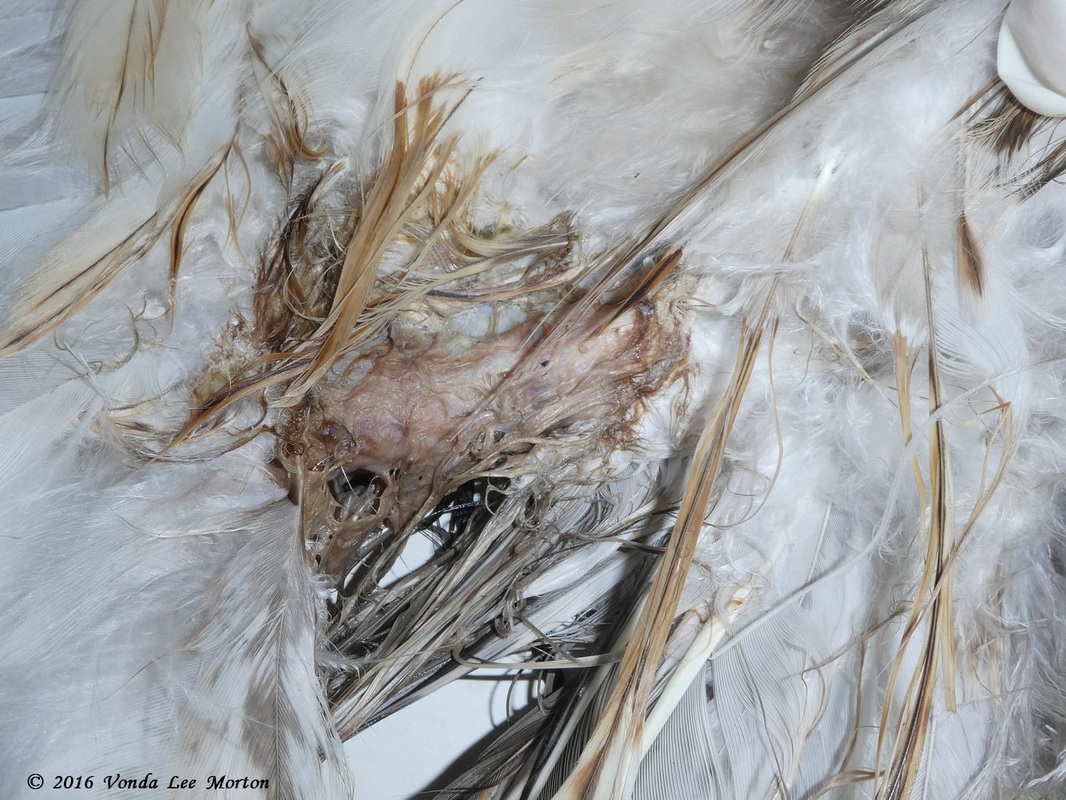
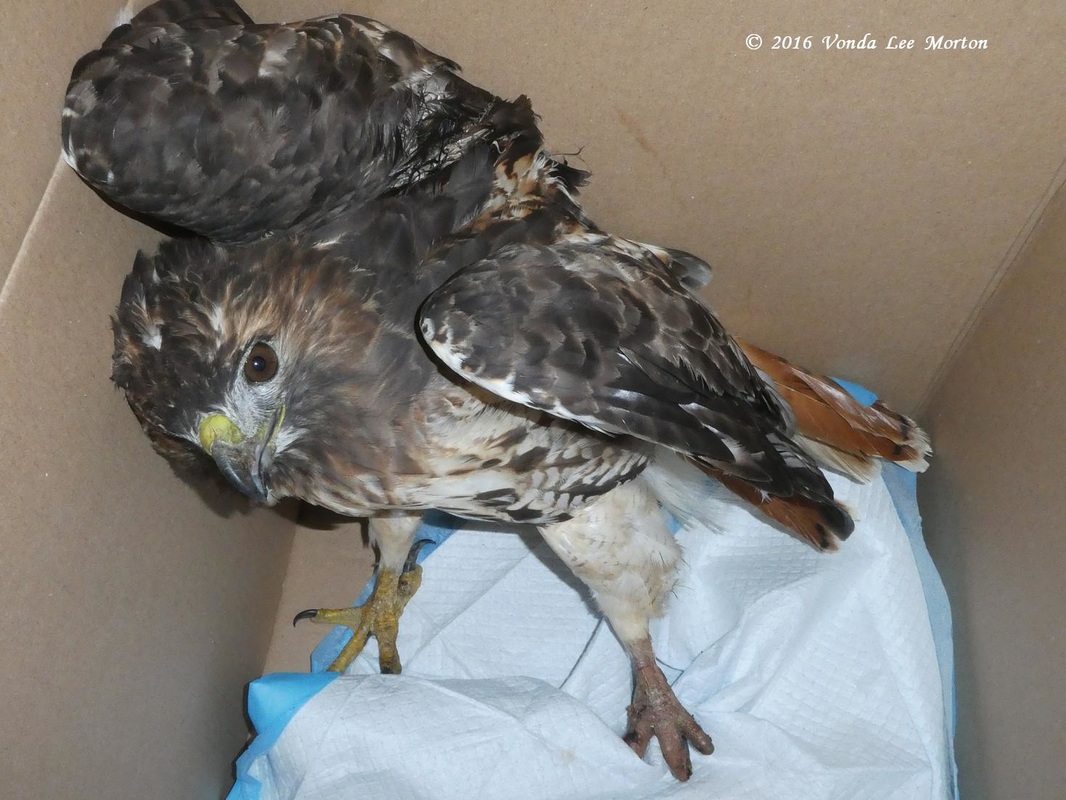
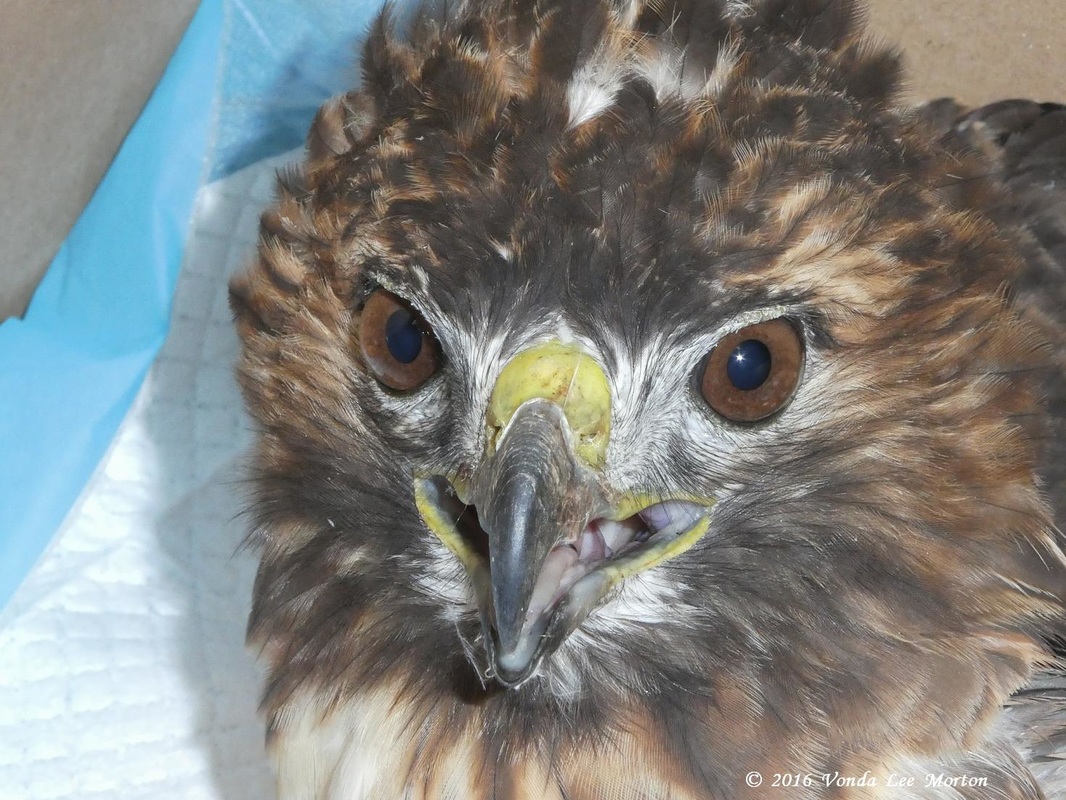
Late last Sunday, a gorgeous mature male red-tailed hawk came in covered with what appeared to be oozing abscesses and sporting a necrotic foot. While I was fairly sure all this was from grabbing the wrong end of potential prey—a gray squirrel, for instance—I wanted to be sure there was no birdshot in his body, as that’s always a possibility. 
Picture
Picture
Picture
Picture
Picture
Picture
​Monday he headed for Smalley’s Animal Hospital, where x-rays showed no lead, no fracture. And the abscesses, as nasty as they looked, were more than likely treatable, with lots of time and patience. However, vet Peggy Hobby, after examining the foot closely, agreed with my initial assessment of necrosis—the foot was dying; there was nothing we could do to treat it. It was too far gone. Sadly, our only humane option for this beautiful bird was euthanasia.
Picture
​But the red-tail who’d been reluctant to let me see her fly suddenly got really restless ahead of a weather change and decided to show me what she could do. Shortly afterward, she was released—no photos, as when I headed into the brush to get closer to the tree she landed in, she vamoosed! I did get a short and not that great video of the release, though.
​So now the Coop is in the raptor flight and given that he’s not at all reluctant to show me his flight skills, he’ll be released within a few days.
Picture
Picture
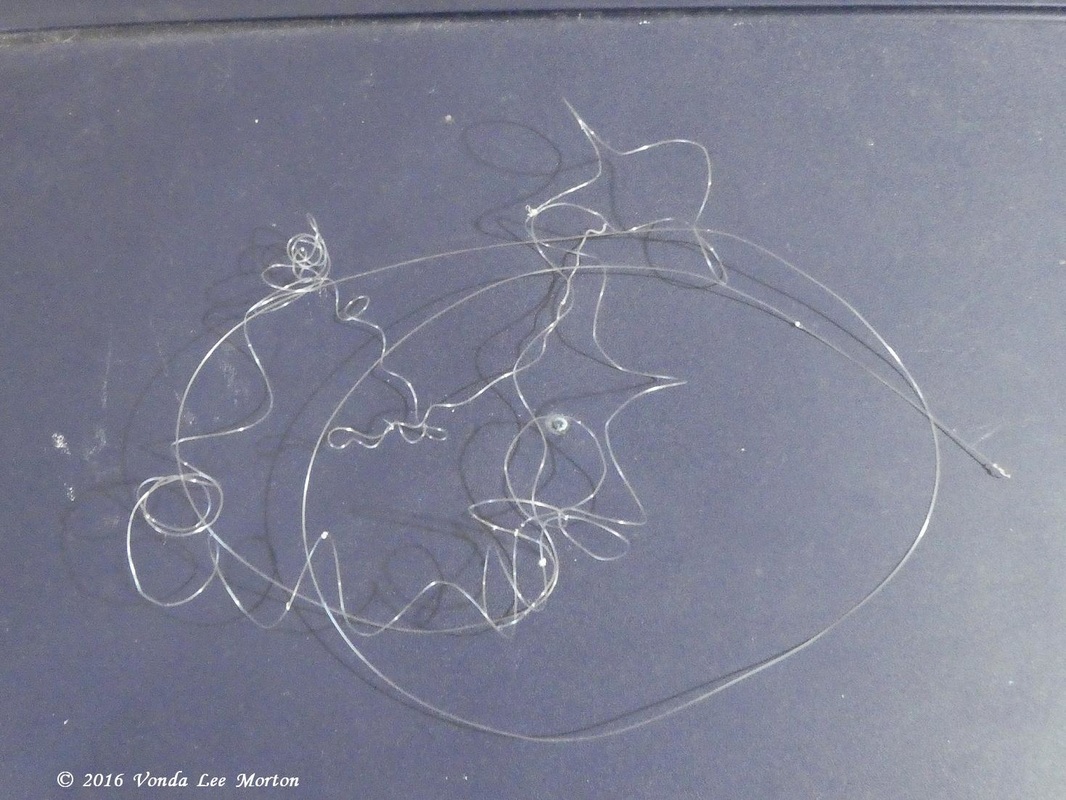
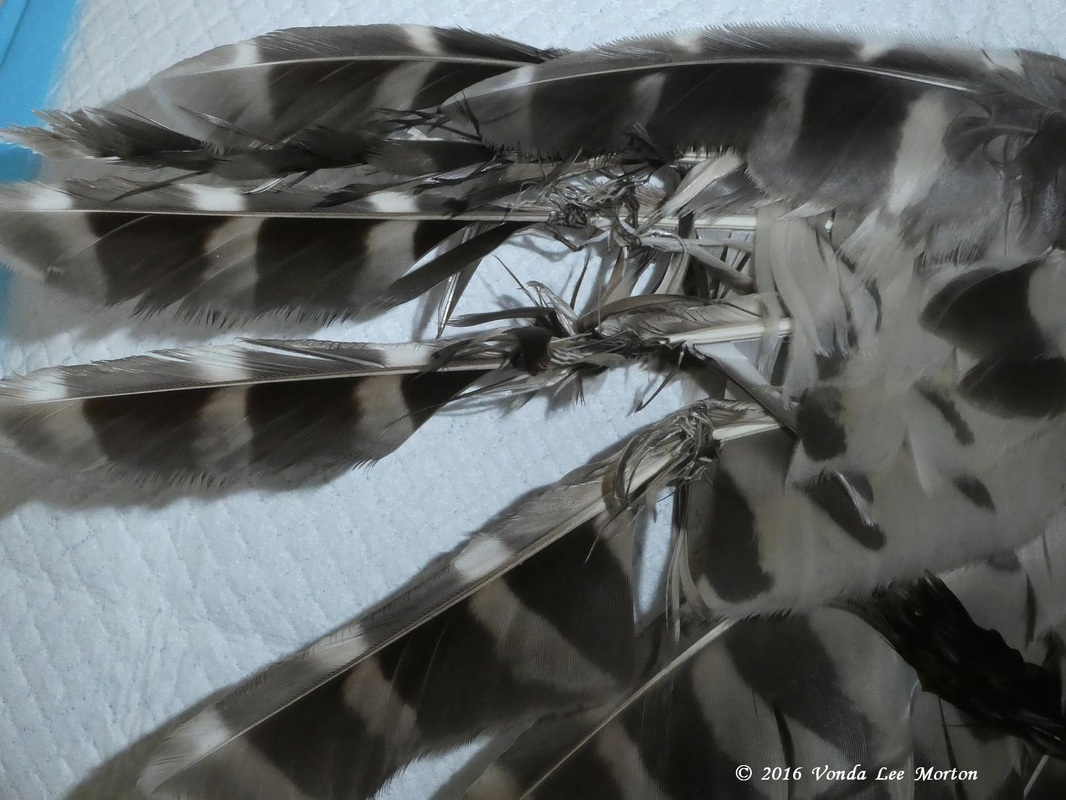
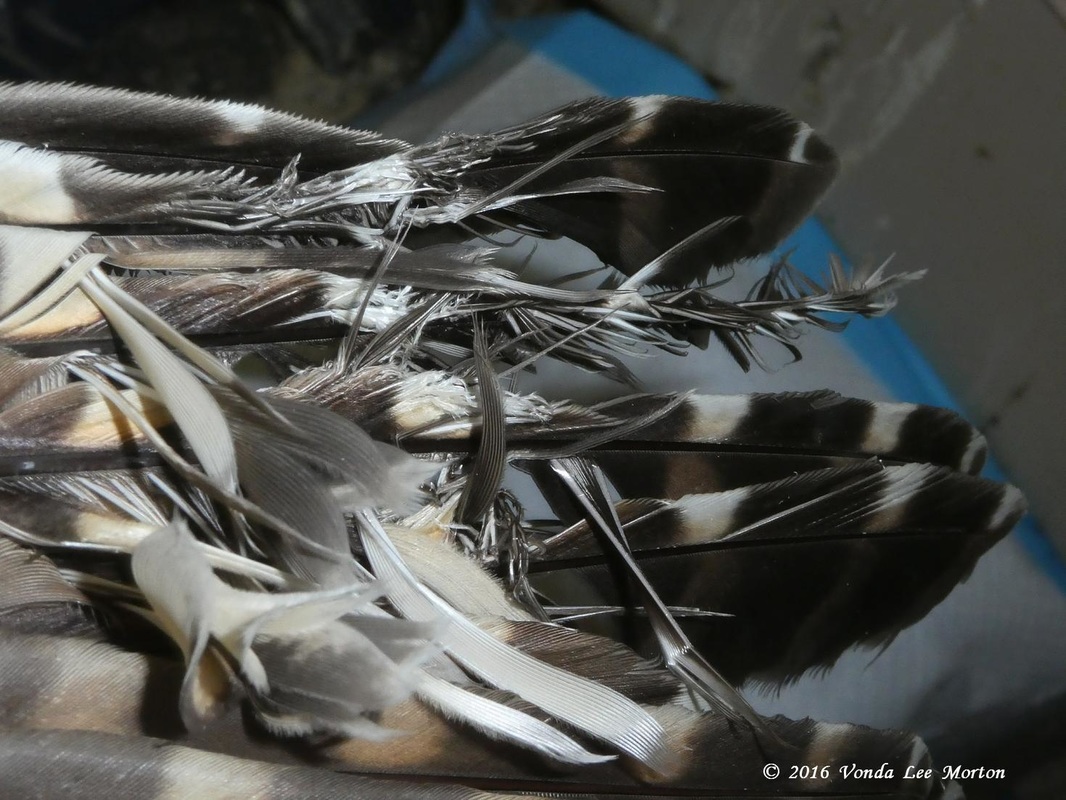
​Which is a good thing, as this barred owl needs his turn in the flight so he can be released, as well! This guy came in with fishing cord wrapped tightly around the flight feathers on his right wing. Wisely, his finders cut the CORD, not the feathers, and brought him to LWR with the cord still wrapped. They actually helped unravel it while I held him, and we pulled 90 inches—that’s 7.5 FEET—of cord off his wing. Luckily, it was wrapped only around the flight feathers, not the bone or flesh, so if he’s able to show me he can fly with those disheveled feathers, he’ll be released ASAP, too.
Picture
Picture
Picture
Picture
Picture
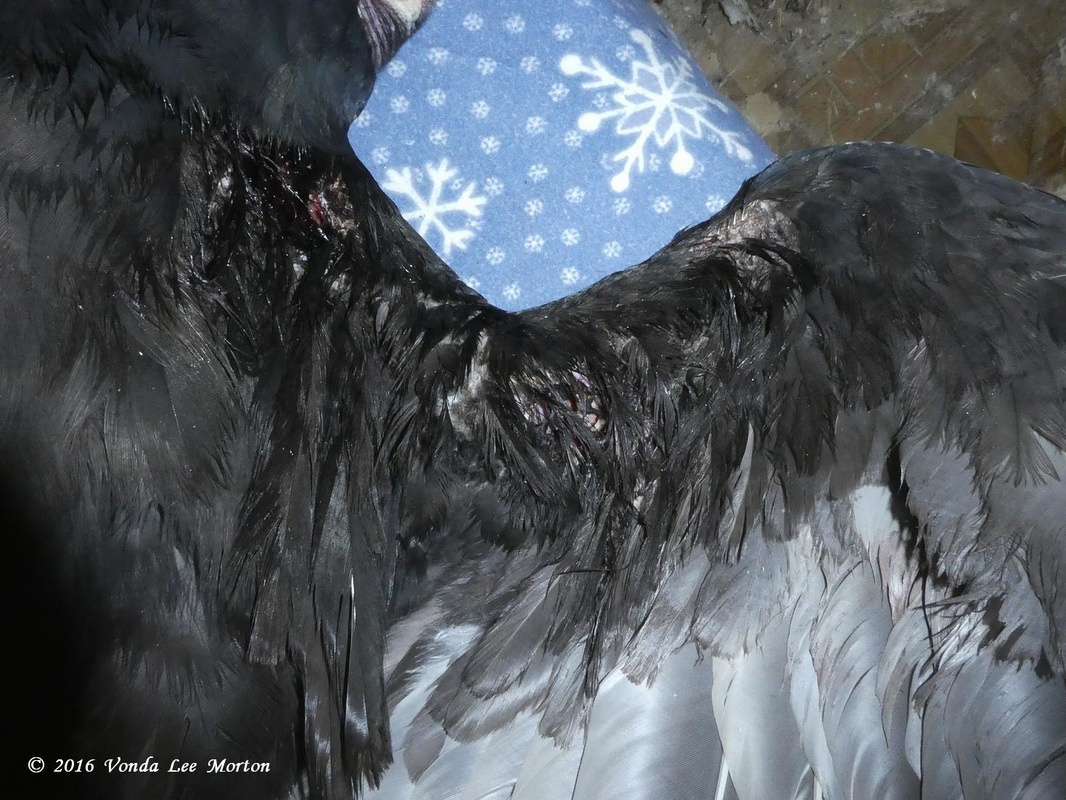
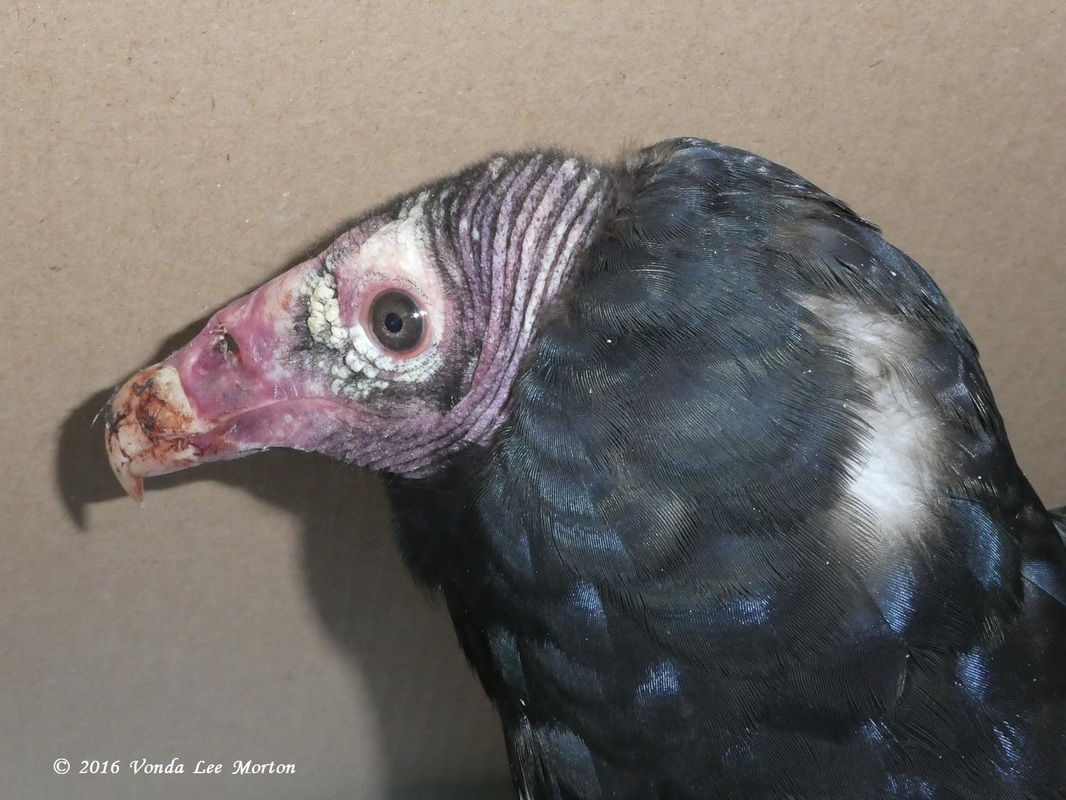
​Not sure exactly what happened to this turkey vulture; the wing doesn’t feel broken but it’s raw from the “armpit” almost the full length of the wing. Again, I worry about birdshot, so he’s going in for x-rays tomorrow to see if we can figure out what caused this wound.
Picture
Picture
Picture
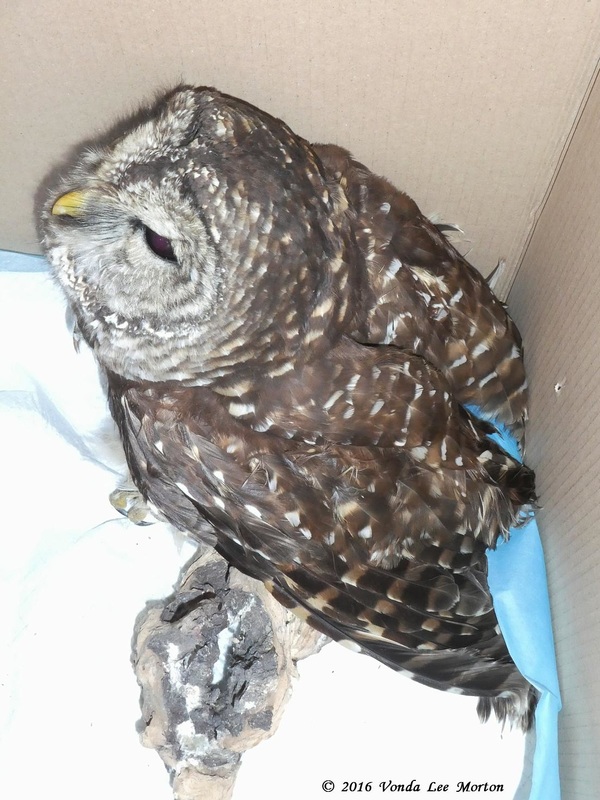
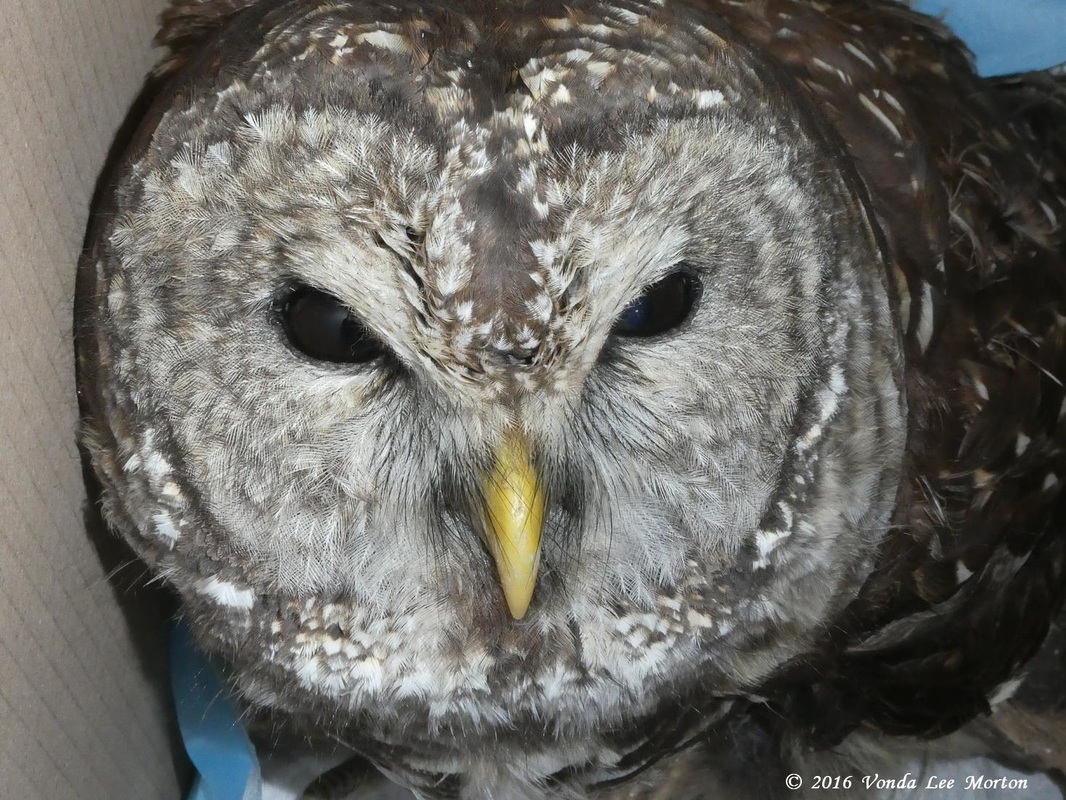
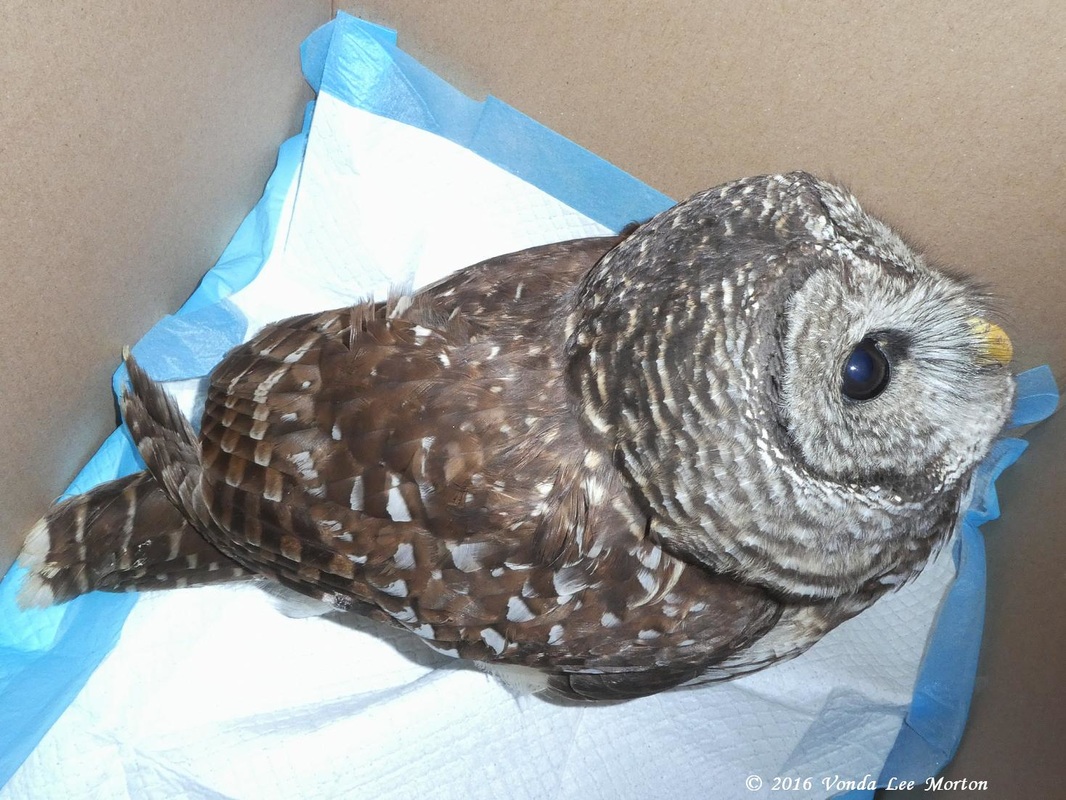
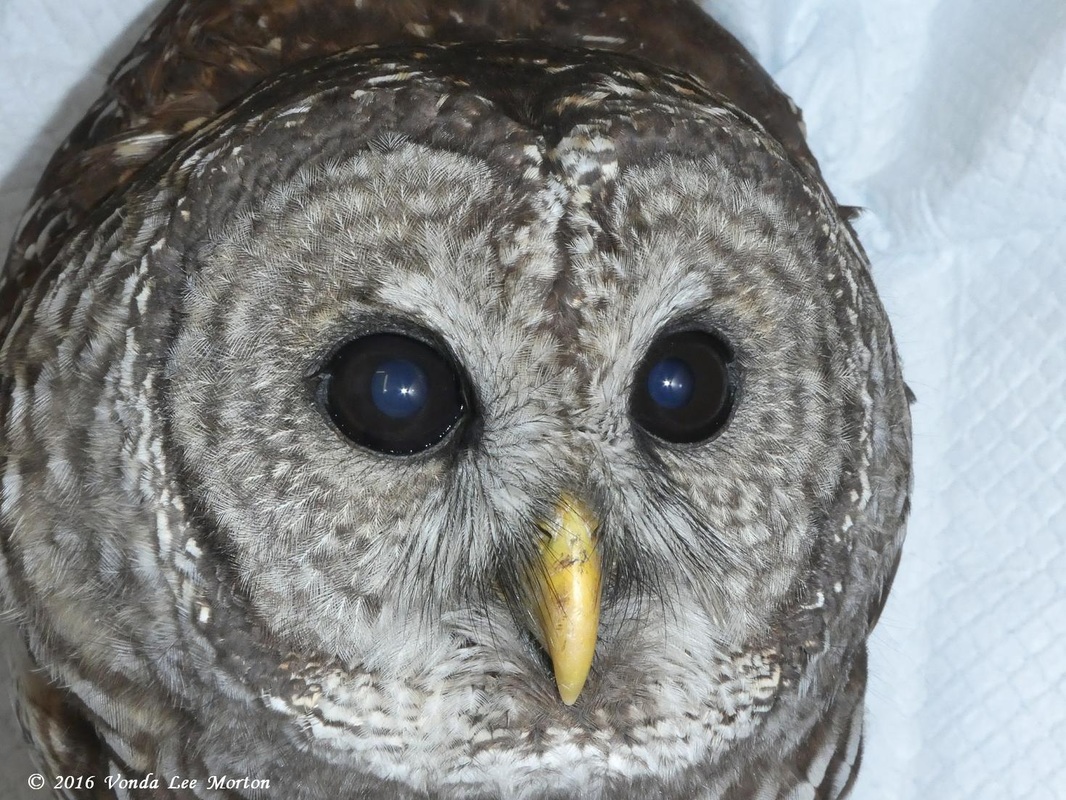
​He’ll be accompanied by this barred owl who was found by the road and feels as if he has a broken right wrist—again, we’ll know for sure after x-rays tomorrow.
Picture
Picture
​And would you believe an EIGHTH flyer came in last week? Colleagues John and Luanne Brooker in Washington County got in an “only” flyer and when I let Luanne know I had seven and a colony to release into, she sent her baby to be with my current crew. Just like the previous week, the newcomer was welcomed without so much as a squeal.  With the cooler weather this week, though, they’ve not been sprawled all over their bed—they’ve been hunkered under the blanket—so I lifted the blanket for the group shots this week; the other guy was in their play tunnel eating and had to check out the camera!
Picture
Picture
Picture
Picture
​Finally, although I hate to do two fundraisers in a year, the intake of those adorable barnies makes a second plea for funds necessary. I’d pretty much calculated what it would take to get LWR through till January and although it would’ve been cutting it close, we probably could’ve made it. But barnies have voracious appetites—as small as these babies are, they’re already eating three mice a feeding, every 4-5 hours, and as they grow, their appetites will increase accordingly. In other words, it’s gonna take a LOT of mice to feed these babies! And there’s just under $300 in the LWR account right now, not nearly enough to order the volume of mice I’ll need for these barnies, plus the proper foods for the flyers, who will probably need overwintering. So…with baby season, part 2, comes fundraiser number 2. The goal is $1500, so please donate generously to keep all these babies plus the ongoing adult intakes fed through the winter.
Powered by FundRazr
2 Comments

Steady as she goes…

10/16/2016

4 Comments

 
It was a fairly typical week at LWR: releases, new intakes, euthanasias, people totally ignorant of the geography of the state…
​
Leading with the releases, the barred owl who’d been a guest at LWR for a couple of weeks was released last Sunday about an hour before sunset. As antsy as she’d been, I was sure she’d bolt from the box and thought I was prepared, but I still barely managed to capture her flight to freedom on video!
​She sat there for less than five minutes while she got her bearings and—tired of being harassed by what sounded like nuthatches, although I never actually saw them—took off for deeper brush. 
Picture
Picture
Picture
​The last of the nestling mourning doves who came in back in the late summer was also released mid-week and is still hanging around the yard. He’s molting, so he looks a bit scruffy!
Picture
Picture
Picture
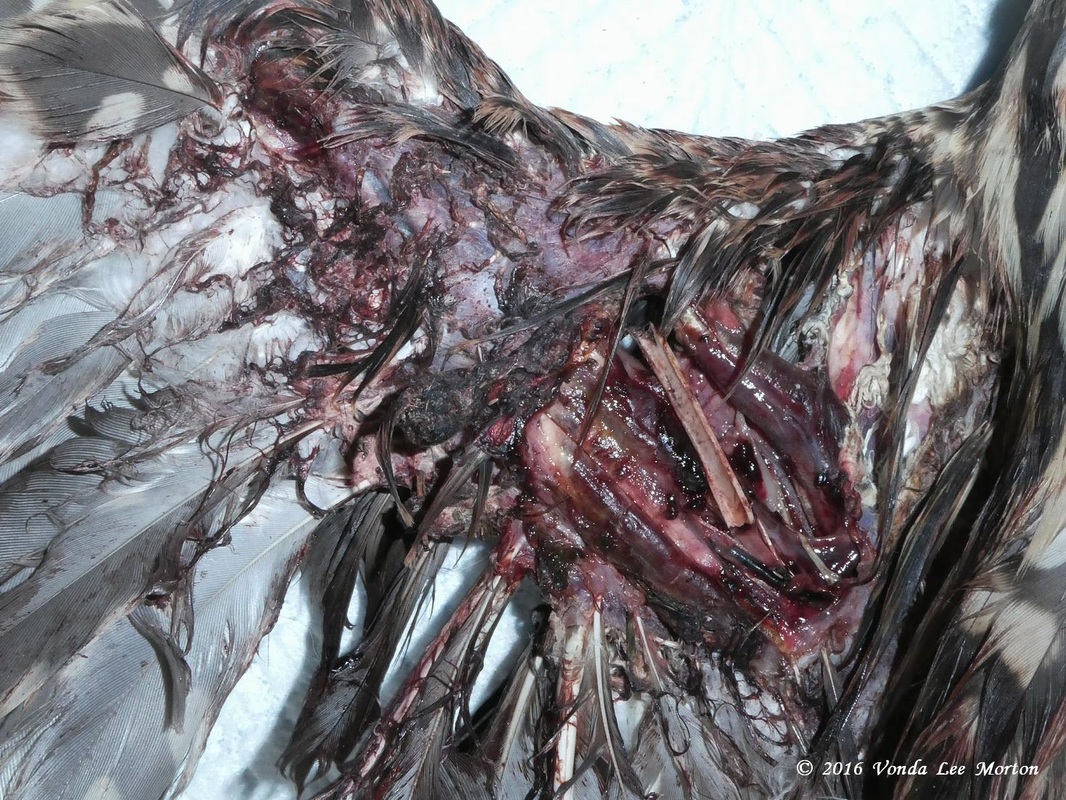
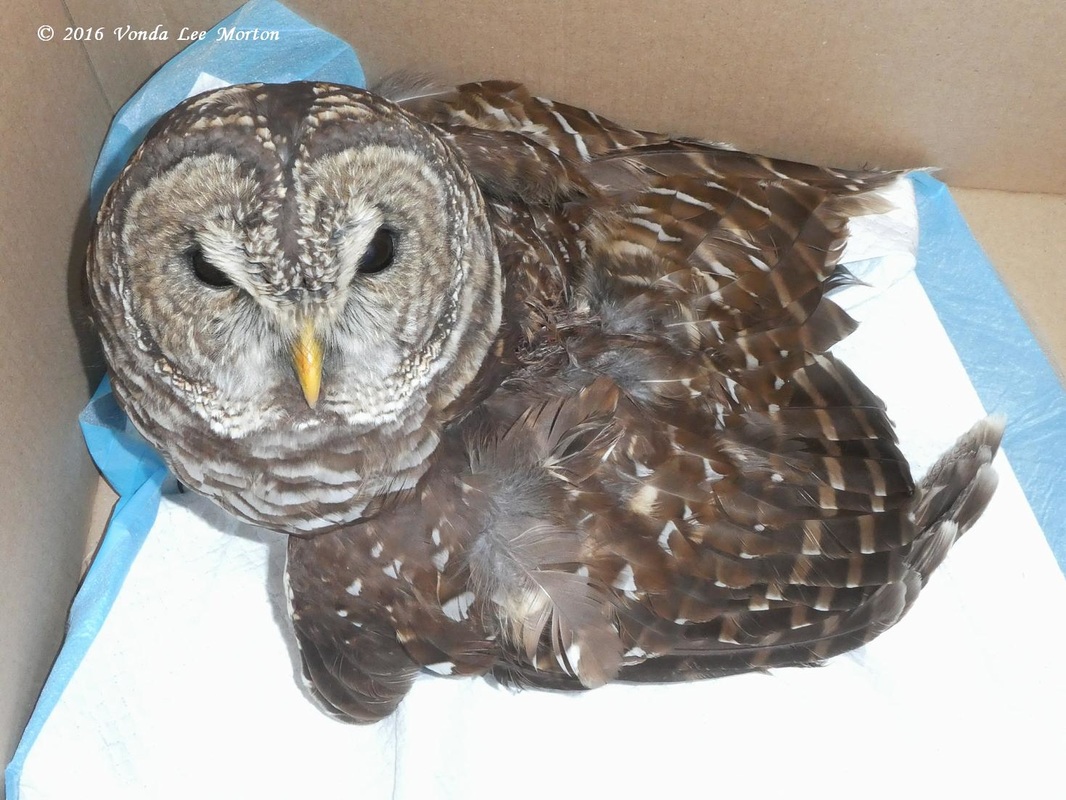
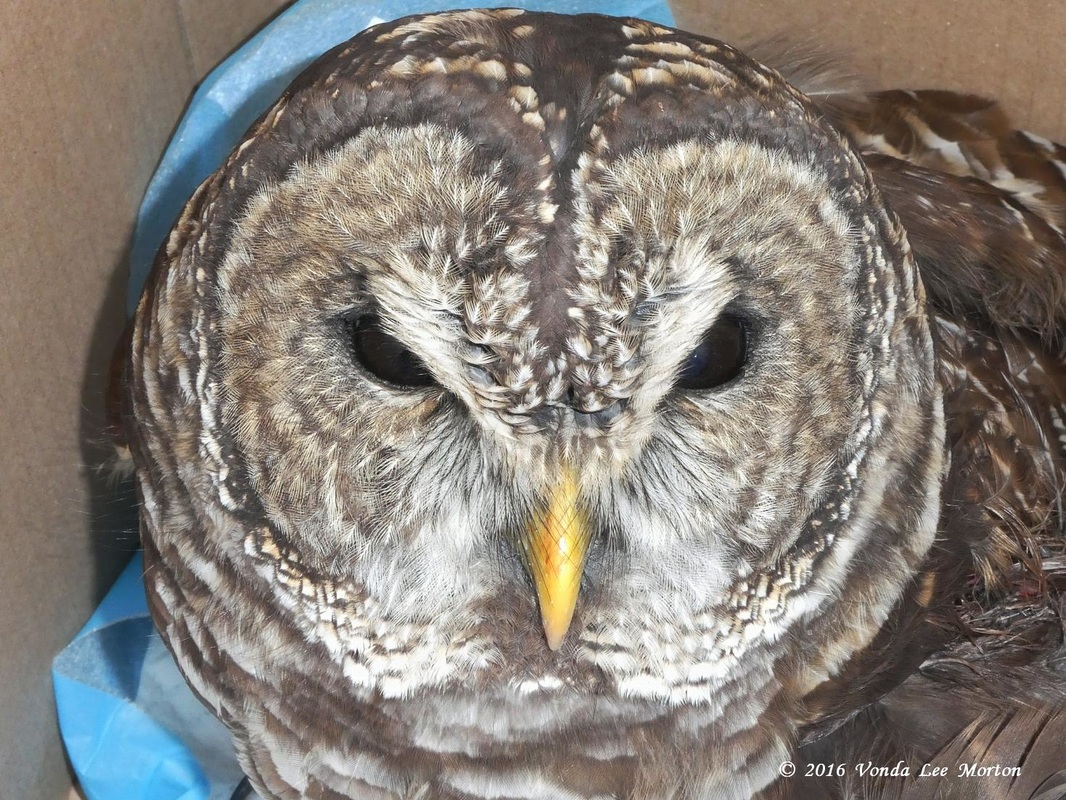
​Sadly, the barred owl from last week that was cut from barbed wire with no anesthesia by the people who found him required euthanasia. I was afraid this would be the case, as the skin was in tatters and the tendons and ligaments looked to’ve been hacked to bits in the process. Vet Richie Hatcher of Smalley’s Animal Hospital examined the wing and shook his head. “There’s nothing we can do with this.” The photos  of the wing below were taken after euthanasia.
Picture
Picture
​And this juvenile mourning dove was found in people’s carport. They thought he had a broken leg; actually, both legs and feet were deformed—a nest injury that wouldn’t have been noticeable until he fledged and couldn’t walk or perch. You can see scabbing on the most deformed leg where he’d tried to walk. Given his disheveled feathers, I suspect he’d also been cat-attacked. Again, after examining the dove, Richie agreed with my initial assessment that euthanasia was required.
Picture
Picture
Picture
​With the release of the healthy barred owl, the raptor flight, like a Depression-era flophouse, barely had time to cool before the red-tailed hawk moved in. He’s stubbornly refusing to let me SEE him fly. I know he moves from one end of the flight to the other to get his food, as I place it at the opposite end from wherever he’s perched—so he HAS to come get it. But the stubborn rascal won’t SHOW me he’s flying, and I need to see him in flight before I’ll release him. Maybe next week…
Picture
Picture
Picture
Picture
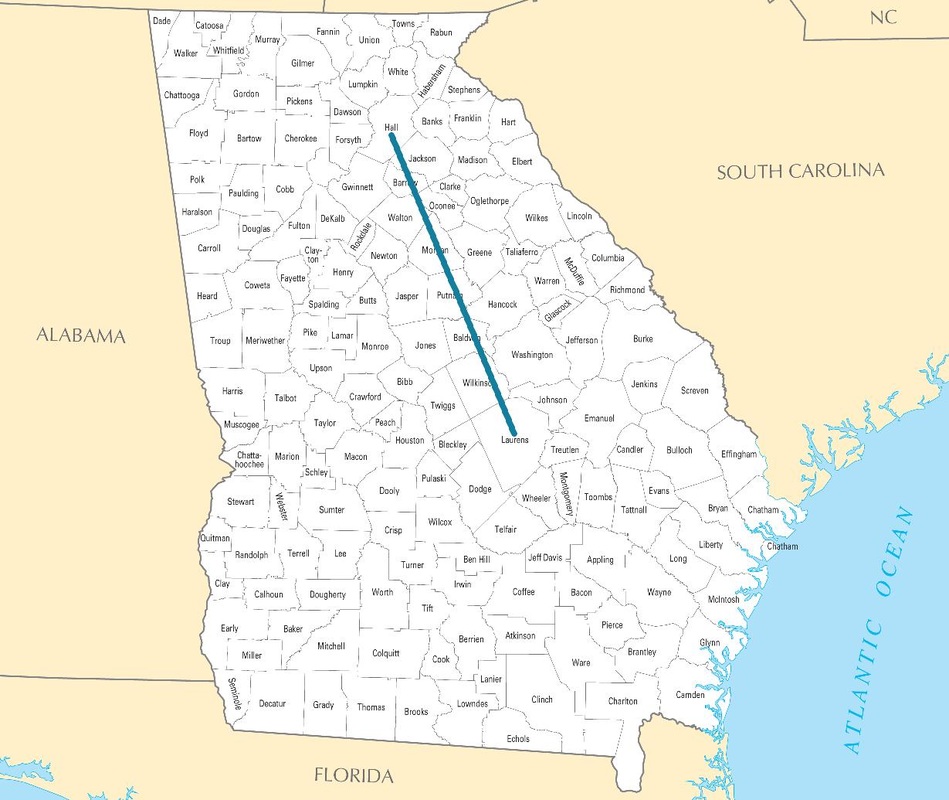
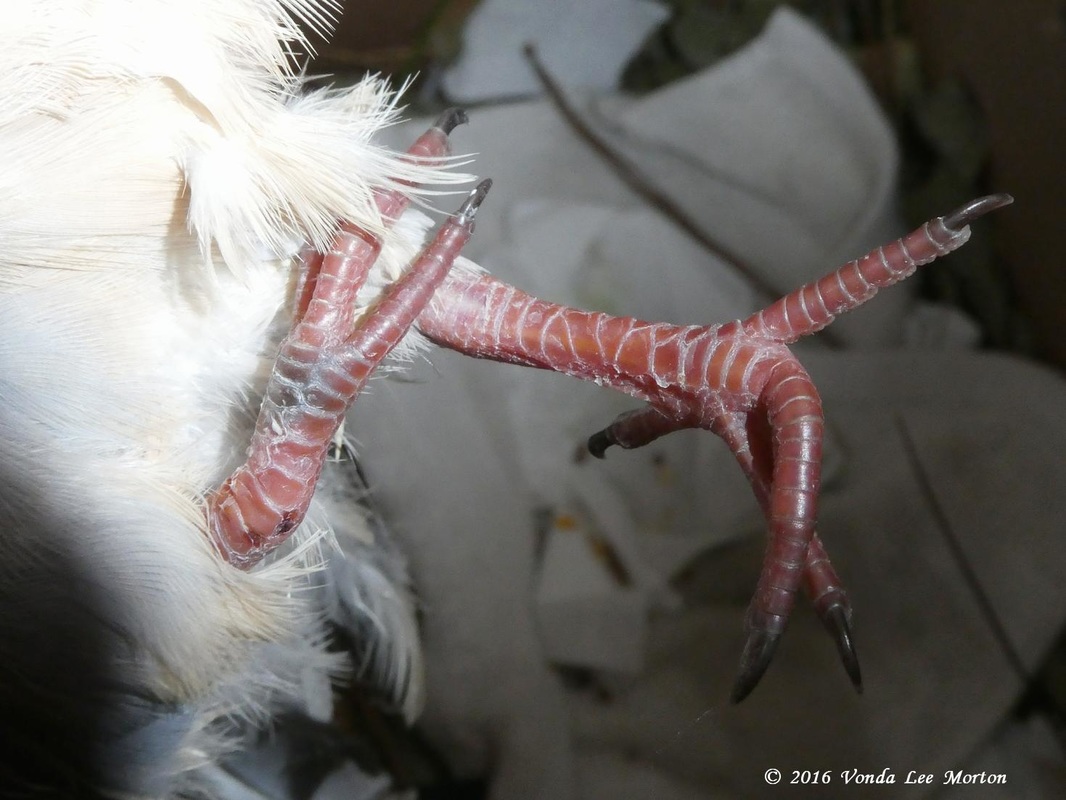
And now let’s soapbox for a moment, shall we? People, please explain to me just HOW you can live in a given state for any length of time and not have some dim notion of its general geography. How? I mean, really? Just yesterday I got a call from Hall County—see map below for the distance between Hall and Laurens Counties. The caller was irate that I wouldn’t drive all the way to Hall County to get the injured bird in her yard. There were closer options for this caller had she bothered to stay on the line and let me direct her to the list of rehabbers in the state but she chose to cop an attitude, get rude and hang up.

Folks, Georgia is the largest state east of the Mississippi. Look at its size. I’m one of about NINE songbird rehabbers in the state and one of about EIGHTEEN raptor rehabbers in the state (effectively nine, as half the raptor rehabbers are vets who do triage only). Do you see why I don’t pick up birds anymore?

I tried for years to at least meet people halfway, but even that lessened the quality of care I provided to the birds currently under my care and seriously impacted the time I had for my paying job—because remember, rehabbers don’t receive salaries from the state or feds; most of us do have to work to pay the bills and keep the lights on. If I’m to be an effective rehabber, I need to actually be on the premises caring for the birds here now. I can’t drive all over the state, nor can any other rehabber. Even if finances weren’t an issue, we have to put the critters currently in our care first; it’s up to the public to get the wildlife they find to us.
​
And for God’s sake, learn something about the geography of your state so you have some idea of the distances between various points in the state. Honestly, that should’ve been taught in 4th grade; that’s when I learned it…
Picture
​Moving on to more pleasant topics—certainly cuter!—yet another flyer came in this week, making a total of seven now. And in typical flyer fashion, the newcomer was greeted with enthusiastic grooming—see video below. This is one of the major behavioral differences between grays and flyers: after a certain age, grays bark and squeal at newcomers and are just generally obnoxious to ‘em. Flyers, being social creatures, adopt a “the more, the merrier” attitude. (No clue why YouTube opted to turn it vertically; it played horizontally on my computer when I uploaded it...)
​Even when they tussle over food, it’s less violent than grays.
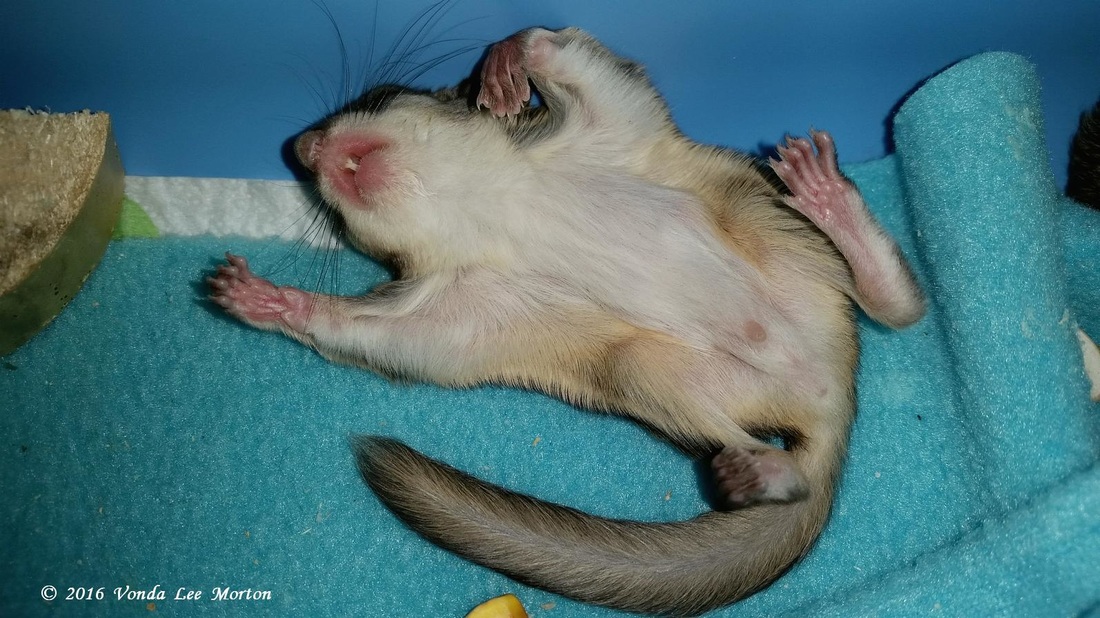
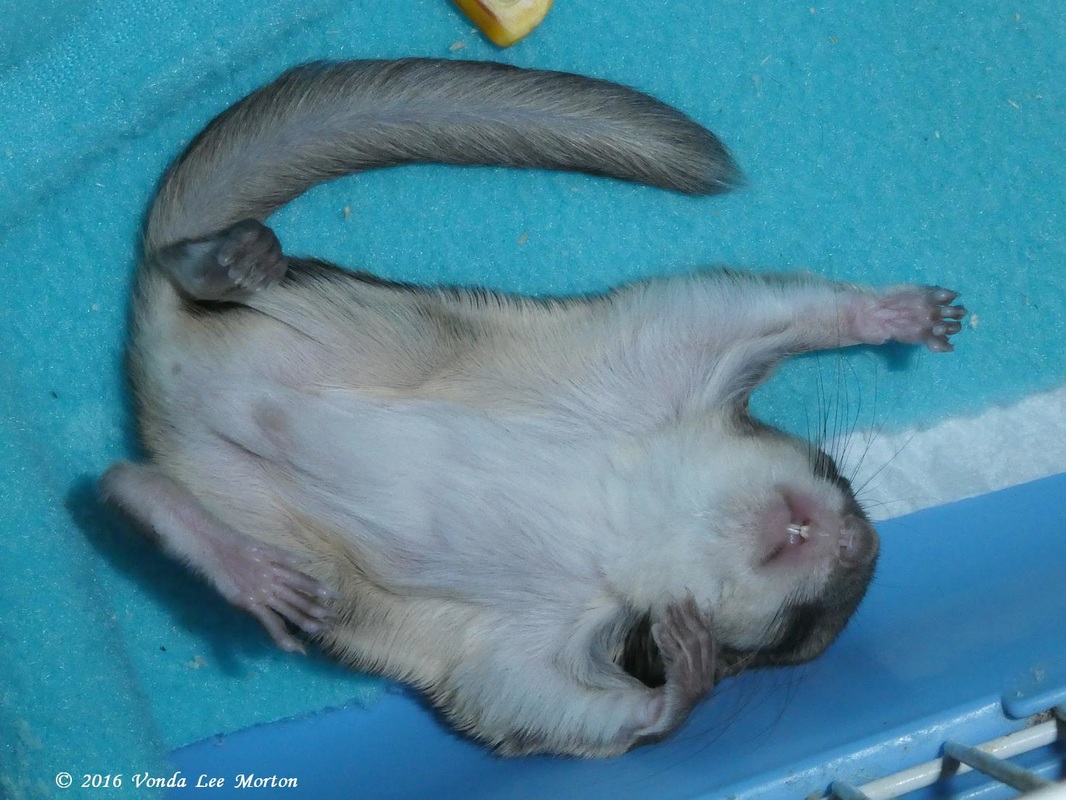
​They’re adorable when they sleep…
Picture
Picture
Picture
Picture
Picture
Picture
Picture
Picture
​…and when they eat…
Basically, they’re just adorable, period.
​
As a bonus, you never know what’ll show up at the feeders; I caught this mole scrabbling around below one of the feeders this week, totally oblivious to me kneeling down to video his activity.  Based on that glossy fur, I’d say he’s probably a frequent visitor to the feeders, taking advantage of what the birds and squirrels knock out!
4 Comments

A mixed bag this week

10/9/2016

4 Comments

 
​Let’s just start with a release today, shall we? The screech finally decided to fly the coop last Sunday night, so bright and early Monday morning the barred owl went into the raptor flight, where she’s spent the past week convincing me she’s good to go—her release is slated for just a few hours from now!
Picture
Picture
Picture
Picture
​As soon as she’s out, the red-tail will go in and have a chance to convince me he’s good to go, as well. Then the Coop, after we get that wing fracture x-rayed one more time to confirm healing is actually taking place.
 
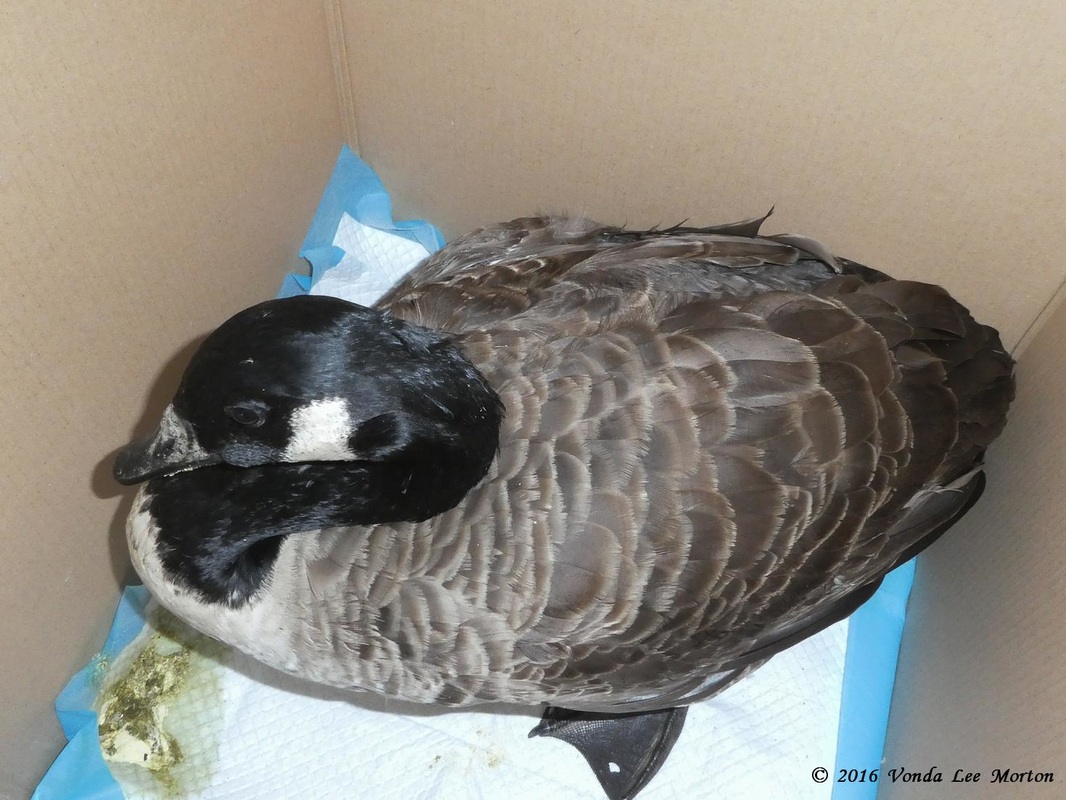
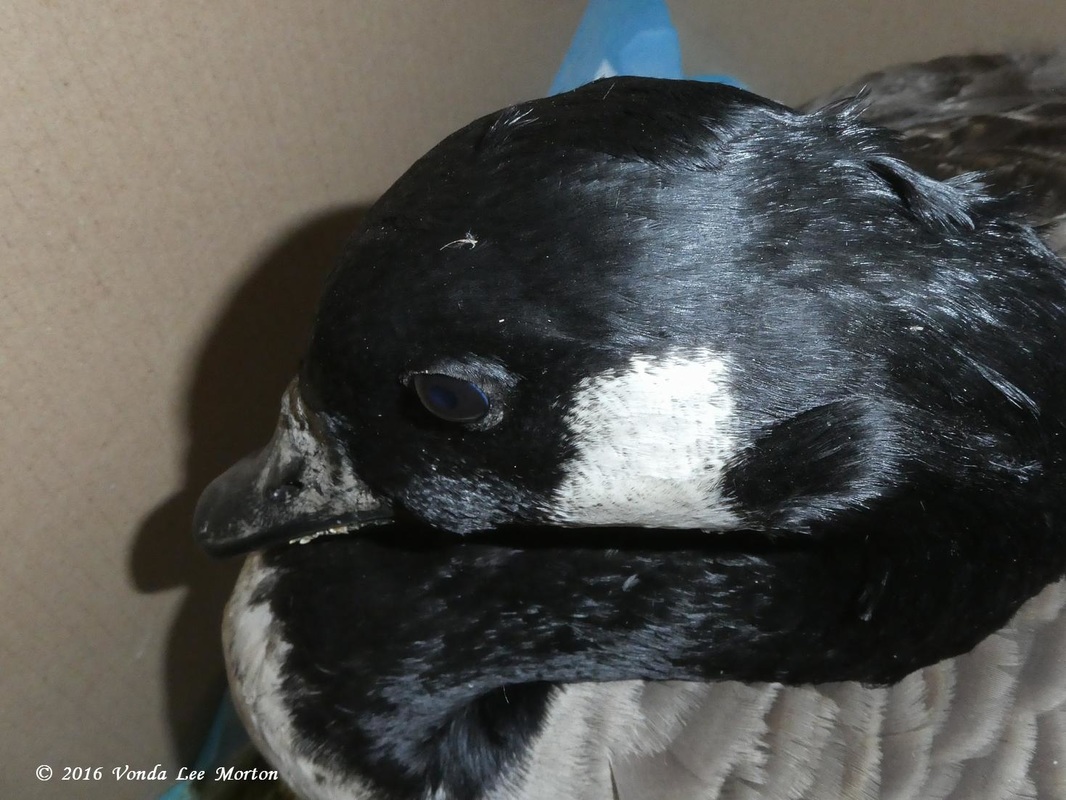
Sadly, it wasn’t all good news this week. This Canada goose was found in a yard wrapped in fishing line. The finder removed as much of the line as he could see and tried to release the goose, thinking maybe no serious damage was done, but when the goose beelined for the bushes and hid, he called LWR. Upon intake it was obvious there was some wing damage but it appeared to be mostly soft tissue. The bird was very lethargic, however, and showed none of the usual Canada goose aggression. Because he arrived too late for a vet visit that evening, the plan was to get the goose x-rayed the next day, but he died overnight. His rescuer said some of the line had been wrapped around the goose’s head and he wasn’t positive the goose hadn’t swallowed a hook. 
Picture
Picture
​People, if you can’t clean up your mess when you fish, stay away from our waterways—all of ‘em. When you leave fishing line, hooks and such littering the shore and/or water, waterfowl and turtles become victims of your sorry, lazy refusal to clean up after yourself.
 
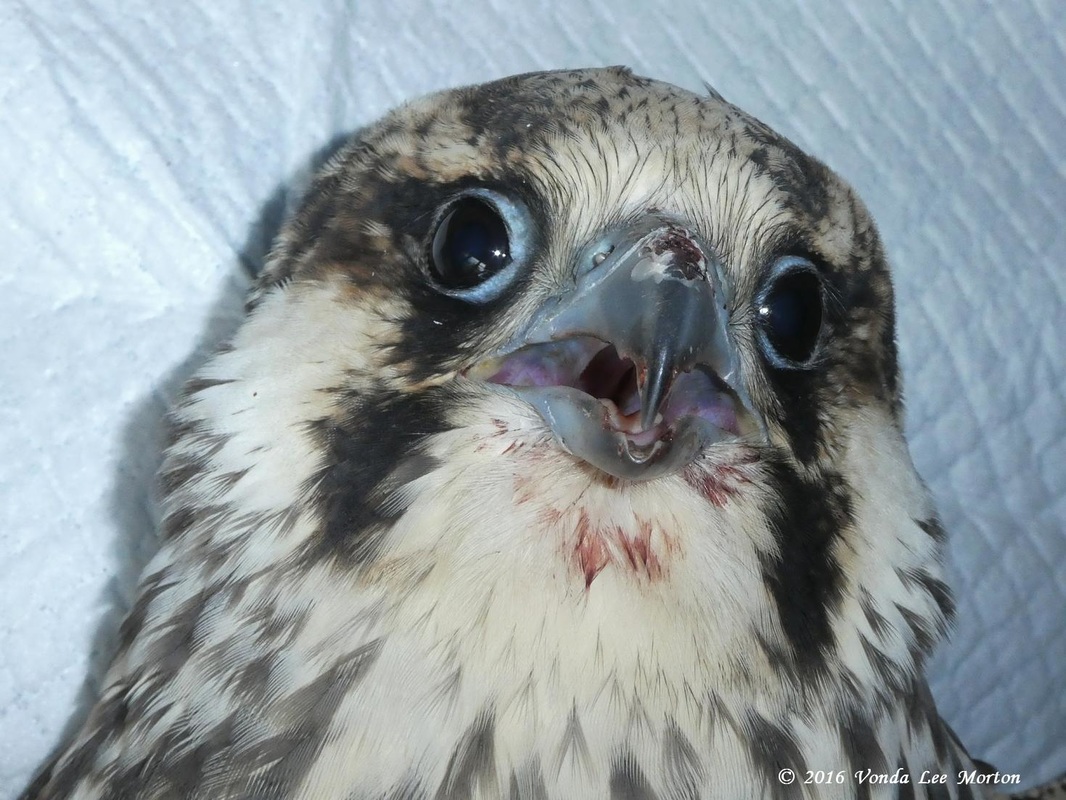
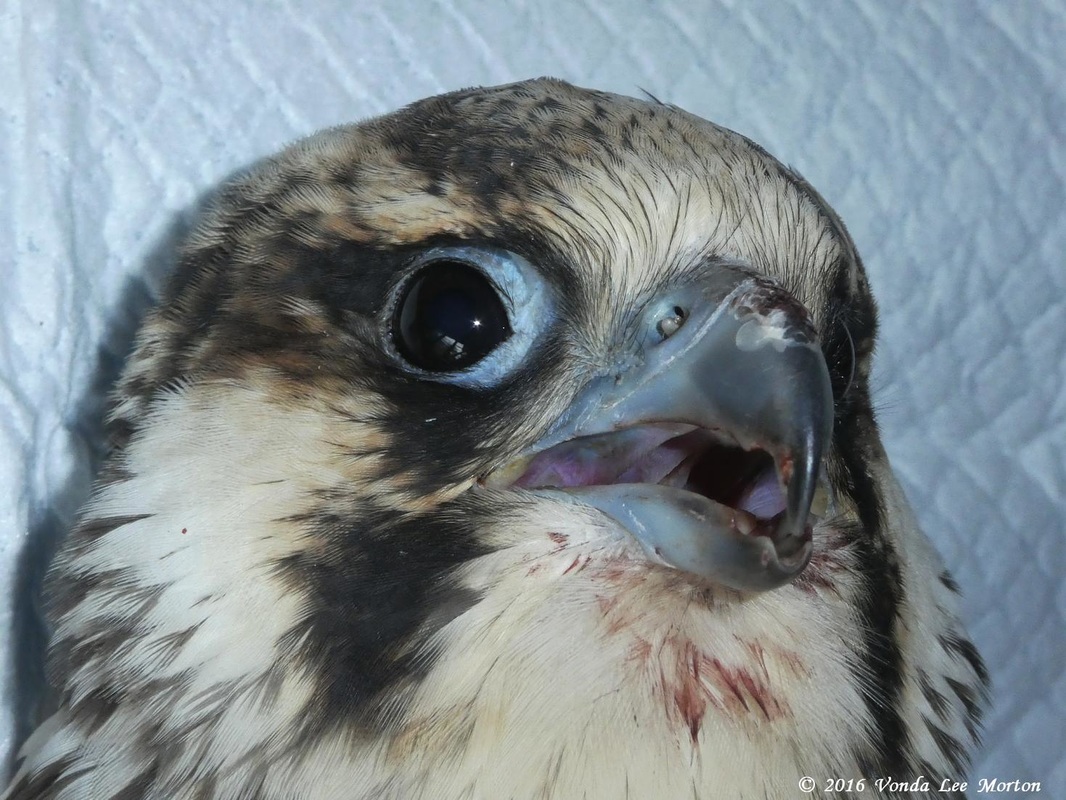
Yesterday a gorgeous peregrine falcon came in with a wing so trashed there was no option but euthanasia. LWR sees very few peregrines—or falcons of any kind, for that matter—so until I pulled him from the box for examination, I had high hopes we could save him. 
Picture
Picture
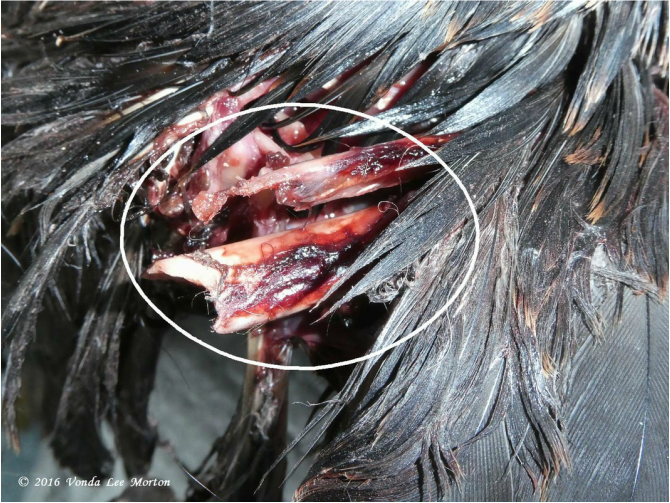
​Unfortunately, his right wing was beyond repair. Both the radius and ulna were broken and exposed, and the underside of the wing was nothing but raw flesh and exposed muscle. It looked to me like a barbed wire injury: he was in a stoop in hot pursuit of prey and hit the wire at just the right angle to ruin his wing but not get caught in the fence. The photos below were taken after euthanasia.
Picture
Picture
​And just today another barbed wire victim arrived—a barred owl. His finders cut him loose from the fence but in doing so exposed bone and muscle—not promising. Nothing appears to be broken but the large sections of skin missing on both sides of the wing will make healing difficult if not impossible. He’s slated for a vet visit tomorrow to see what we can do.
Picture
Picture
Picture
Picture
​Folks, if a bird or mammal is hung in a barbed wire fence, for God’s sake CUT THE FENCE and leave it to trained individuals to remove the wire from the bird or mammal. Your fence can be repaired; the wildlife may not be so lucky if you proceed to perform “surgery” in the field with non-sterile implements. Stop and think—and preferably call a rehabber—before acting!
 
And adding to the cuteness overload of one flying squirrel, FIVE—count ‘em, FIVE!!!—more of the little rascals came in last week. It’s a convoluted tale, but apparently a lineman from one of the local power companies was doing some maintenance and unwittingly destroyed the nest in the process. He cleverly used two old light covers to make a makeshift nest, gathered the babies, and headed for…the local shelter. Okay, not a bad idea, as they would call LWR. 
Picture
​But this was on a day they were closed, so he then took the flyers to…the area emergency air-evac service, who called LWR. Smartarse that I am, when the airlift guy who called explained the wherefores of them having the flyers, I blurted out, “So what were y’all supposed to do—airlift ‘em to a rehabber?”
 
Since flyers are such social little darlings, all six have settled in nicely together and are starting to nibble at solids now. I leave you with about all the cuteness you can handle for one day:
Picture
Picture
Picture
Picture
4 Comments

Warning: full-blown rants ahead

10/2/2016

8 Comments

 
​Okay, so let’s just start with the rants and get ‘em out of the way, ‘cause you KNOW when I’m in rant mode I’m gonna have my say. The only question is which soapbox to hop on first…
​
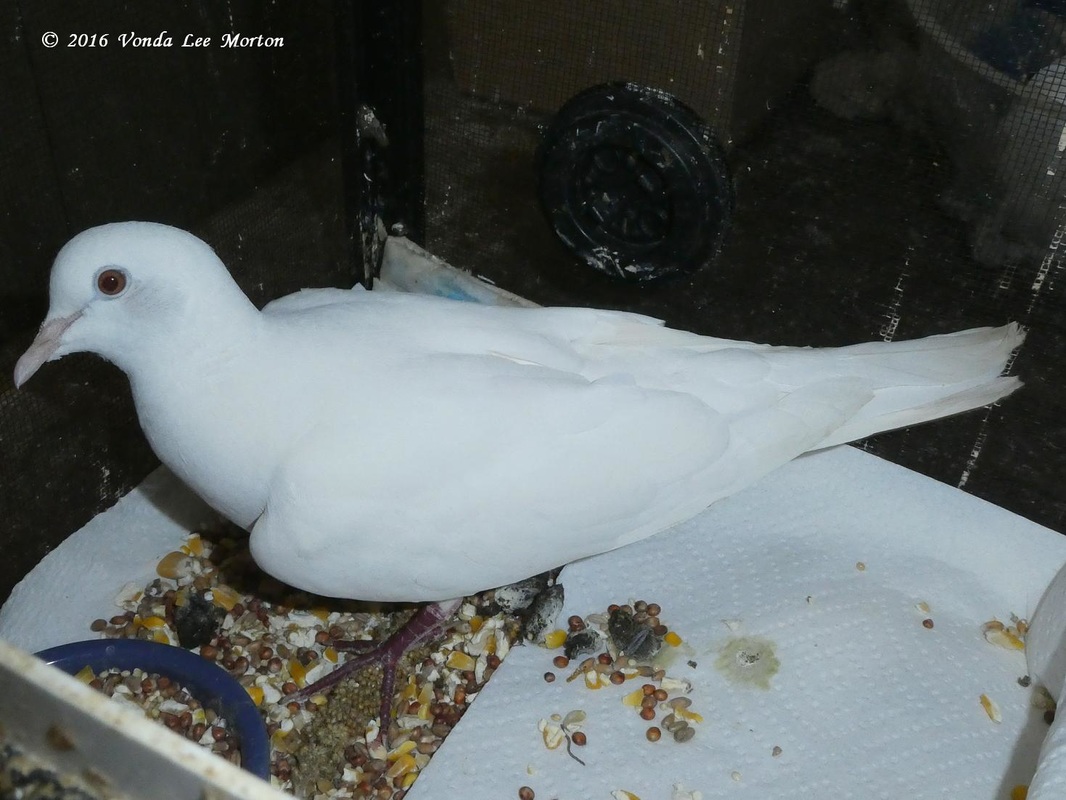
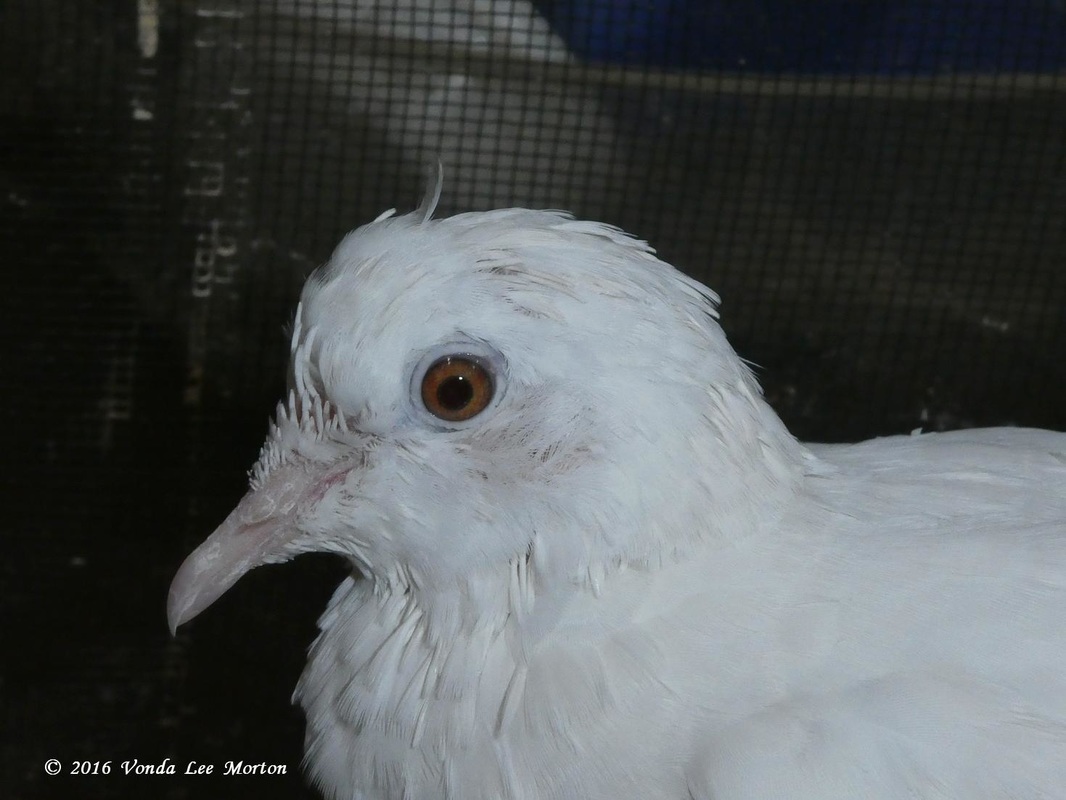
Let’s start with this lovely white dove. Isn’t she a beauty? 
Picture
Taken last month, when she first came in.
Picture
She's currently in a full molt, so she's a bit scruffy!
You know how she ended up at LWR? A nice couple found her after she’d been released at either a wedding or a funeral and left to her fate. Luckily for her, this couple searched until they found LWR. I don’t normally take in nonreleasable nonnative birds, but in her case I made an exception. How do I know she’s nonnative? Because it’s illegal to release native white doves into the wild like this, so unscrupulous, money-grubbing jackasses raise white African ring-necked doves—NOT the same as Eurasian collared doves that, while also nonnative, have become “naturalized” in the wild—and then they advertise that they provide them for release at weddings, funerals, and other commemorative events.
Folks, these doves are raised in captivity JUST to be released at such events. They have NO survival skills; they are NOT homing pigeons, so they’re not gonna fly back home after a release. You know what they ARE gonna do? Become hawk or owl food pretty damn quickly, as their white color might as well be a flashing neon “eat me” sign. That would be their kindest fate, actually, because the alternative is that they’ll starve to death because, having been raised in captivity, they have NO idea how to forage for food.
Y’all know how I feel about balloon releases for such events—they’re environmentally damaging and I cannot understand why anyone would want to begin their married lives or honor the memory of a deceased friend or loved one by causing wildlife deaths hundreds of miles away. Maybe because they don’t see the damage they cause, they can pretend it never happened. I can’t. And the same philosophy applies to releasing CAPTIVE-RAISED birds, totally unprepared for life in the wild—honestly, you wanna start your marriage or honor a deceased loved one or friend by killing an innocent, gentle dove? What kind of monster would do that?

While I’m generally against further government interference in our lives, this is one instance where I say if people are too damn stupid or uncaring to stop balloon releases and white dove releases on their own, we need local/state/national ordinances to put an end to these horrific practices.
​
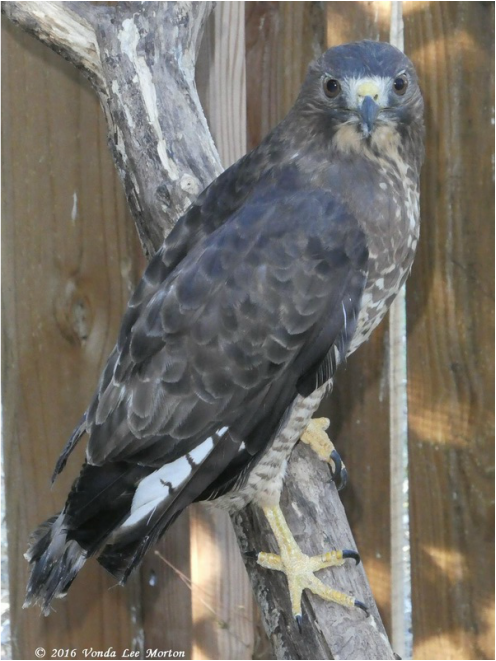
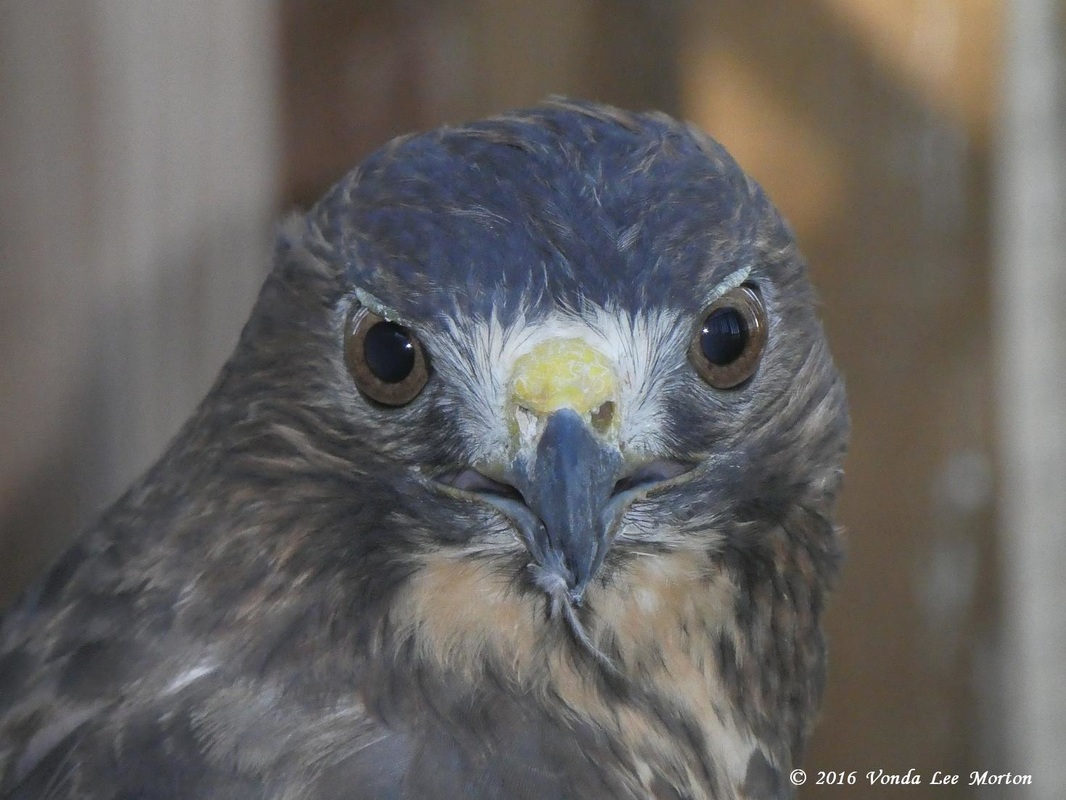
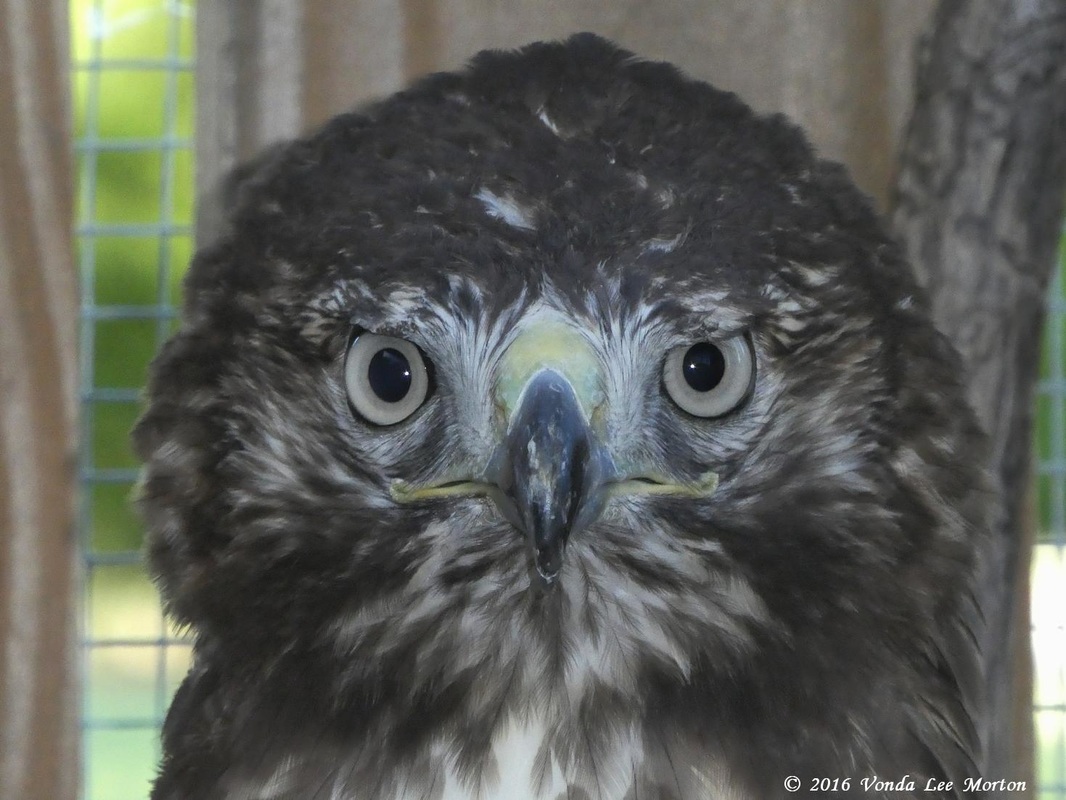
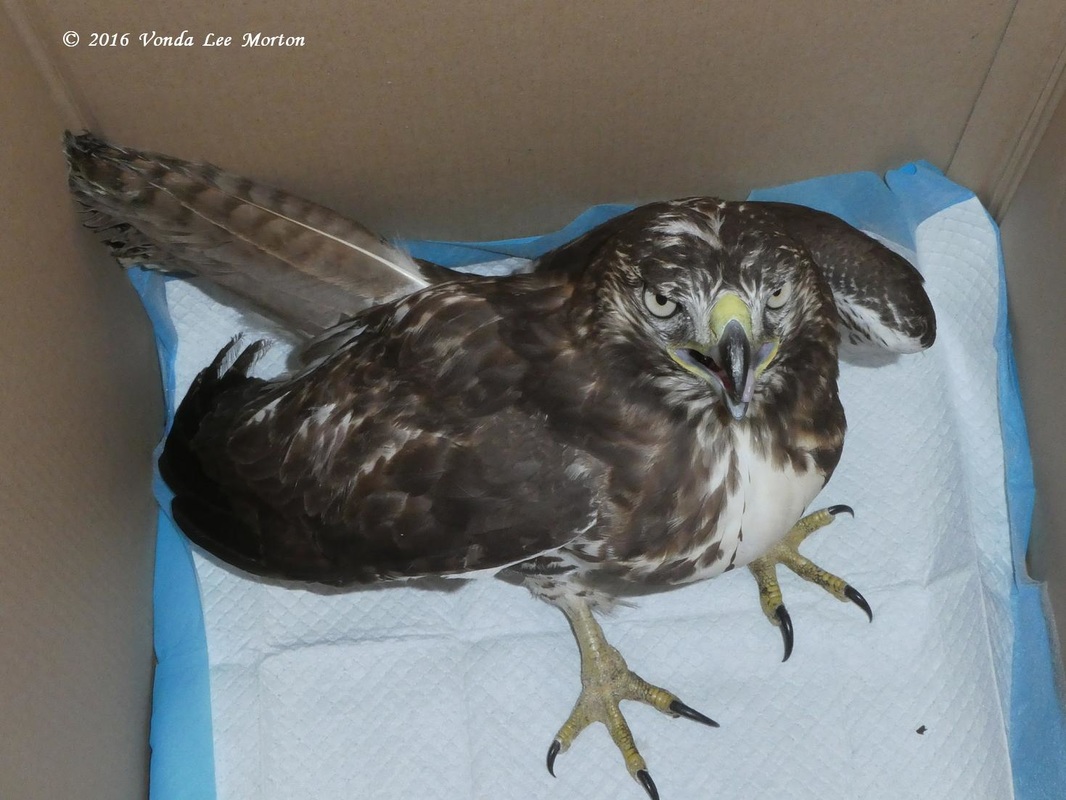
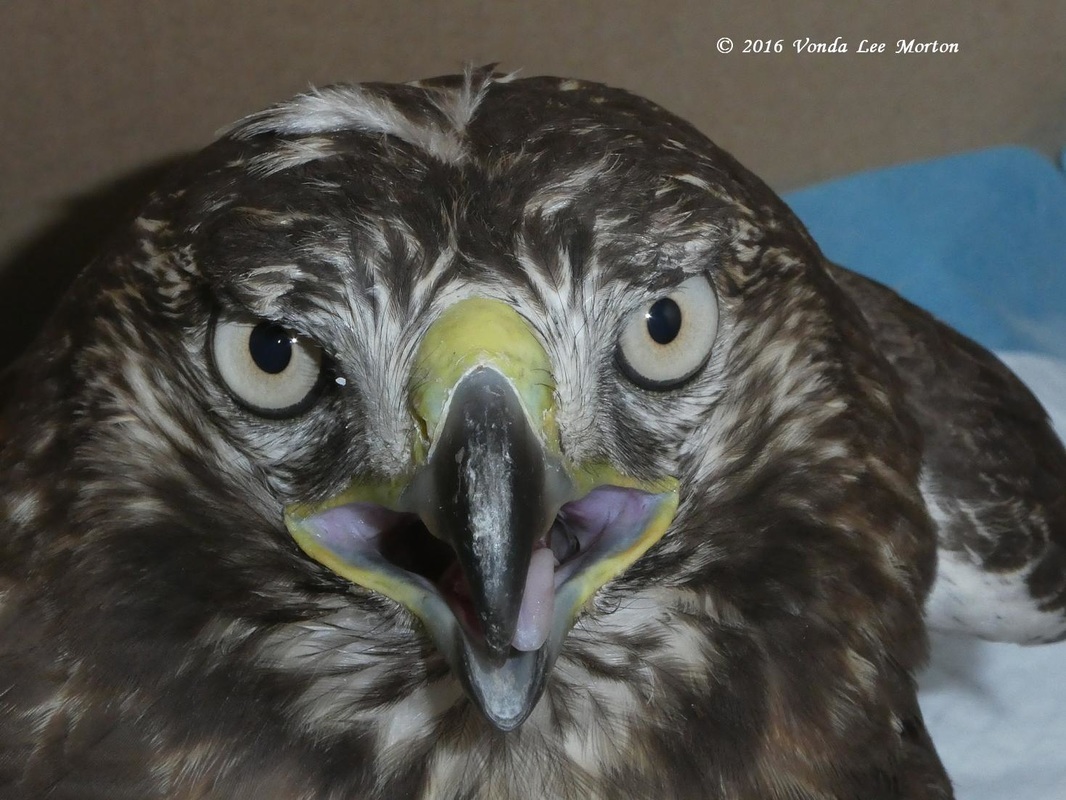
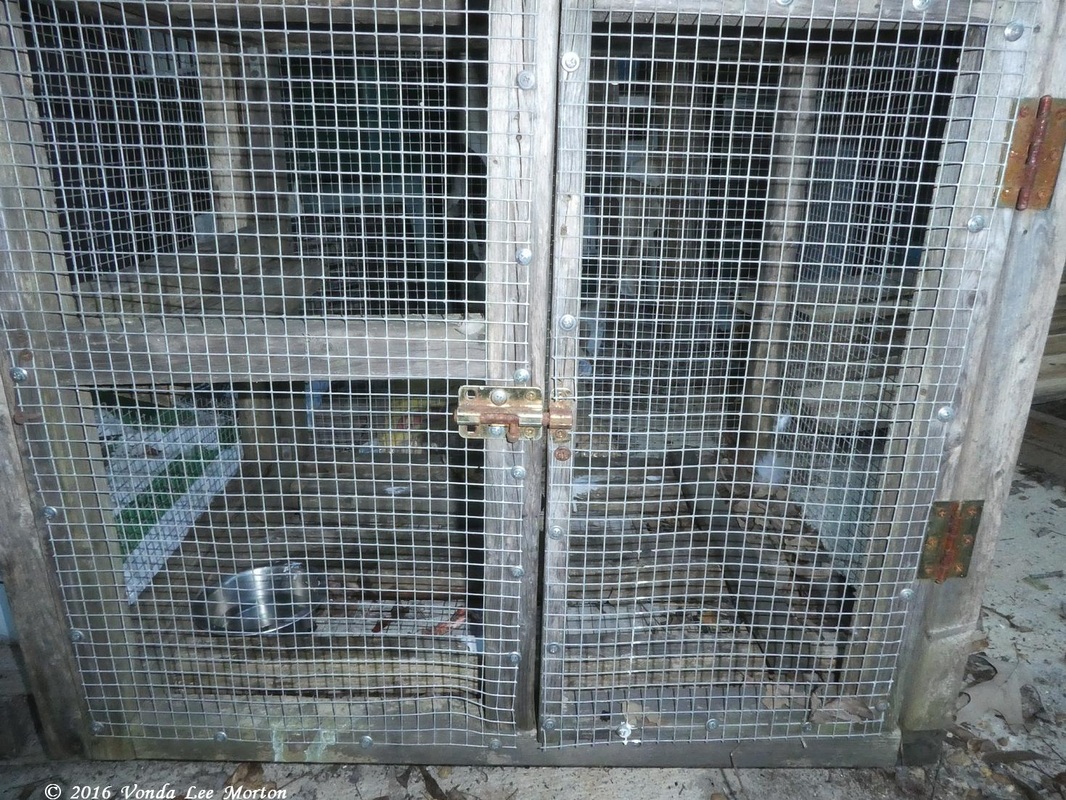
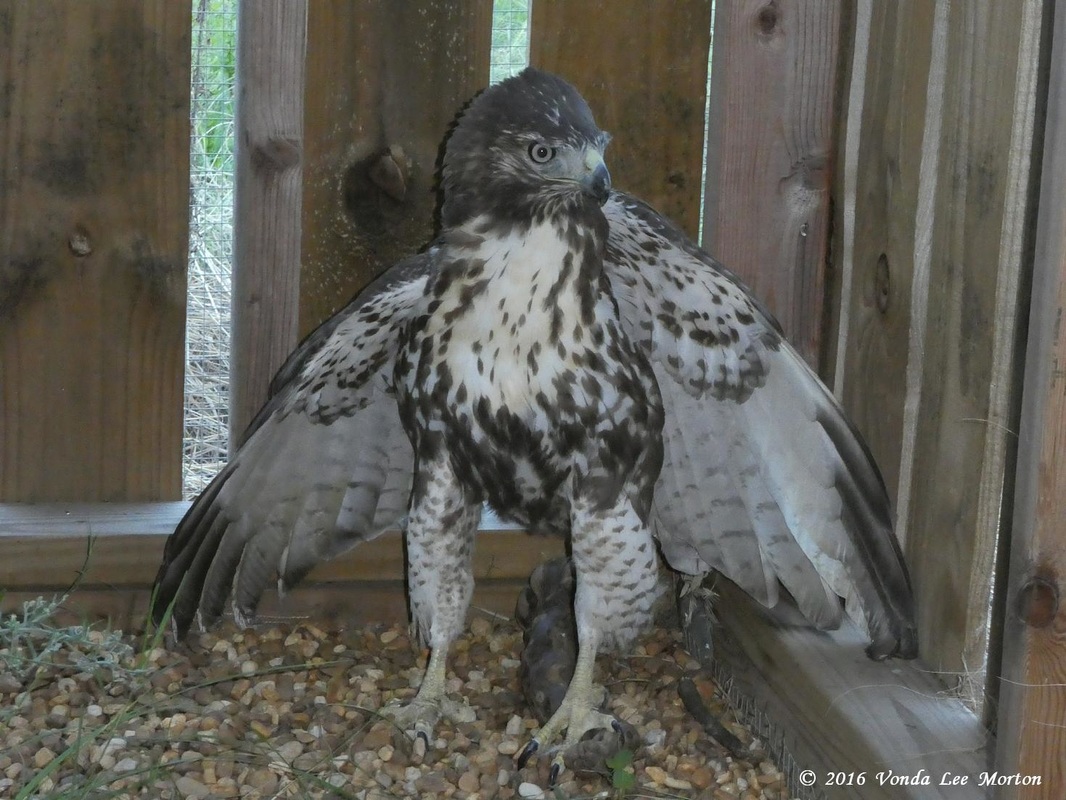
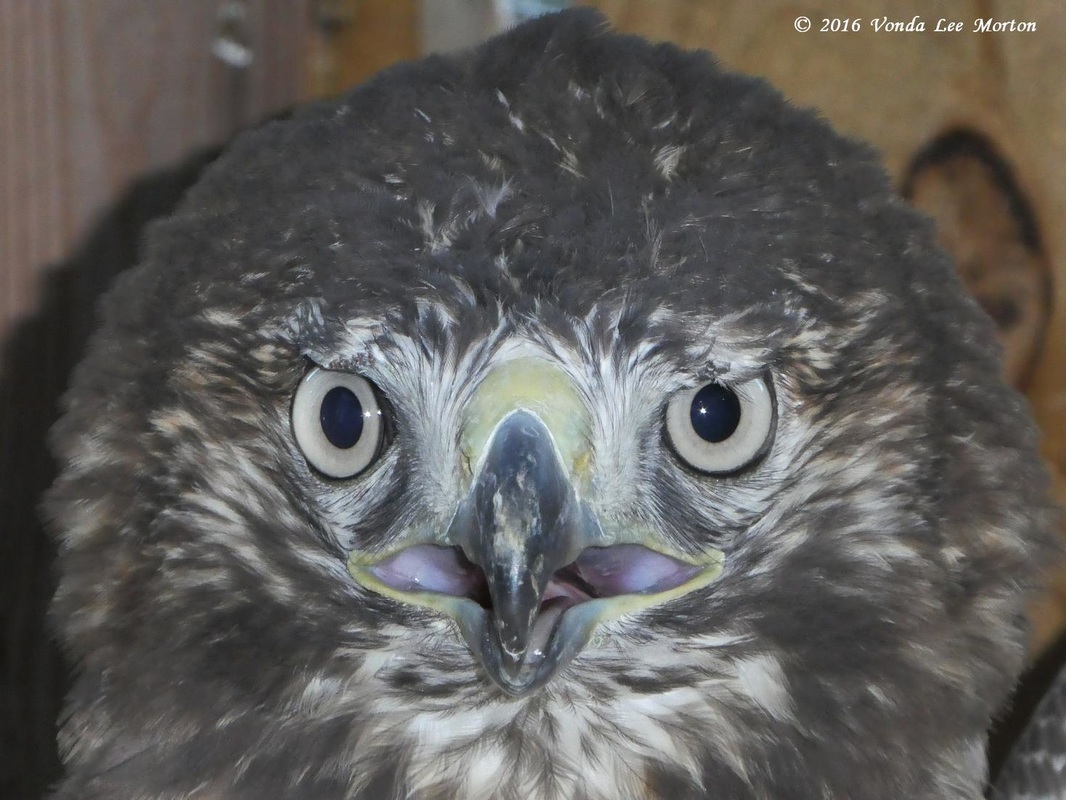
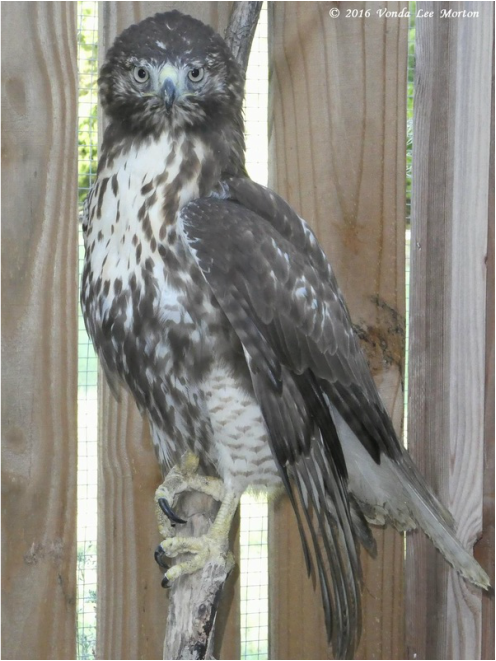
And then we have the ignoramuses who “rescue” birds from the road and then don’t seek help for them for days or weeks—until they get bored with them; the novelty wears off. Case in point: this gorgeous first-year red-tailed hawk who was held for FIVE DAYS in a disgustingly rusty, shabby homemade wire cage, until the cretin who found him tried to release him and—surprise, surprise—the bird couldn’t fly. THEN he dumped him at a dog rescue in a neighboring county, and thanks to a stalwart volunteer transporter, he made his way to LWR—in the rickety, rusty, sorry excuse for a cage he’d been in for FIVE DAYS.
Picture
Picture
Picture
Picture
You won’t convince me the man didn’t know what he’d done was illegal, as he made no attempt to contact a licensed rehabber, and I’m not thrilled that the dog rescue—who have the LWR contact information—didn’t just refer him directly to LWR.  I mean, does a red-tail LOOK like a damn dog???

His tail feathers are frayed on the ends; his wing feathers are just before being stripped on the ends, and he has a small puncture wound on his foot, probably from one of those rusty screws, that I’m treating in hopes of preventing bumblefoot. We’ll see. And yes, ALL the feather damage and the foot injury COULD have been avoided if he’d been brought to LWR to begin with, instead of dumped in an inappropriate cage and used for “show and tell” with the neighbors for five friggin’ days.

And finally—last rant of the day—just today LWR received a call from Canada. The caller had a common nighthawk she’d raised illegally and wanted information on how to release the bird; it seemed the wildlife rehabbers she talked with in Canada mentioned euthanasia. I have highly skilled colleagues at Swift Care Ontario, and nighthawks are among the birds they specialize in, so I gave her their contact information. She’d previously called them; they were the agency that mentioned euthanasia—and the more she told me, the more I agreed, without even seeing the bird—that they were probably right: the bird would require euthanasia.

Why? Lessee…raised illegally on a crap diet, so we more than likely have severe nutritional deficiencies. The caller said the bird would eat from her hand—which a properly raised nighthawk would NOT do—but made no mention that it could even fly.  It’s awfully late in migration, especially for birds flying south from Canada. Nighthawks—all aerial insectivores, really—don’t overwinter well and so the bird will likely die during the winter. And here’s the kicker—she hadn’t even TAKEN the bird to Swift Care Ontario so they could evaluate it and make the best decision for the bird.

I stressed that she needed to get the bird to them ASAP; she hedged. They have her contact information now, but I’m not hopeful they’ll ever see the bird. Instead, it will probably suffer a prolonged, agonizing death, either from nutritional deficiencies or from stress from an untrained individual attempting to overwinter it.

This is all down to EGO, pure and simple, people. I submit that if that caller truly cared about the fate of that nighthawk, she would have immediately sought a licensed rehabber when she found it—and you will NOT convince me that in all her Internet research she didn’t come across at least ONE site that mentioned it was illegal to possess wildlife without a permit. And rather than deal with licensed rehabbers in her own country, she reaches out to LWR, in the US? Yeah, she knew all along what she was doing was illegal; she just didn’t care because her ego was being fed by having the bird—and sadly, he will pay the price for her egotistical actions.

Folks, licensed rehabbers have widespread networks of colleagues. We talk. We exchange best practices, rants and general information—and yes, we give each other a heads-up when some oaf like this comes along, and we’re not above reporting people to state wildlife agencies outside our own state. I did earlier this year, when some fool in Nevada called me about waterfowl he had illegally and admitted to me he routinely took in wild birds without a permit. As soon as I hung up with him, I was on the phone with the Nevada game and fish people to report him. Keep those facts in mind if you’re ever tempted to keep wildlife illegally.
​
Now on to more pleasant topics: the screech is still reluctant to fly the coop, and we may have to do some encouraging here, as I now have three larger raptors who each need their turn in the raptor flight.
Picture
Picture
The Coop and the barred owl are awaiting their turn in the raptor flight, as is the red-tail from the rant above.
​
And ending with a dose of cuteness, we have the flyer, who’s still in the “eat and pass out” stage. Wouldn’t we all like to emulate him on that?
Picture
Picture
Picture
He passes out immediately after feeding!
8 Comments

    Archives

    April 2025
    March 2025
    February 2025
    January 2025
    December 2024
    November 2024
    October 2024
    September 2024
    August 2024
    July 2024
    June 2024
    May 2024
    April 2024
    March 2024
    February 2024
    January 2024
    December 2023
    November 2023
    October 2023
    September 2023
    August 2023
    July 2023
    June 2023
    May 2023
    April 2023
    March 2023
    February 2023
    January 2023
    December 2022
    November 2022
    October 2022
    September 2022
    August 2022
    July 2022
    June 2022
    May 2022
    April 2022
    March 2022
    February 2022
    January 2022
    December 2021
    November 2021
    October 2021
    September 2021
    August 2021
    July 2021
    June 2021
    May 2021
    April 2021
    March 2021
    February 2021
    January 2021
    December 2020
    November 2020
    October 2020
    September 2020
    August 2020
    July 2020
    June 2020
    May 2020
    April 2020
    March 2020
    February 2020
    January 2020
    December 2019
    November 2019
    October 2019
    September 2019
    August 2019
    July 2019
    June 2019
    May 2019
    April 2019
    March 2019
    February 2019
    January 2019
    December 2018
    November 2018
    October 2018
    September 2018
    August 2018
    July 2018
    June 2018
    May 2018
    April 2018
    March 2018
    February 2018
    January 2018
    December 2017
    November 2017
    October 2017
    September 2017
    August 2017
    July 2017
    June 2017
    May 2017
    April 2017
    March 2017
    February 2017
    January 2017
    December 2016
    November 2016
    October 2016
    September 2016
    August 2016
    July 2016
    June 2016
    May 2016
    April 2016
    March 2016
    February 2016
    January 2016
    December 2015
    November 2015
    October 2015
    September 2015
    August 2015
    July 2015
    June 2015
    May 2015
    April 2015
    March 2015
    February 2015
    January 2015
    December 2014
    November 2014
    October 2014
    September 2014
    August 2014
    July 2014
    June 2014
    May 2014
    April 2014
    March 2014
    February 2014
    January 2014
    December 2013
    November 2013
    October 2013
    September 2013
    August 2013
    July 2013
    June 2013
    May 2013
    April 2013
    March 2013
    February 2013
    January 2013
    December 2012
    November 2012
    October 2012
    September 2012
    August 2012
    July 2012
    June 2012
    May 2012
    April 2012
    March 2012
    February 2012
    January 2012
    December 2011
    November 2011
    October 2011
    September 2011
    August 2011
    July 2011
    June 2011
    May 2011
    April 2011
    March 2011
    February 2011
    January 2011
    December 2010
    November 2010
    October 2010
    September 2010
    August 2010
    July 2010
    June 2010
    May 2010
    April 2010
    March 2010
    February 2010
    January 2010
    December 2009
    November 2009
    October 2009
    September 2009
    August 2009
    July 2009
    June 2009
    May 2009
    April 2009
    March 2009
    February 2009
    January 2009
    December 2008
    November 2008
    October 2008
    September 2008
    August 2008
    July 2008
    June 2008
    May 2008
    April 2008

    Categories

    All
    Baby Birds
    Baby Deer
    Baby Opossums
    Baby Possums
    Baby Rabbits
    Bluegray Gnatcatchers
    Carolina Wren
    Common Loons
    Epd
    Fawns
    House Finch
    Mbta
    Migratory Bird Treaty Act
    Mockers
    Mockingbirds
    Orphaned Birds
    Orphaned Deer
    Orphaned Fawns
    Orphaned Opossums
    Orphaned Possums
    Orphaned Rabbits
    Orphaned Wildlife
    Squirrels
    Wildlife
    Wood Ducks

    RSS Feed

Powered by Create your own unique website with customizable templates.